
Mango Lassi
Thick yogurt blended with sweet Alphonso mangoes — cool, creamy and the perfect Indian...
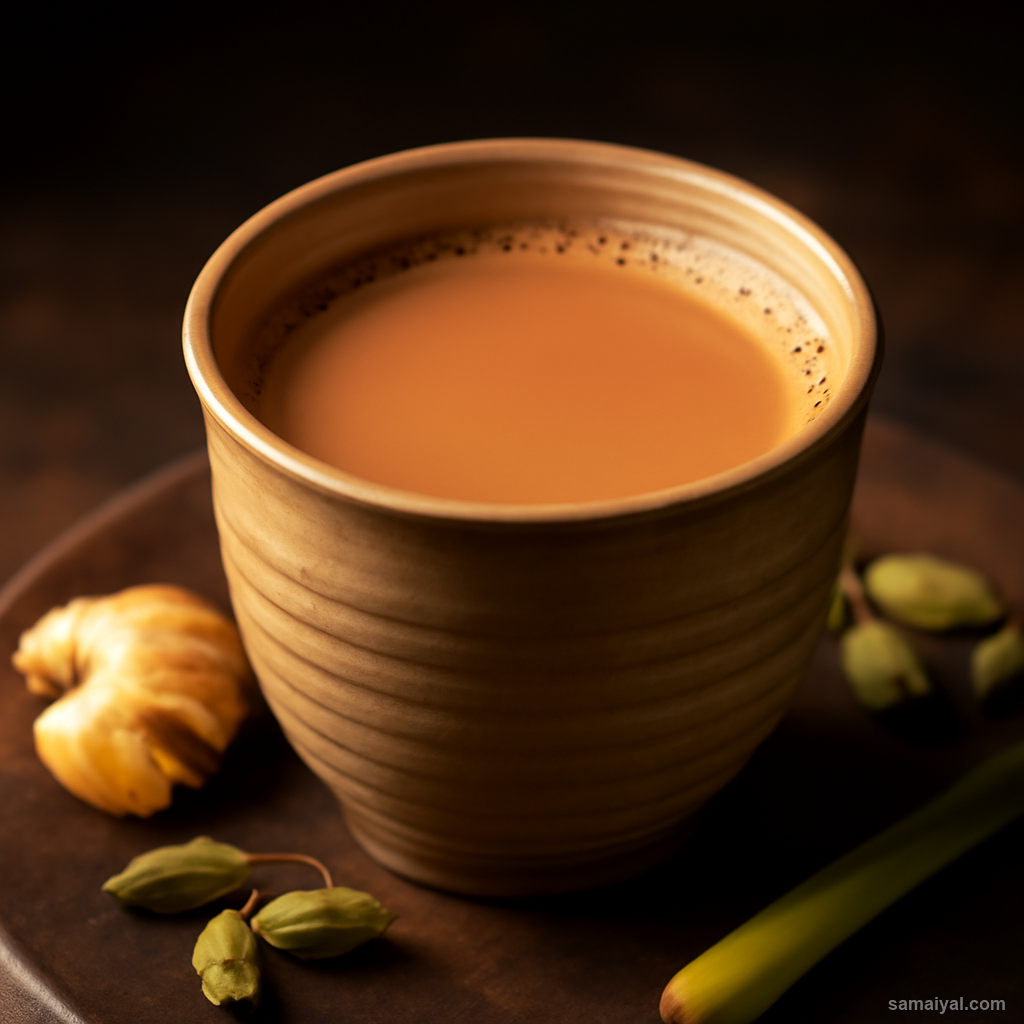
Strong black tea boiled with milk, sugar and a blend of ginger, cardamom and sometimes lemongrass — the daily tea of every Bengali household. The Kolkata version is thicker, sweeter and more milky than most other regional teas.
Crush the ginger: Place the fresh ginger on a cutting board. Using the flat side of a knife or a heavy spoon, crush the ginger firmly — it should flatten and split, releasing the juice. Crushing rather than grating releases the flavour into the tea differently — more complex and less sharp.
Crush the cardamom: Lightly crush the 4 green cardamom pods — just enough to split them open and expose the seeds inside. Do not remove the pods. The whole crushed pod releases both the pod and seed flavours.
Boil water with spices: Place a small pot on medium heat. Add 2 cups water, the crushed ginger, crushed cardamom pods and the lemongrass if using. Bring to a full boil.
Add tea leaves: Once the water is boiling, add 4 tsp of CTC black tea leaves. Stir once. The water will immediately turn deep amber-red.
Boil the tea actively: Let the tea boil vigorously on medium heat for 2 minutes. Bengali cha is boiled — not steeped — which gives it a stronger, more full-bodied flavour than simply steeping tea leaves in hot water.
Add milk: Pour in 2 cups full-fat milk. Stir to combine. The mixture will turn from dark red to a warm amber-brown as the milk mixes in.
Bring to a near-boil: Increase heat to medium-high. Watch the pot carefully — as the milky tea approaches a boil it will rise rapidly. Just before it boils over, reduce the heat.
Allow to rise and reduce twice: A traditional method for strong, creamy cha: allow the tea to rise to the rim of the pot twice, reducing the heat each time just before it overflows. This double-rising concentrates the flavour and gives the tea a thicker body.
Add sugar and strain: Add sugar. Stir until dissolved. Taste — adjust sugar. Pour the tea through a fine strainer into cups or a serving pot, pressing the ginger and cardamom pods against the strainer to extract all the liquid.
Serve immediately: Pour into small cups or glasses. Bengali cha is often served in small clay cups (kulhad) that add an earthy aroma, or in small glass tumblers. Serve with biscuits or any snack.
Note: Cha (tea) is the social lubricant of West Bengal — served at every meeting, at every office, at every shop and in every home. Kolkata has a unique tea culture — the adda (informal gathering for conversation) over cups of cha defines the social life of the city. The Kolkata cha-wallahs (tea vendors) who serve tea from small stalls along the streets are a distinct institution. The specific recipe varies — some add tulsi (holy basil), some add pepper, some add cloves — but ginger and cardamom are universal.
Thick yogurt blended with sweet Alphonso mangoes — cool, creamy and the perfect Indian...
 ⭐ Featured
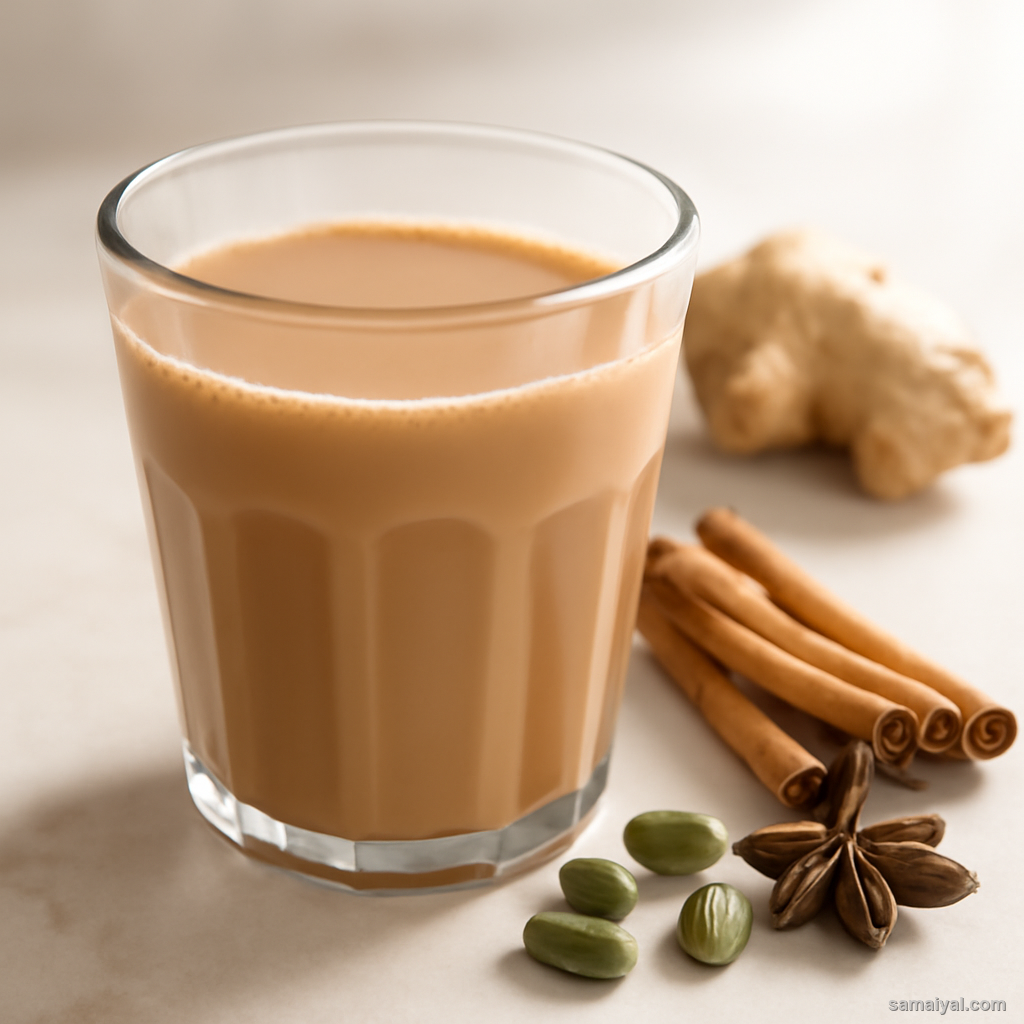
Spiced black tea with ginger, cardamom and cinnamon — India's universal warm embrace in a cup.

Chilled almond-spice-rose milk drink traditionally made for Holi — refreshing,...
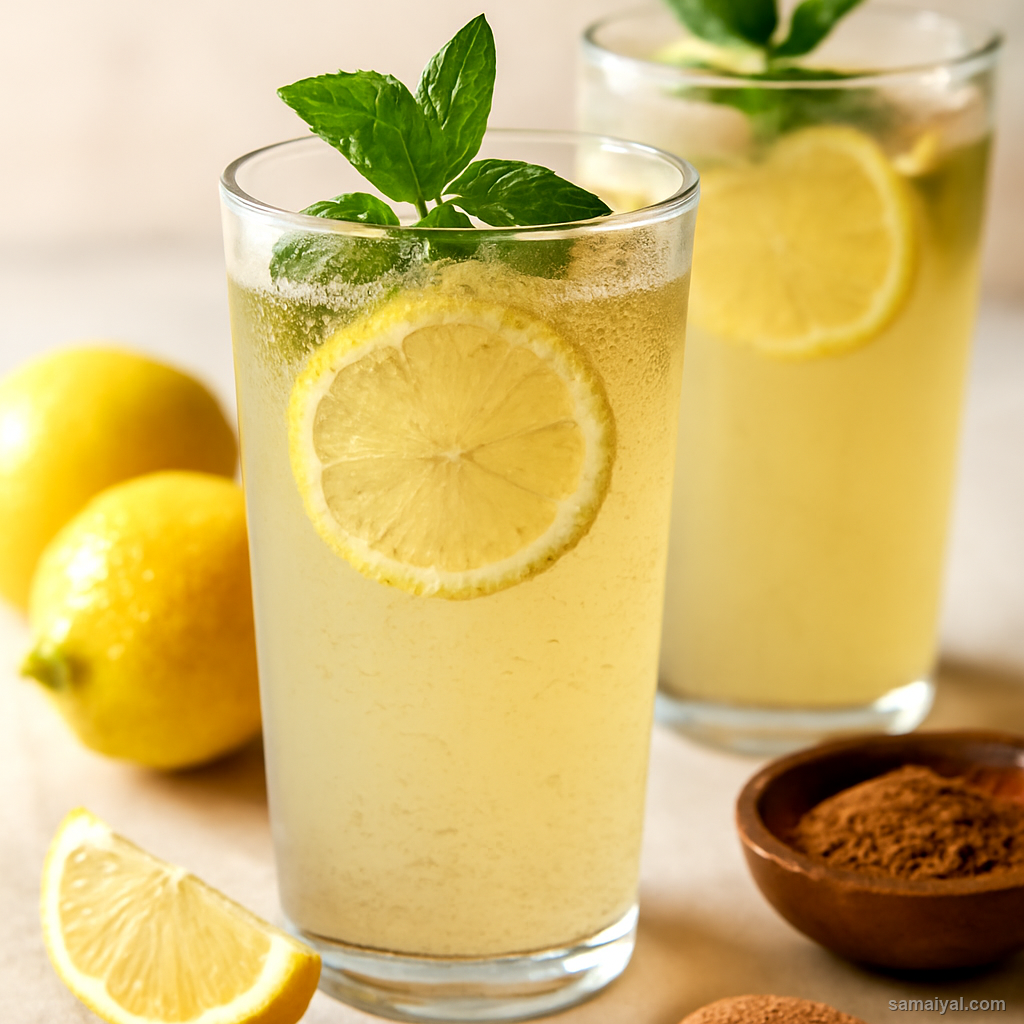
Indian spiced lemonade with roasted cumin and black salt — light, tangy and the best...
Comments & Tips
Be the first to share your experience with this recipe!
Leave a Comment