
Mango Lassi
Thick yogurt blended with sweet Alphonso mangoes — cool, creamy and the perfect Indian...
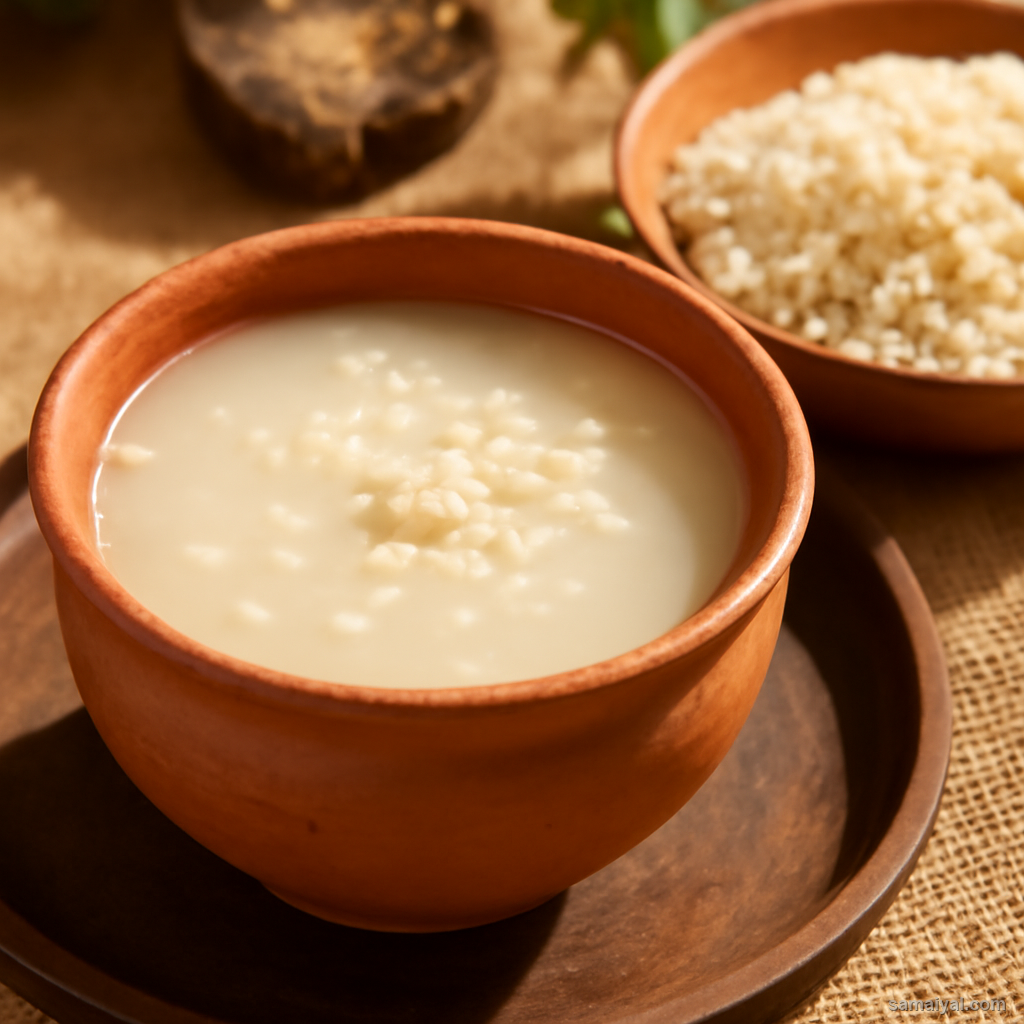
A mildly fermented, slightly sour and mildly alcoholic rice preparation made by the Santhali tribal communities of Jhargram and Purulia — the ceremonial and social drink of the Santhal people, made using a wild yeast cake called ranu. Served at weddings, festivals and community gatherings.
Cook and cool the rice: Cook parboiled rice until fully soft. Spread on a clean flat surface or tray. Fan and spread to cool completely to room temperature — even slightly warm rice kills the ranu culture.
Prepare the ranu: Crush the ranu cake to a fine powder if using the traditional variety.
Mix ranu into rice: Sprinkle the crushed ranu powder (or dry yeast) over the cooled cooked rice. Mix with clean, dry hands to distribute the yeast evenly through the grains.
Transfer to the clay pot: Place the yeast-inoculated rice in a clean clay pot. Add 4 cups water. Stir once.
Cover and ferment: Cover the pot with a cloth. Place in a warm location. Ferment for 3 to 5 days — checking daily.
Day 2 to 3: The mixture will begin to bubble gently and smell pleasantly sour and faintly alcoholic. This is the fermentation working.
Strain on day 3 to 5: Once the fermentation is active (bubbling slowly) and the liquid smells pleasantly sour-sweet, strain through a fine cloth, squeezing the rice to extract all liquid.
Taste: The handia should be milky-white, slightly thick, pleasantly sour, mildly sweet and carry a gentle warmth from the minimal alcohol content.
Serve: Serve at room temperature in clay cups or earthen bowls. Traditional Santhali serving is in sal leaf cups.
Consume within 24 hours of straining: Handia continues to ferment after straining and becomes more sour and alcoholic with time.
Note: Handia is the ceremonial and social drink of the Santhali people — the largest tribal community in India, with large populations in Jhargram, Purulia and Bankura districts of West Bengal as well as in Jharkhand, Odisha and Assam. Handia is drunk at harvest festivals (Sohrai), at wedding ceremonies, at community dispute resolutions and at the Karma festival (the festival of trees). The ranu cake — made from specific forest herbs dried with wild yeast — gives handia a flavour that cannot be replicated with commercial yeast. This entry documents the preparation as a cultural food practice.
Thick yogurt blended with sweet Alphonso mangoes — cool, creamy and the perfect Indian...
 ⭐ Featured
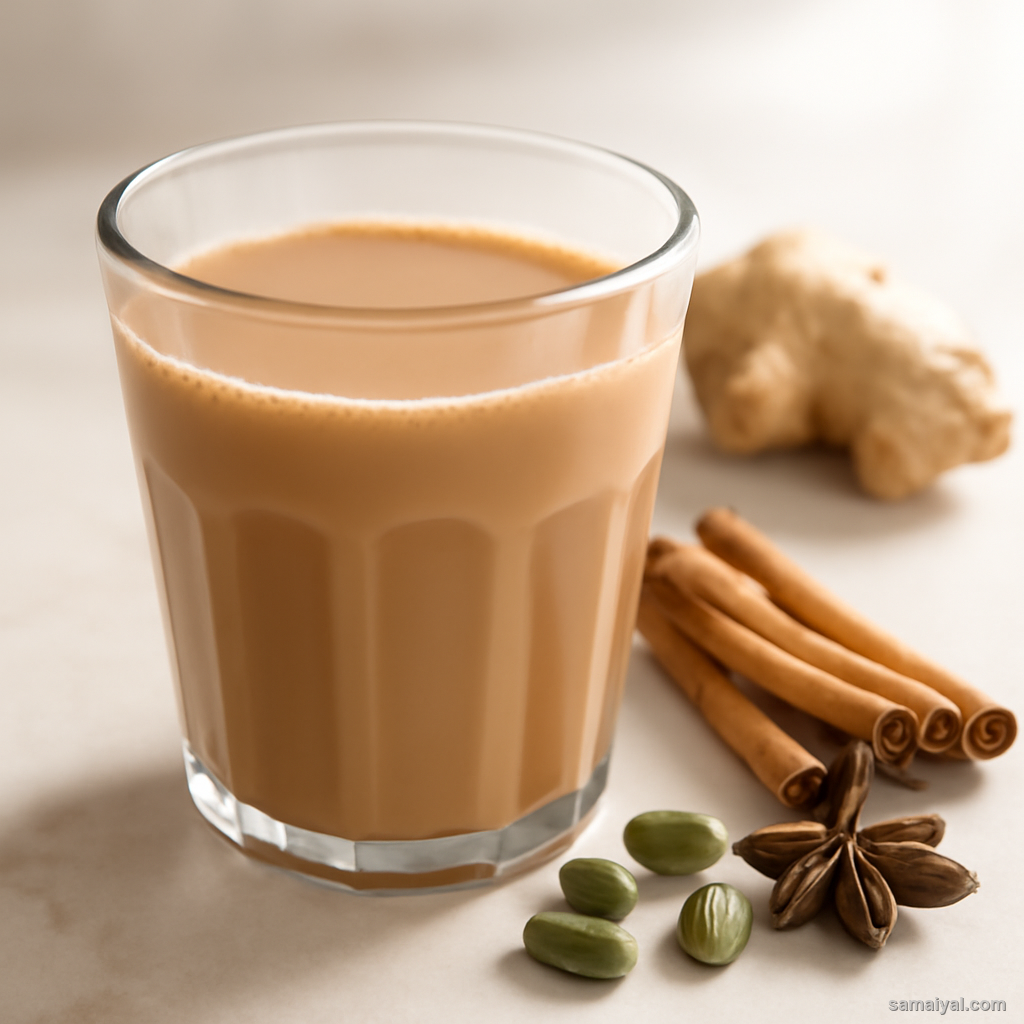
Spiced black tea with ginger, cardamom and cinnamon — India's universal warm embrace in a cup.

Chilled almond-spice-rose milk drink traditionally made for Holi — refreshing,...
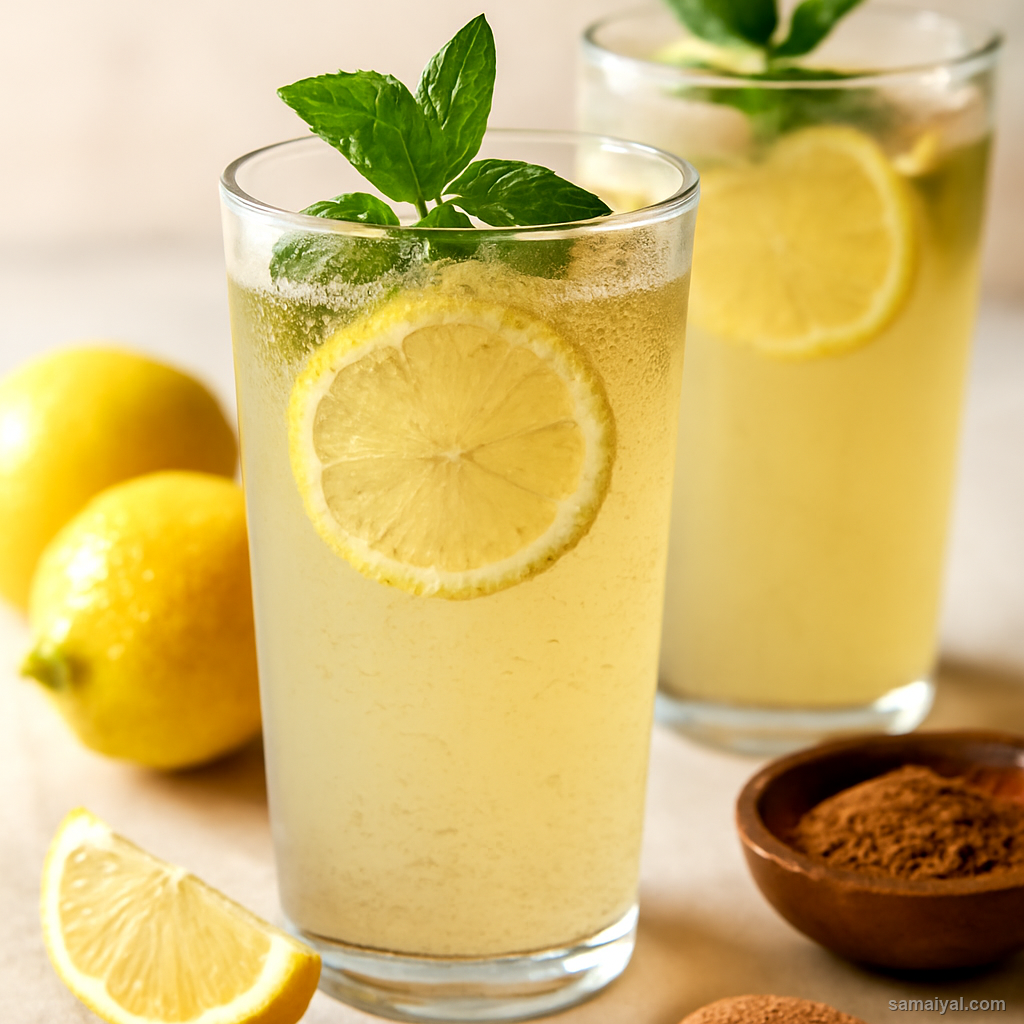
Indian spiced lemonade with roasted cumin and black salt — light, tangy and the best...
Comments & Tips
Be the first to share your experience with this recipe!
Leave a Comment