
Mango Lassi
Thick yogurt blended with sweet Alphonso mangoes — cool, creamy and the perfect Indian...
A mildly fermented, lightly alcoholic beverage made from cooked rice and herbal fermentation cake (ranu) — the traditional ceremonial drink of the tribal communities of Jharkhand, prepared for festivals, weddings and community gatherings.
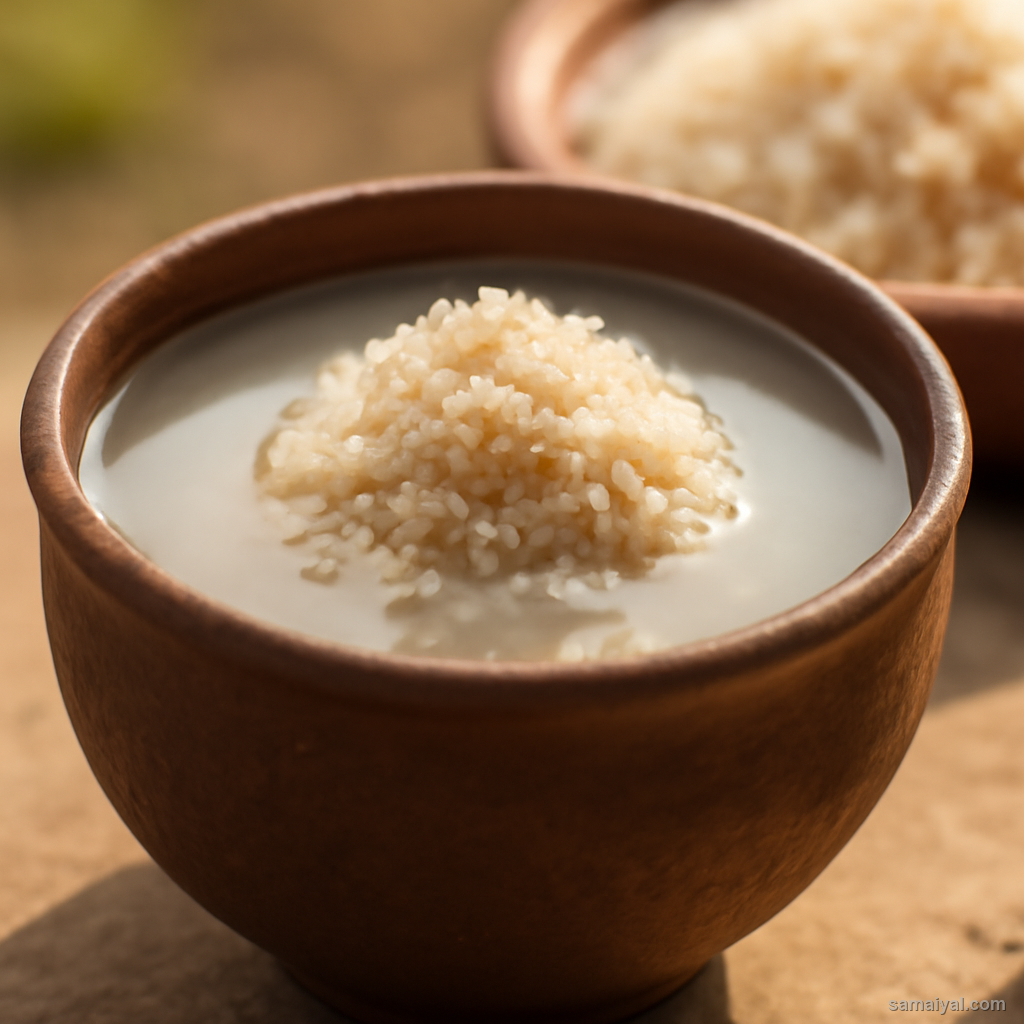
Cook the rice: Wash 2 cups rice thoroughly. Cook with 4 cups water until fully done — the rice should be soft but the grains should not be overcooked into mush. Individual grains should still be distinguishable. Spread the cooked rice on a clean flat surface and let it cool completely to room temperature. This cooling is critical — adding the fermentation agent to hot rice kills it.
Add the ranu: If using ranu (the herbal fermentation cake), crumble it into a fine powder. Sprinkle the powdered ranu over the completely cooled cooked rice. If using dry yeast as an approximation, dissolve 1 tsp in 2 tbsp warm water, cool to room temperature, then sprinkle over the rice.
Mix thoroughly: Mix the ranu or yeast through the cooled rice very gently with clean hands — every grain should be coated with the fermentation agent.
Transfer to an earthen pot: Place the rice mixture in a clean earthen pot (matka). An earthen pot is preferred — the clay is porous and allows the right amount of air exchange for optimal fermentation. A glass jar works as an alternative.
Add water: Pour 4 to 6 cups of clean cold water over the rice in the pot. The rice should be fully submerged. The amount of water determines the final strength — more water produces a lighter, less alcoholic handia.
Seal the pot: Cover the pot loosely with a clean cloth tied with a string — not airtight. The fermentation needs to breathe but be protected from insects.
Ferment for 3 to 5 days: Leave at room temperature for 3 to 5 days. In summer, 3 days is sufficient. In winter, 5 days may be needed. The liquid will become cloudy, slightly fizzy and smell pleasantly sour and yeasty.
Check the fermentation: After 3 days, taste a small amount. A correctly fermented handia is pleasantly sour, slightly sweet, mildly alcoholic and somewhat cloudy. It should not smell sharp or vinegary — that indicates over-fermentation.
Strain: When ready, pour the liquid through a clean cloth strainer. The strained liquid is the handia. The rice solids are discarded or fed to animals.
Serve: Pour into clay cups or small glasses and serve at room temperature. Handia is best consumed within 2 days of straining as it continues to ferment and becomes sharper.
Note: Handia is the traditional ceremonial rice beer of the tribal communities of Jharkhand — made and consumed by the Santhal, Munda, Ho, Oraon and other indigenous communities. It holds deep cultural and spiritual significance — it is offered to deities at festivals, used in rituals and shared at community gatherings. The ranu (fermentation cake) recipe is a closely guarded family or community secret, with each family having its own blend of local herbs. Handia is distinct from commercial beer in being entirely natural, unfiltered and consumed fresh.
Thick yogurt blended with sweet Alphonso mangoes — cool, creamy and the perfect Indian...
 ⭐ Featured
Spiced black tea with ginger, cardamom and cinnamon — India's universal warm embrace in a cup.

Chilled almond-spice-rose milk drink traditionally made for Holi — refreshing,...
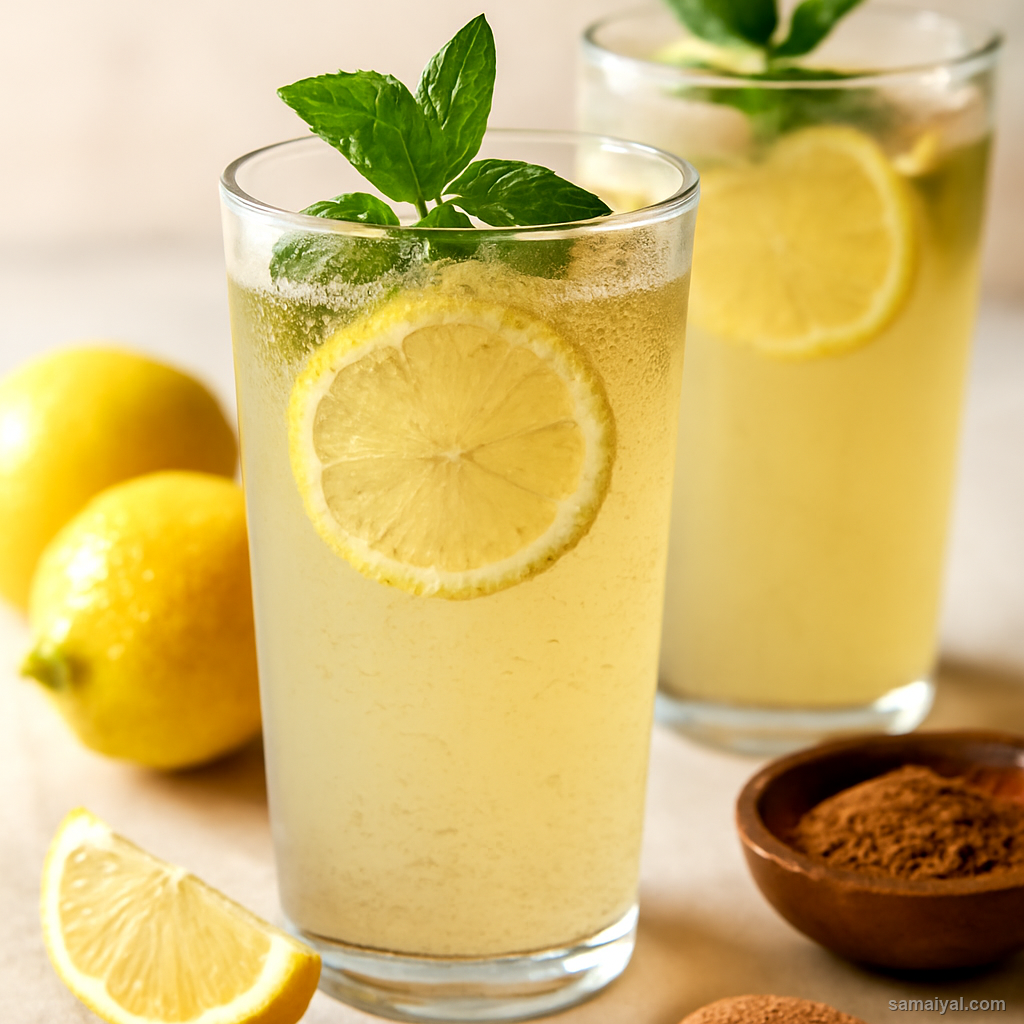
Indian spiced lemonade with roasted cumin and black salt — light, tangy and the best...
Comments & Tips
Be the first to share your experience with this recipe!
Leave a Comment