
Mango Lassi
Thick yogurt blended with sweet Alphonso mangoes — cool, creamy and the perfect Indian...
Warming spiced herbal infusion with fresh ginger and turmeric — the daily immunity tonic of mountain communities

About Ginger-Turmeric Tea: This warming herbal infusion is drunk daily in Arunachali mountain homes — a natural remedy for colds, an immunity tonic, and a comforting drink in cold weather. It uses no tea leaves, only fresh ginger, turmeric and warming spices. The recipe is built up by generations of mountain communities for whom these roots are seasonal medicine and daily food.
Understand the ingredients: Fresh ginger has a hot, pungent quality that opens the sinuses. Fresh turmeric (the orange root, not the yellow powder) is anti-inflammatory and has a more gentle earthy flavour than the powder. Black peppercorns are essential — black pepper helps your body absorb the curcumin in turmeric many times more effectively.
Prep fresh ginger: Take a 2-inch piece of fresh ginger. Wash well — no need to peel if it is young and the skin is thin. Slice into thin coins about 2mm thick — thin slices release more flavour. If you only have older fibrous ginger, peel it first.
Prep fresh turmeric: Take a 1-inch piece of fresh turmeric. Wash well. Wear gloves if you can — turmeric stains hands and surfaces a strong yellow. Slice thin like the ginger. If fresh turmeric is unavailable, use 1/2 tsp turmeric powder added later in step 7.
Prep peppercorns and cinnamon: Take 2 black peppercorns and lightly crush in a mortar — crushing releases the essential oils. Take a small piece of cinnamon stick (about 1cm) or a generous pinch of ground cinnamon.
Boil water: Pour 4 cups of fresh cold water into a small saucepan. Use filtered water if you have hard tap water — clean water makes a clearer brighter tea. Bring to a rolling boil over high heat.
Add the aromatics: Once the water is boiling, add the sliced ginger, sliced turmeric (or turmeric powder), crushed peppercorns and cinnamon. The water will turn a beautiful golden-orange colour within 30 seconds.
Reduce and simmer: Reduce heat to low. Simmer gently — small bubbles, not a rolling boil — for 8 to 10 minutes. The longer it simmers the stronger and more medicinal the tea becomes. For a milder tea simmer 5 minutes; for a deeply medicinal one simmer 12 minutes.
Optional additions: At this stage, mountain households sometimes add other warming touches — a pinch of cardamom powder, 2 cloves, a slice of fresh lemon peel, or a bruised stalk of lemongrass. Keep it simple if you are new to the recipe.
Strain: Place a fine mesh strainer over your serving cups. Strain the hot tea through into the cups, pressing down on the ginger and turmeric to extract every last drop of flavour.
Sweeten: Add 1 tsp jaggery (gud) or 1 tsp raw honey per cup. Important note: if using honey, wait 1 minute for the tea to cool slightly before adding — boiling-hot honey loses its medicinal properties and can become slightly toxic according to traditional medicine.
Finishing touch: Squeeze in a few drops of fresh lemon juice (optional but excellent) — the vitamin C amplifies the immunity-boosting effect and adds brightness.
Serve and drink: Drink hot, in small sips, holding the cup with both hands so the warmth radiates into your palms. Best enjoyed first thing in the morning on an empty stomach, after a heavy meal as a digestive, or at the first sign of a cold or sore throat.
Traditional tip: In Arunachali homes, this tea is often the first thing drunk before sunrise. The leftover roots are not discarded — they can be re-boiled with fresh water for a milder second cup.
Storage: Best made fresh. If you must store, refrigerate strained tea up to 24 hours and reheat gently — do not boil again. The flavour fades after a day.
Thick yogurt blended with sweet Alphonso mangoes — cool, creamy and the perfect Indian...
 ⭐ Featured
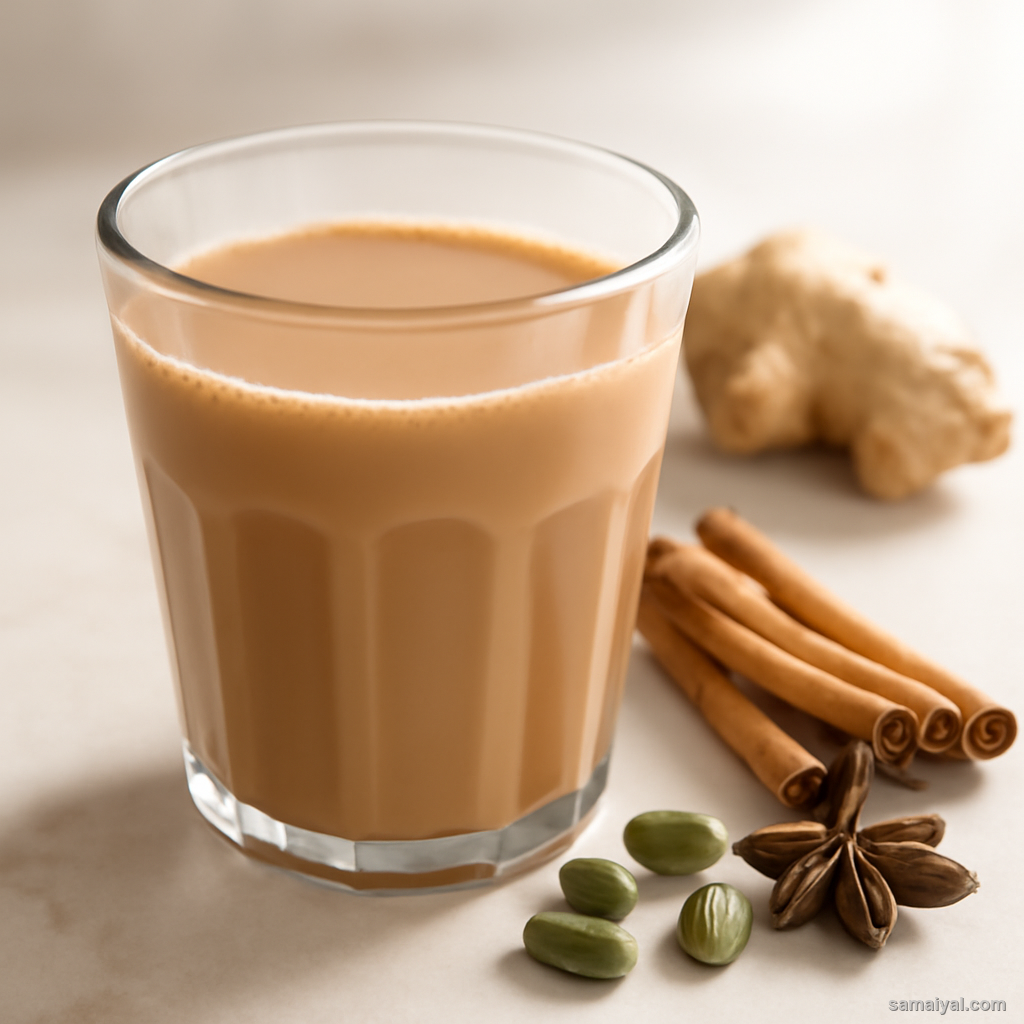
Spiced black tea with ginger, cardamom and cinnamon — India's universal warm embrace in a cup.

Chilled almond-spice-rose milk drink traditionally made for Holi — refreshing,...
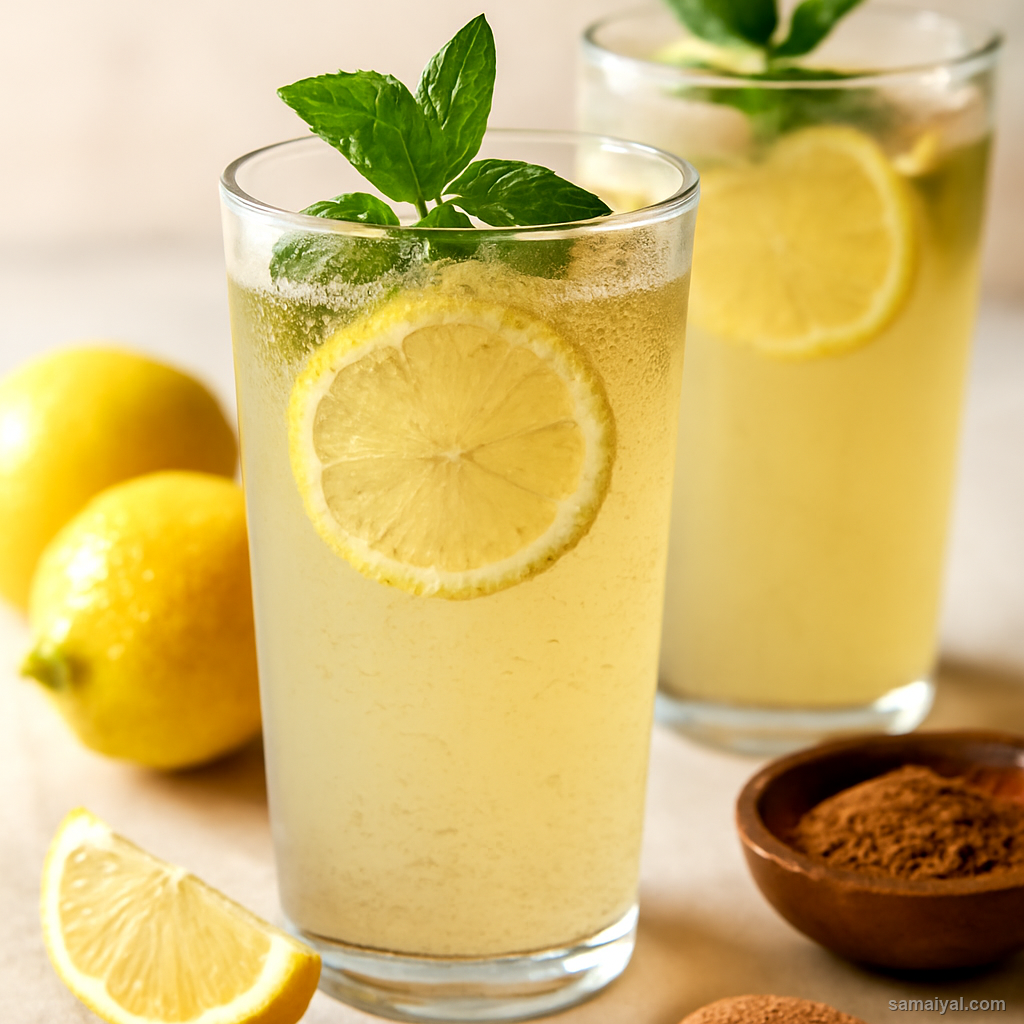
Indian spiced lemonade with roasted cumin and black salt — light, tangy and the best...
Comments & Tips
Be the first to share your experience with this recipe!
Leave a Comment