
Mango Lassi
Thick yogurt blended with sweet Alphonso mangoes — cool, creamy and the perfect Indian...
Traditional fermented rice beer of the Adi tribe — mildly alcoholic, earthy and culturally sacred

About Apong Rice Beer: Apong is the traditional rice beer of the Adi and Garo tribes — offered to guests as the highest mark of respect and used in all community rituals. In Adi, Galo, and Apatani villages, apong is far more than a beverage — it is a cultural foundation. Shared at births, weddings, harvest festivals, religious ceremonies, and as the welcome drink for any visitor of consequence.
IMPORTANT alcohol notice: This recipe produces an alcoholic beverage (typically 5-10% ABV depending on fermentation duration). Not suitable for those who abstain from alcohol, those underage, pregnant women, or anyone with alcohol sensitivity. IMPORTANT legal context: Home brewing is regulated differently across jurisdictions — verify your local laws before attempting this recipe. Provided here for cultural and educational understanding of an important Arunachali tradition.
Gather ingredients: 2 kg glutinous rice (high amylopectin starch is essential — provides the right substrate for fermentation; regular short-grain rice produces acceptable apong with different character; long-grain rice does not work), 100g ipoh (traditional yeast cake also called khekhrii — made from rice flour mixed with specific dried herbs and previous yeast cultures; available at Northeast Indian groceries serving Arunachali, Manipuri, or Assamese communities; substitute with commercial brewer's yeast/about 7g or sake yeast — lacks traditional complex character), 4-5 fresh banana leaves for lining, large clean earthenware (clay) pot or food-grade plastic container with loose-fitting lid.
Wash and soak the rice: Wash glutinous rice thoroughly in 4-5 changes of cold water until water is mostly clear. Cover with plenty of cold water (5cm above rice level). Soak overnight (8-12 hours). Drain in a sieve and let drip dry 15 minutes.
Steam the rice: Set up a bamboo steamer or any standard steamer. Line with muslin cloth. Place the bottom pan with water over high heat. Bring to a rolling boil — visible turbulent boiling is essential. Once boiling, place the rice in the lined steamer. Steam 30 minutes. After 30 minutes, the rice should be fully cooked through — translucent, sticky, soft when pressed.
The critical complete cooling: Spread the cooked rice on a wide clean tray to cool to room temperature — about 30-45 minutes. Hot rice will kill the fermentation yeast on contact. The rice MUST be at room temperature (about 25-28°C, body temperature warm) before adding yeast. Test with your hand — should feel cool but not cold.
Prepare the ipoh and mix: Crumble the ipoh cake very finely with your hands. Aim for fine particles — smaller particles distribute more evenly and ferment more reliably. Sprinkle the crumbled ipoh evenly over the cooled rice. Use clean hands (or clean wooden spoon) to mix thoroughly — every grain of rice should make contact with yeast particles. Uneven yeast distribution produces uneven fermentation.
Line and fill the pot: Pass each banana leaf briefly over a low gas flame for 5-10 seconds — softens them and adds aromatic character. Use 4-5 leaves to line the inside of the earthenware pot. Carefully transfer the rice-yeast mixture into the lined pot. Pack down gently to remove large air pockets. Do not pack tightly — fermentation needs space. Cover the rice mixture with another banana leaf, then with the pot's lid (or a clean cloth tied with twine). The lid should rest on top, not seal tight — fermentation produces gases that need to escape.
Ferment 3-5 days: Place the pot in a warm place — ideally around 25-30°C. Traditional Arunachali kitchens place fermenting apong in a corner of the kitchen, near the cooking hearth. If your environment is cool, use a warming mat (used for yogurt-making or seedling propagation), or place in a sealed insulated cooler with a warm water bottle. Duration determines strength: 3-day ferment = mild apong (about 5% ABV) sweet-tangy and refreshing; 4-day = medium apong (about 7%) more pronounced fermented character; 5-day = strong apong (about 10%) more wine-like.
Fermentation signs: After 24 hours, small bubbles form on the surface — fermentation has begun. After 2-3 days, bubbling intensifies and the rice mixture begins releasing liquid. After 4-5 days, fermentation has slowed significantly, indicating completion. A fermenting apong develops distinctive yeasty-fruity-tangy aromas — similar to sake but more complex from the herb-infused ipoh. IMPORTANT spoilage warning: if the fermentation produces black mold, foul rotten smell, or visible bad coating, discard the entire batch.
Filter the apong: After 3-5 days, line a clean fine-mesh sieve with several layers of clean muslin cloth. Slowly pour the fermented rice mixture through the sieve into a clean bowl below. The liquid (apong) drips through; the spent rice stays in the cloth. Once most liquid has drained naturally, gather the muslin into a bundle and squeeze gently to extract additional liquid. Do not squeeze too aggressively — pressure forces sediment through. Properly filtered apong is slightly cloudy (not crystal clear), with characteristic milky-pale colour. Some sediment is normal.
Serve at room temperature: Apong is served at room temperature in clay or wooden cups — the traditional vessels of Arunachali drinking culture. Avoid chilling — cold apong loses much of its character. The Adi serving tradition: at Adi feasts, apong is served from large communal pots. A senior elder offers the first cup to the most honoured guest. Each cup is shared in rotation around the gathering — drinking from the same cup reinforces community bonds. Apong is served with traditional Arunachali snacks — smoked meat, dried fish, fermented bamboo shoots, chilli pastes.
For moderation and cooking: Even though apong is mildly alcoholic, drink in moderation. Traditional Arunachali drinking culture emphasises shared experience over excessive consumption. For pregnant women, those abstaining from alcohol, and minors: do NOT consume apong. For cooking: small amounts of apong (1/2 to 1 cup) can be used in cooking — most alcohol evaporates during cooking. See Rice Wine Chicken (recipe id 1126) for a traditional cooking application.
A cultural, religious and historical note: Apong production has been part of Arunachali tribal life for centuries. The beverage represents the deep agricultural connection — rice cultivation, traditional yeast knowledge, the cultural significance of shared drinking. Apong is genuinely sacred in Adi and Galo religious traditions. Specific rituals require apong offerings — the beverage symbolises connection between humans, ancestors, and divine forces. As Arunachali villages modernise, traditional apong production has declined. Cooks and brewers who maintain the tradition are increasingly valuable cultural keepers.
Leftover storage: Stored in clean glass containers (with loose lids to allow continued fermentation gas escape) at cool temperatures (below 15°C, refrigerator works well), apong keeps for 5-7 days. The character continues developing — older apong becomes drier and more pronounced. After 7 days, apong begins becoming sour and may need to be discarded.
Thick yogurt blended with sweet Alphonso mangoes — cool, creamy and the perfect Indian...
 ⭐ Featured
Spiced black tea with ginger, cardamom and cinnamon — India's universal warm embrace in a cup.

Chilled almond-spice-rose milk drink traditionally made for Holi — refreshing,...
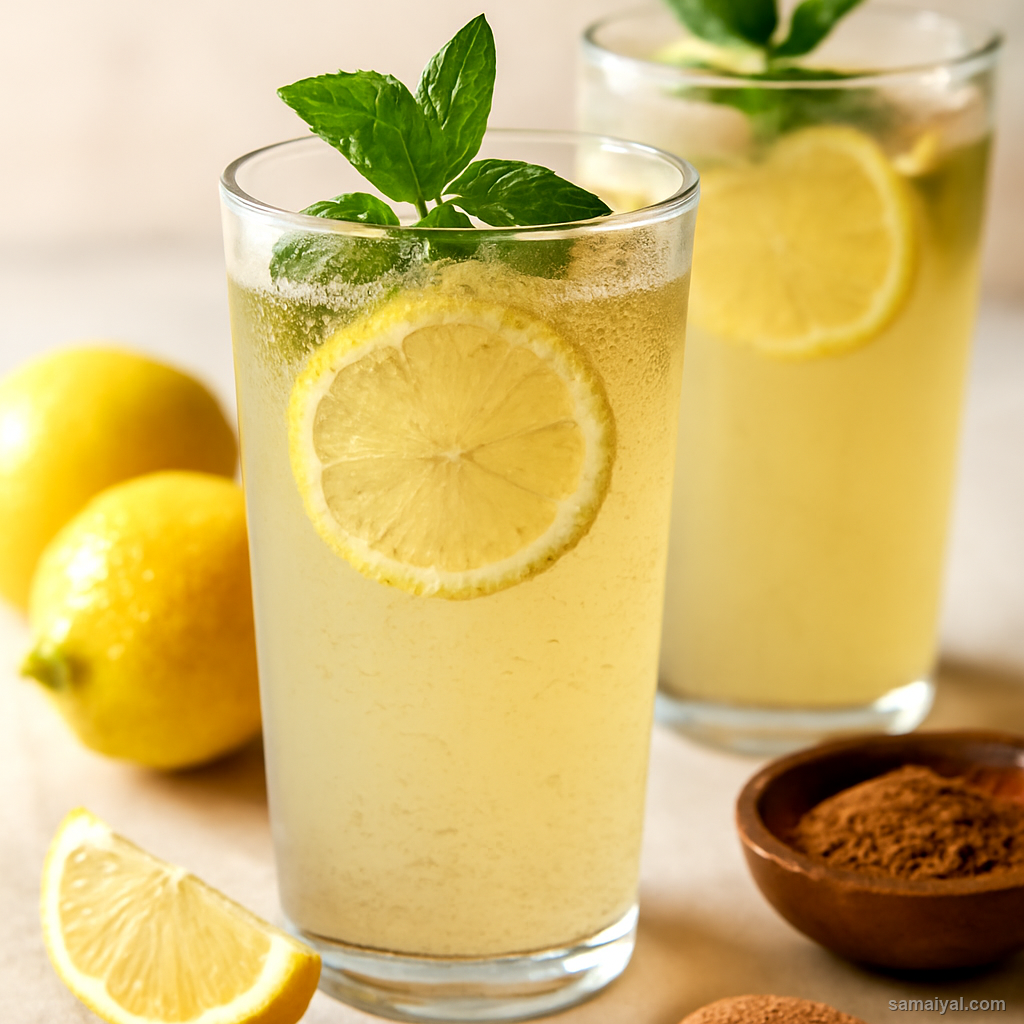
Indian spiced lemonade with roasted cumin and black salt — light, tangy and the best...
Comments & Tips
Be the first to share your experience with this recipe!
Leave a Comment