
Mango Lassi
Thick yogurt blended with sweet Alphonso mangoes — cool, creamy and the perfect Indian...
Tribal/village Tamil Nadu recipe — Golden milk — the ancient Tamil healing drink for immunity.

About Manjal Paal: Manjal Paal is golden milk — the ancient Tamil healing drink for immunity. The name simply means "turmeric milk" ("manjal" = turmeric, "paal" = milk). The foundational home remedy across South India — given for colds, sore throats, joint pain, and general wellness. Predates modern wellness trends by thousands of years.
Note on source: The original recipe instructions were template-generated boilerplate that incorrectly described turmeric milk as needing tempering with mustard seeds. Turmeric milk is a sweet warm drink, not a tempered savoury preparation. This rewrite provides correct preparation. Manjal Paal is essentially milk simmered with fresh turmeric and warming spices.
IMPORTANT health context: Turmeric milk is genuinely beneficial for many people but consider these factors. Pregnancy: discuss with your doctor before consuming regularly; small culinary amounts are fine, medicinal amounts may not be advised. Blood thinners: turmeric has natural blood-thinning effects; if you take warfarin, aspirin, or other blood thinners, consult your doctor. Gallstones: turmeric can stimulate gallbladder; those with gallstones should consult their doctor. Iron deficiency: turmeric can interfere with iron absorption — drink turmeric milk separately from iron supplements.
Gather ingredients: 1 inch fresh turmeric root (genuinely better than powder — provides more curcumin/active compound, brighter colour, more nuanced flavour; available at South Indian groceries, particularly during winter; substitute with 1/2 tsp turmeric powder if unavailable, less authentic but functional), 2 cups full-fat milk (fat is essential — turmeric's active compounds/curcuminoids are fat-soluble and require fat for proper absorption; substitute with coconut milk for plant-based, works excellently providing healthy fats; cashew or almond milk also work but require added fat — 1 tsp coconut oil — for proper absorption), 1/4 tsp ground black pepper (essential — contains piperine, which dramatically increases curcumin absorption; without black pepper, most medicinal benefit is lost), 1/4 tsp cardamom powder, 1/2 inch fresh ginger grated, 1 tsp honey or palm jaggery (most traditional Tamil; avoid white sugar), optional 1/2 tsp ghee.
Why black pepper matters: Modern research confirms piperine increases curcumin absorption by up to 2000%. Traditional Tamil cooks knew this combination produced more effective medicine; modern science explains why.
The staining warning: Wear gloves — fresh turmeric stains skin and surfaces permanently. Wear an old apron, work on a stained-friendly surface, and avoid splashing onto white surfaces. Grate the fresh turmeric finely on the small holes of a box grater.
Combine milk and aromatics: Use a clean small stainless steel pot (some Tamil families use a small earthen pot/mann chatti for subtle mineral character). Pour the 2 cups milk into the pot. Add the grated fresh turmeric (or 1/2 tsp turmeric powder), 1/4 tsp ground black pepper, 1/4 tsp cardamom powder, and the grated ginger.
Bring to gentle boil and reduce: Place over medium heat. Stir occasionally as it heats. Watch carefully — milk loves to overflow. As soon as the milk approaches a boil, reduce to the lowest heat setting your stove allows.
The critical 10-minute simmer: Simmer on lowest heat for 10 minutes, stirring occasionally with a wooden spoon. The slow simmer extracts the active compounds from the turmeric and integrates the spices. Watch the colour: milk gradually turns from white to pale yellow to deep golden. By 10 minutes, beautiful warm golden — like the inside of a ripe peach. Kitchen will fill with the warm spice aromas.
Final taste at 10 minutes: After 10 minutes, the milk should taste deeply warm and aromatic — earthy turmeric, warming ginger, sharp black pepper, fragrant cardamom.
Add sweetener: Switch off the heat (essential before adding raw honey — heating raw honey above 40°C destroys some beneficial enzymes). Let cool 1-2 minutes — should be warm but not boiling. Stir in the 1 tsp honey or palm jaggery until fully dissolved. Stir in 1/2 tsp ghee if using. Take a small sip — should taste warmly spiced, sweet (not too sweet — meant to be subtly sweet), with the deep earthy notes of turmeric clearly present. Adjust honey to your taste.
Serve immediately: Pour into small heat-resistant cups. Traditional Tamil families use small clay or ceramic cups — retain heat well. Drink slowly, in small sips. The drink is meant to be appreciated, not gulped.
Serve before bed and for illness: The most traditional Tamil time for manjal paal is just before bed — warming character helps relaxation; active compounds work overnight. At first sign of sore throat or cold, drink turmeric milk twice daily — anti-inflammatory effects can be remarkable. Daily turmeric milk has been shown to support joint health for those with mild arthritis. A daily cup is part of traditional Tamil home medicine practice — preventive rather than reactive.
For children, pregnant women, illness recovery: Children with colds or coughs often benefit from turmeric milk — smaller portions (1/2 cup) and slightly more honey for child appeal. Check with paediatrician for children under 1 year (honey not safe for infants). Pregnant women should discuss with doctor — small culinary amounts (one cup occasionally) usually fine, daily medicinal use should be doctor-approved. Turmeric milk supports recovery from colds, flu, and respiratory infections; daily consumption during recovery is traditional.
Variations: Some Tamil families add 1 small cinnamon stick during the simmer — produces additional warming character. Others add a pinch of nutmeg. For more elaborate version: add 1 small green cardamom pod (cracked), 1 small cinnamon stick, 2 cloves, and 1/8 tsp grated nutmeg along with the turmeric — produces a more complex Indian "kashayam" style drink.
A cultural, historical and scientific note: Turmeric milk has been used in Tamil and broader Indian medicine for over 4000 years. References appear in ancient Ayurvedic texts. The recent global rise of "golden milk" in wellness circles is essentially the rediscovery of this ancient Indian wisdom. Modern research has identified curcumin (the main active compound in turmeric) as having anti-inflammatory, antioxidant, and potentially anti-cancer effects. The traditional pairing with black pepper (piperine) and fat is genuinely necessary for proper absorption. Tamil grandmothers were following pharmacological wisdom centuries ahead of modern science.
Leftover storage: Best made fresh and consumed warm. Stored in fridge for 1 day; reheat gently on the stovetop. Avoid microwaving — can produce uneven heating. The medicinal benefits diminish with each reheat — fresh is always best.
Thick yogurt blended with sweet Alphonso mangoes — cool, creamy and the perfect Indian...
 ⭐ Featured
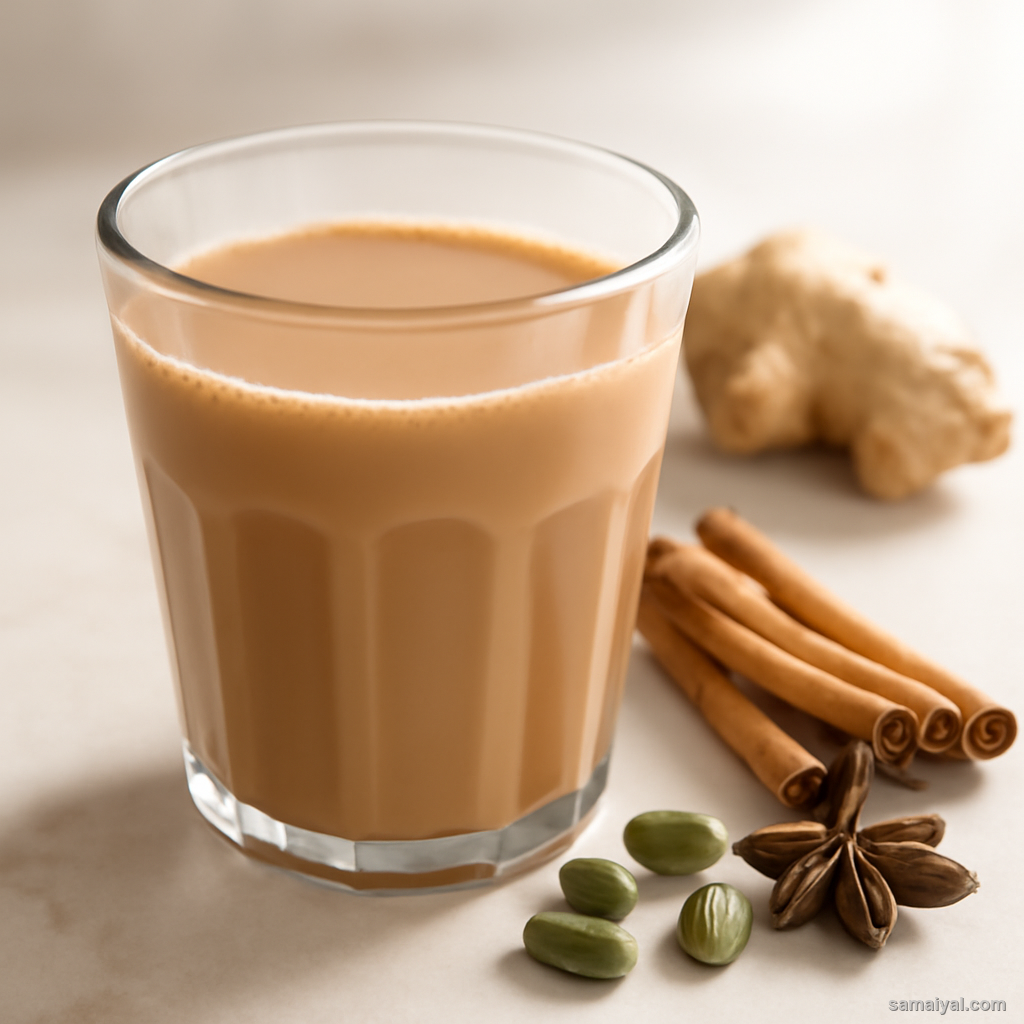
Spiced black tea with ginger, cardamom and cinnamon — India's universal warm embrace in a cup.

Chilled almond-spice-rose milk drink traditionally made for Holi — refreshing,...
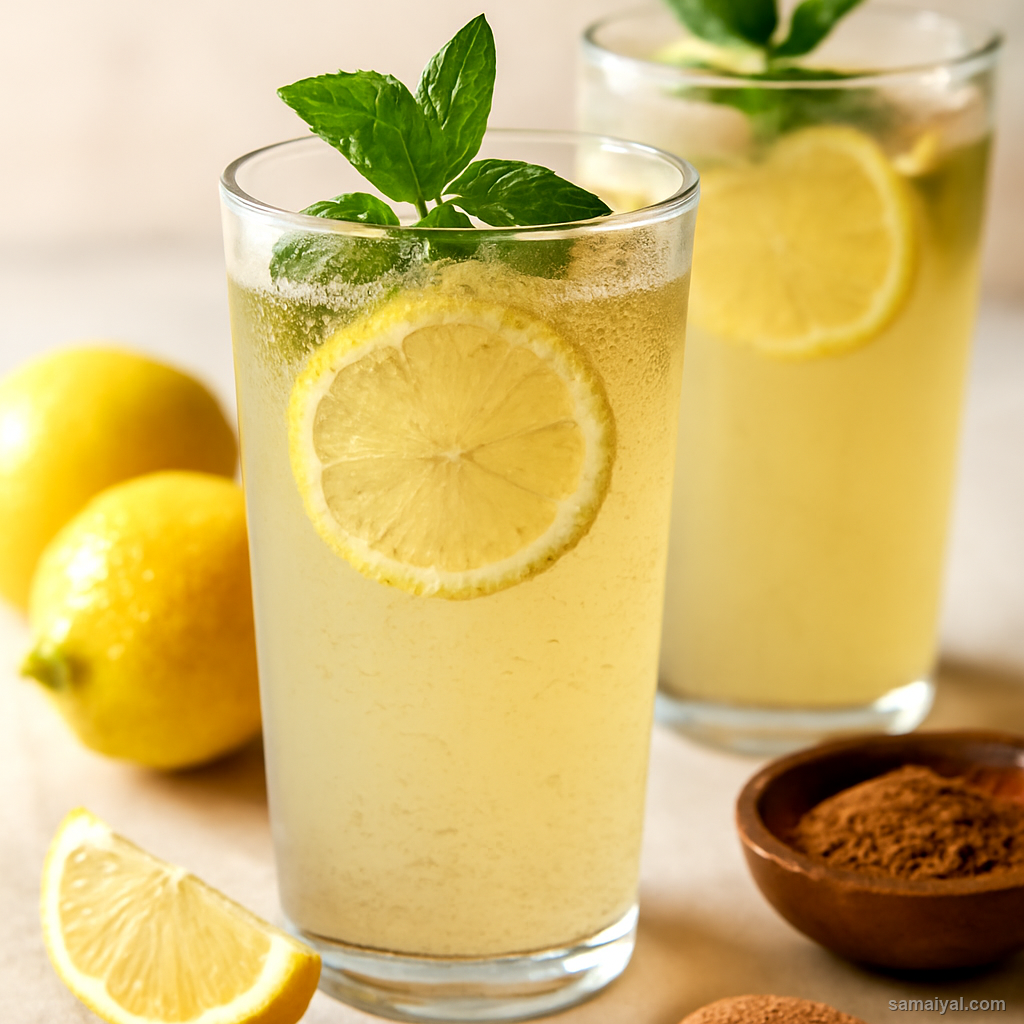
Indian spiced lemonade with roasted cumin and black salt — light, tangy and the best...
Comments & Tips
Be the first to share your experience with this recipe!
Leave a Comment