 ⭐ Featured
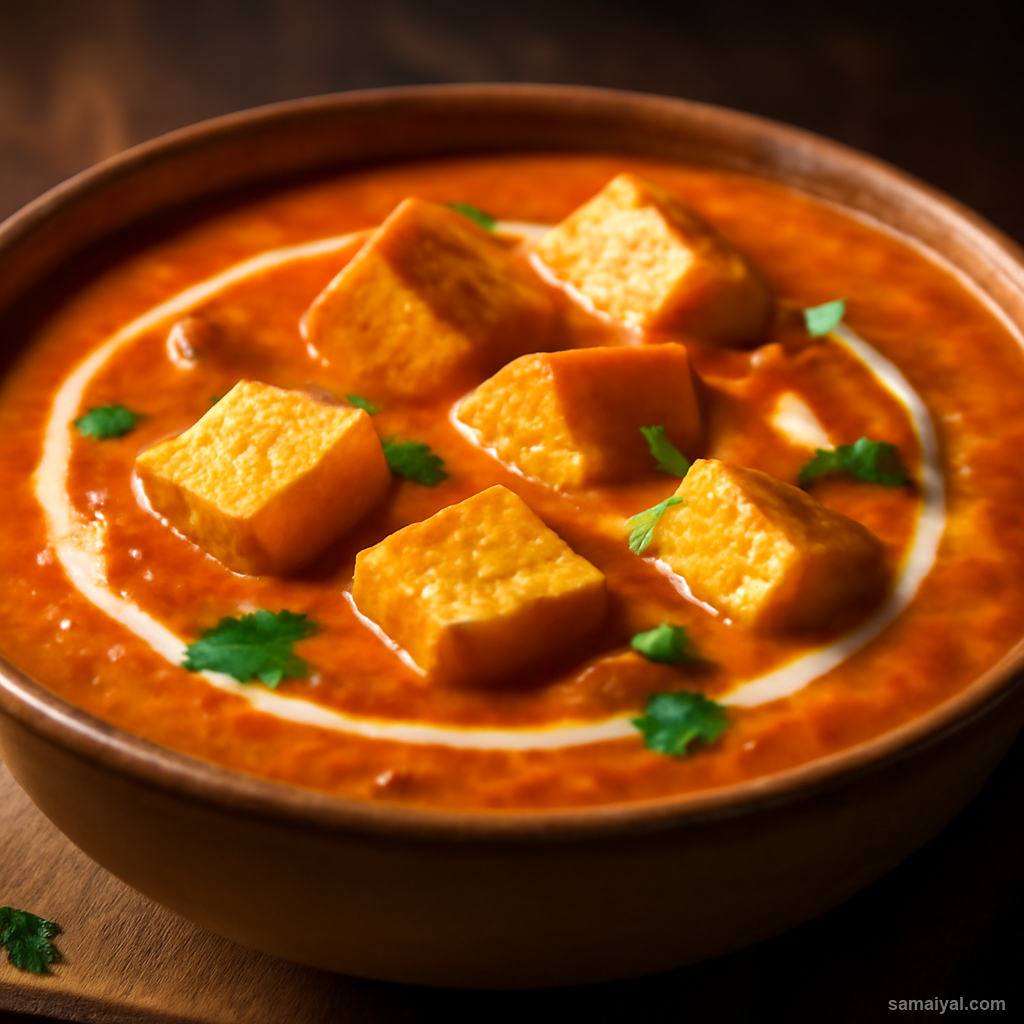
Butter Paneer Masala
Creamy tomato-based curry with soft paneer cubes — the all-time favourite of Indian...
Lentils cooked with mountain spinach and garlic — the iron-rich everyday lunch of highland communities

About Spinach Dal Arunachal: Spinach dal is the daily nutritional backbone of Arunachali highland diets — particularly in the Tawang, West Kameng and Kurung Kumey districts where vegetables grow abundantly. Iron from spinach combines with protein from lentils to create a complete weekday meal. The Arunachali version differs from Bihari or Punjabi spinach dal — simpler, less spiced, letting the natural flavours of greens and lentils shine through.
Choose toor dal: Use 1 cup of toor dal (split pigeon peas). The standard for everyday dal cooking — small split yellow lentils with a slightly waxy surface, sold at every Indian grocer.
Wash and soak: Wash the dal in 4-5 changes of cold water until the water runs nearly clear. Soak for 20 minutes — short soaking is enough; toor dal does not need overnight.
Choose fresh spinach: Use 2 cups of fresh spinach leaves (or local highland greens if available). The leaves should be deep green, crisp, and unblemished. Yellowed or wilted spinach has lost much of its iron content.
Wash spinach thoroughly: Submerge in a big bowl of cold water and swish vigorously. Lift out — do not pour through, or grit comes back. Repeat once more with fresh water.
De-stem and chop: Pinch off any thick lower stems. Roughly chop the leaves into 2-3cm pieces.
Drain the dal: After soaking, drain the dal in a sieve.
Pressure cook the dal: Place the soaked dal in a pressure cooker. Add 3 cups water and 1 tsp turmeric powder. Add 1/2 tsp oil to prevent foaming and a pinch of salt. Cook on high heat for 3 whistles, then on low heat for 5 more minutes.
If no pressure cooker: Boil the soaked dal in 4 cups water with turmeric and salt for 35-40 minutes, topping up water as needed.
Let pressure release naturally: Switch off and wait 10 minutes for natural pressure release.
Mash the dal: Open the cooker. Use the back of a wooden spoon to lightly mash the dal against the sides — keep some texture. The dal should look creamy but with some lentil shapes still visible.
Prepare the onion: Take 1 medium onion. Peel and chop into fine 5mm dice.
Prepare the garlic: Take 3 garlic cloves. Crush, peel and mince finely.
Prepare the green chilli: Take 1 fresh green chilli. Slit lengthwise and chop into rounds.
Heat the oil: Pour 2 tbsp neutral cooking oil into a wide pan or kadhai over medium-high heat. The Arunachali highland tradition often uses neutral oil rather than the mustard oil of Assam — but mustard oil works too if you prefer that flavour.
Fry the onion: Reduce heat to medium. Add the chopped onion. Stir-fry for 4-5 minutes, stirring often, until soft and just turning golden at the edges. The Arunachali style does not deeply brown the onion — keep it pale-golden, not dark.
Add the garlic: Add the minced garlic. Stir for 1 minute until fragrant.
Add the spinach: Add the chopped spinach to the pan. The spinach will look like a huge volume but will collapse dramatically within minutes. Toss with the spiced onion mixture.
Add the chilli: Add the chopped green chilli. Stir.
Wilt the spinach: Stir-fry on medium heat for 2-3 minutes until the spinach wilts completely and turns bright deep green. Do not over-cook — just wilted is the goal.
Combine with the dal: Tip the cooked dal (with all its liquid) into the pan with the wilted spinach. Stir well to combine. The dal should turn a beautiful warm yellow with deep green flecks visible.
Add salt: Add salt to taste — about 1/2 tsp may be needed beyond what was in the cooked dal.
Simmer to marry: Reduce heat to medium-low. Simmer uncovered for 5 minutes, stirring once. The flavours will meld together and the spinach will fully integrate into the dal.
Adjust the consistency: The final dal should be moderately thick — like a thick pourable soup. If too thick, stir in 1/2 cup hot water; if too thin, simmer 2 more minutes.
Final taste: Taste a spoonful. The dal should taste warmly earthy from the lentils, vivid and mineral from the spinach, with the onion-garlic backbone and a gentle chilli warmth. Adjust salt to your liking.
Garnish and serve: Switch off the heat. Sprinkle 2 tbsp finely chopped fresh coriander over the top. Serve hot over plain steamed rice — the most traditional Arunachali pairing.
Serving the highland way: Some Arunachali highland homes serve this dal alongside steamed millet (a more traditional grain than rice in some districts) or alongside hand-rolled flatbreads made of finger millet flour. These pairings provide additional iron and calcium that complement the dal's nutritional profile.
For a more substantial meal: Pair with a small piece of smoked fish or a few cubes of soft tofu. The dal is filling enough to be a meal on its own with rice.
A nutritional note: This simple dal is one of the most nutritionally complete dishes in Indian cuisine — providing protein, iron, vitamin C (which helps iron absorption), calcium, fibre and B vitamins all in one bowl. The Arunachali highland communities who eat this dish regularly have notably low rates of anaemia and other deficiency-related health issues. The traditional wisdom of combining lentils with greens has now been validated by modern nutrition science.
Leftover storage: Stored in the fridge in an airtight container, this dal keeps for 3-4 days. Reheat gently with a splash of water on the stovetop. The spinach colour darkens slightly overnight but the flavour deepens.
⭐ Featured
Creamy tomato-based curry with soft paneer cubes — the all-time favourite of Indian...
 ⭐ Featured
Velvety spinach curry with golden-fried paneer — nutritious, vibrant and absolutely delicious.

Bold, tangy chickpea curry packed with spices — a street food staple that works as a main dish.

Dry-spiced potatoes and cauliflower — simple, aromatic, and endlessly satisfying.
Comments & Tips
Be the first to share your experience with this recipe!
Leave a Comment