
Mango Lassi
Thick yogurt blended with sweet Alphonso mangoes — cool, creamy and the perfect Indian...
Wood apple (bael fruit) sherbet — cooling, digestive and deeply aromatic.

About Pori Vilangai Sherbet: Pori Vilangai (wood apple) is the most cooling Tamil summer drink — earthy, slightly bitter-sweet, with deep medicinal benefit. Across Tamil Nadu, particularly during the brutal summer months, pori vilangai sherbet is the iconic seasonal drink. Made from the wood apple fruit (pori vilangai in Tamil, kaitha in Hindi, bael in some regions) — the fruit's deeply aromatic, slightly bitter character produces a uniquely complex drink. Pre-dates modern soft drinks by thousands of years; Tamil traditional medicine specifically recommends wood apple for digestive health and as a summer cooling agent.
Understand wood apple: Wood apple (called pori vilangai in Tamil — "vilangai" means "to crack open") is a hard-shelled tropical fruit. The shell is rock-hard like a coconut, requiring a hammer or strong knock to break open. Inside is sticky brown pulp with seeds — this pulp is the part used. Available at South Indian groceries during summer (March-July is peak season). Sometimes available frozen pulp. If unavailable, this dish requires the specific ingredient — wood apple has unique flavour with no real substitute.
The medicinal context: Wood apple is traditionally used in Tamil and Ayurvedic medicine for digestive support, treating dysentery, constipation, and inflammation. Modern research has identified compounds with documented benefits. The drink is genuinely health-supporting, not just refreshing. IMPORTANT note: those with severe diabetes should moderate consumption due to natural sugars; those with serious digestive disorders (ulcers, severe IBS) should consult their doctor before consuming wood apple regularly.
Gather ingredients: 1 medium wood apple (about 200-300g of pulp once opened), 4 tbsp jaggery (palm jaggery is most traditional Tamil; substitute with regular cane jaggery or honey), 1/4 tsp ground cardamom, a pinch of salt, 4 cups cold water, optional 1 tbsp lemon juice for additional brightness, optional 1 tsp finely chopped fresh mint leaves.
Open the wood apple: Place the wood apple on a hard surface. Use a hammer or heavy knife to crack the hard shell. Strike with controlled force — too aggressive cracks the pulp and shell into the bowl. Once cracked, use a spoon or knife to scoop out the sticky brown pulp. Discard the seeds (they are inedible).
Prepare the pulp: In a wide bowl, place the scooped wood apple pulp. Add 1 cup of the cold water. Use clean hands to mash the pulp through your fingers, dissolving as much as possible into the water. The pulp will gradually break down into a thick brown slurry.
Strain through fine sieve: Place a fine-mesh sieve over a clean bowl. Pour the slurry through the sieve, pressing through with the back of a spoon. Discard the residue (mostly seeds and fibrous pulp). The strained liquid is the wood apple essence — thick, brown, deeply aromatic.
Dissolve the jaggery: In a small saucepan, combine the strained wood apple essence with the 4 tbsp grated jaggery and a pinch of salt. Heat over low heat for 3-4 minutes, stirring constantly, until the jaggery is fully dissolved. Do not boil — gentle warming is enough.
Cool and add aromatics: Switch off heat. Stir in 1/4 tsp cardamom powder. Cool to room temperature for 15-20 minutes. The drink develops more complex flavour as it cools and rests.
Dilute and chill: Once cool, add the remaining 3 cups cold water. Stir well to integrate. Transfer to a fridge or pitcher with ice. Chill for at least 30 minutes — preferably 1 hour or more. Drink is meant to be served extremely cold to maximise the cooling effect.
Final flavour adjustment: After chilling, taste. Should taste deeply complex — earthy wood apple character, gentle sweet jaggery, fragrant cardamom, slight salt that enhances the other flavours. If too thick, add 1/2 cup more cold water. If too sweet, add 1 tbsp lemon juice for acidity balance. If not sweet enough, add 1 tbsp more jaggery dissolved in 2 tbsp warm water.
Serve in tall glasses: Pour the chilled sherbet into tall glasses. Add 2-3 ice cubes per glass if desired. Drink slowly — the substantial nature means you cannot gulp it down. Sipping is part of the cooling experience. Garnish each glass with 1-2 chopped fresh mint leaves if desired — provides bright fresh contrast.
Serve at peak summer: For maximum traditional effect, serve in extreme summer heat — when temperatures are 35°C or higher. Genuinely cooling. The traditional Tamil summer drink — providing electrolytes, complex carbs, and antioxidants in one cool refreshing glass. Tamil families serve pori vilangai sherbet at lunch on hot days. Wood apple is traditionally considered "thanmai" (cooling) in Tamil medicine — appropriate for hot weather, heat-related fatigue, and inflammation. Daily consumption during summer is traditional.
For children, elderly, post-meal: Children love the unusual flavour — sweet, complex, and deeply different from typical soft drinks. Far healthier than commercial cold drinks. Many Tamil elderly drink it daily during summer for the digestive and cooling benefits. The drink supports digestion and can be served after heavy meals — particularly satisfying during hot weather meals.
Variations: Some Tamil families add 1 tsp lemon juice for additional brightness. Others add 1/4 tsp dry ginger powder for warming character — particularly nice on cooler summer days. The minimalist version (just wood apple, jaggery, water) is also valid traditional Tamil practice.
A cultural, ecological, scientific note: Wood apple cultivation has been part of Tamil agriculture for thousands of years. The fruit thrives in tropical conditions and represents traditional South Indian fruit knowledge. Modern research has identified compounds in wood apple with anti-inflammatory, antimicrobial, and digestive-supporting properties. The traditional pairing with cardamom and salt enhances the body's ability to extract these benefits. Tamil grandmothers were not making mistakes — they were following pharmacological wisdom.
Leftover storage: Stored in fridge in an airtight container, the sherbet keeps for 1-2 days. The flavour develops further overnight. Stir before serving as some sediment may settle. Best consumed within 24 hours for peak fresh flavour.
Thick yogurt blended with sweet Alphonso mangoes — cool, creamy and the perfect Indian...
 ⭐ Featured
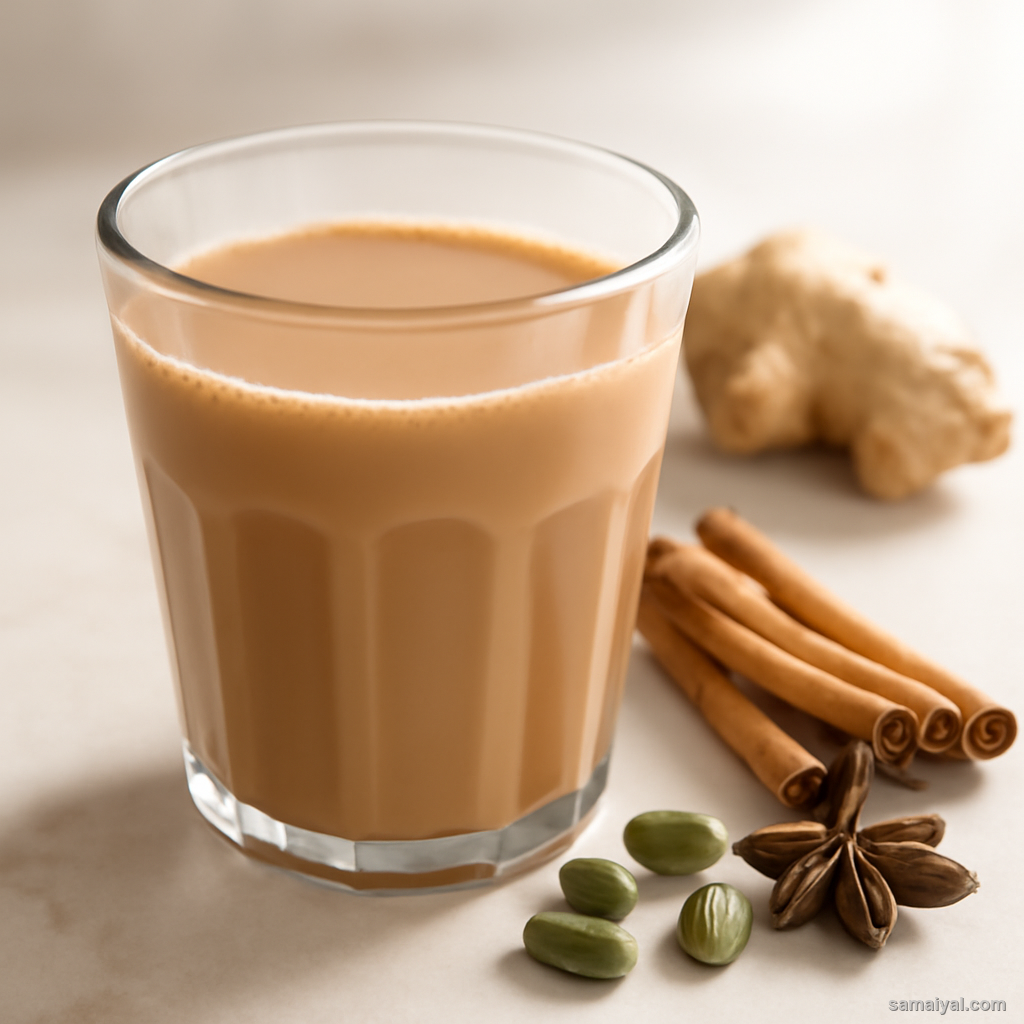
Spiced black tea with ginger, cardamom and cinnamon — India's universal warm embrace in a cup.

Chilled almond-spice-rose milk drink traditionally made for Holi — refreshing,...
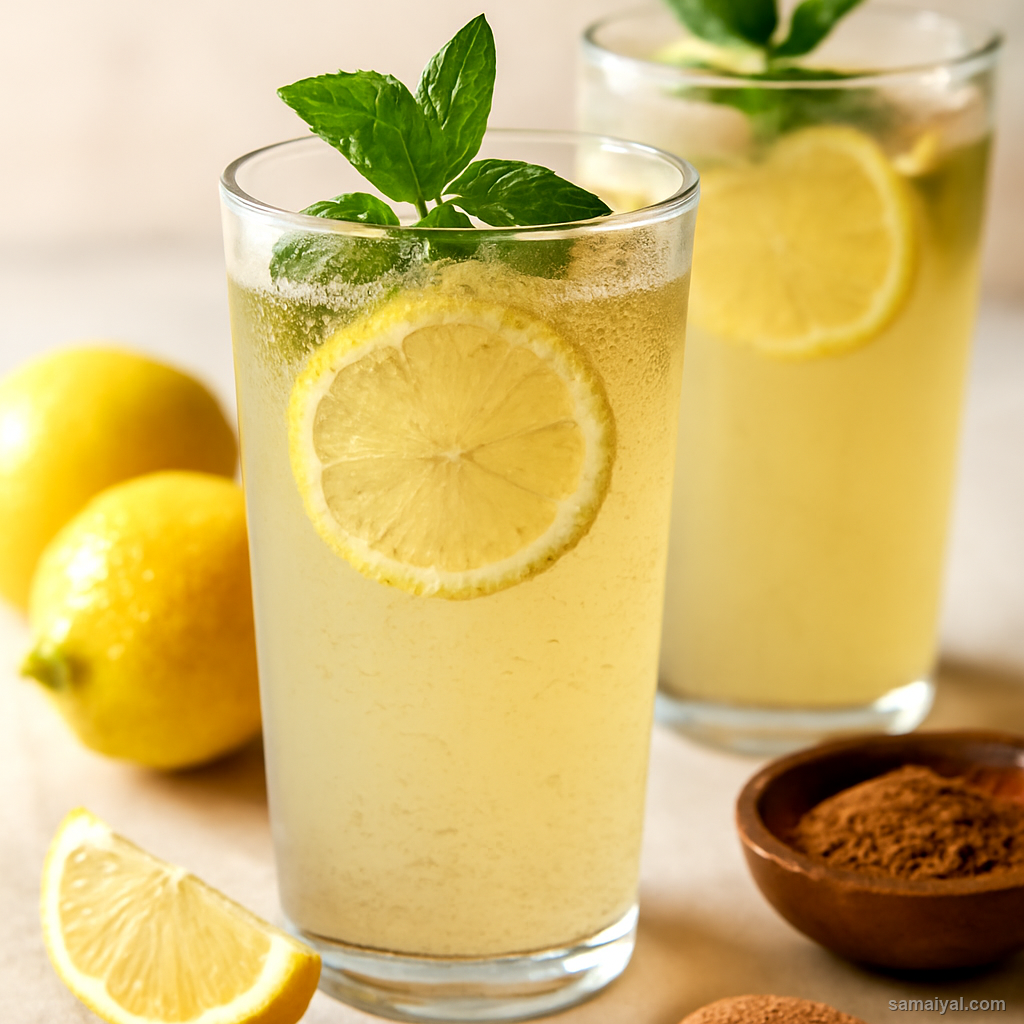
Indian spiced lemonade with roasted cumin and black salt — light, tangy and the best...
Comments & Tips
Be the first to share your experience with this recipe!
Leave a Comment