 ⭐ Featured
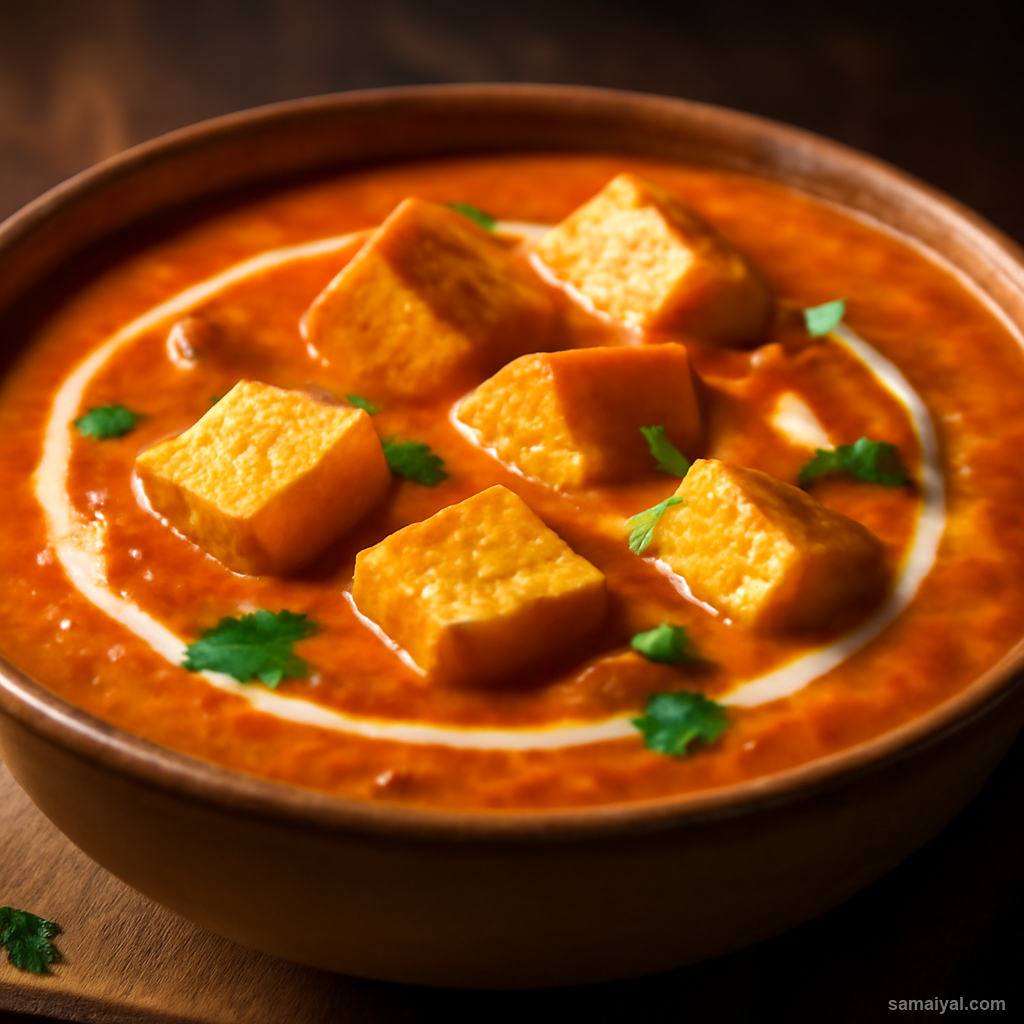
Butter Paneer Masala
Creamy tomato-based curry with soft paneer cubes — the all-time favourite of Indian...
Rice and moong dal khichdi with generous ghee — the sacred daily food of Bihar

About Khichdi Bihari: Khichdi is the sacred everyday food of Bihar — offered to deities, fed to the sick, eaten on fast days, and enjoyed as comfort food on chilly evenings. The Bihari version uses generous ghee, both whole and ground spices, and a longer slow-cook than other regional versions. The result is a soft, deeply flavoured one-pot meal that requires nothing more than yogurt, papad and pickle to feel complete.
Understand the rice-to-dal ratio: Bihari khichdi traditionally uses 2 parts rice to 1 part dal — this gives a softer, more rice-forward khichdi than the Punjabi or Gujarati versions which use closer to 1:1. Use 1 cup rice and 1/2 cup yellow moong dal.
Choose the right rice: Use any short or medium grain plain white rice. Govindbhog from Bihar is the most authentic. Long basmati does not break down enough; the rice should be visibly broken at the end. Avoid parboiled rice — it stays too firm.
Use yellow moong dal: Use 1/2 cup of split yellow moong dal (without skin — pale yellow lentils sold at every Indian grocer). They cook to soft mush within 20 minutes, which is exactly what khichdi needs.
Wash thoroughly: Wash the rice and dal together in 4-5 changes of cold water until the water runs nearly clear. Removing the surface starch prevents the khichdi from going gluey.
Soak briefly: Cover with cold water and soak for 15 minutes. This short soak softens both rice and dal slightly so they cook into one creamy mass rather than separate elements.
Drain well: After 15 minutes, drain through a fine sieve. Let drain for 1-2 minutes — wet rice and dal can splatter dangerously when added to hot ghee.
Understand the spices: Bihari khichdi uses three tempering spices — cumin seeds (warm earthiness), bay leaves (gentle aroma) and asafoetida or hing (savoury depth). The hing is what makes this distinctly Bihari and not just any khichdi. A tiny pinch is enough.
Prepare the spices: Have 1 tsp cumin seeds, 2 dried bay leaves and 1/4 tsp asafoetida (hing) measured out and within arm's reach of the stove.
Warm the ghee generously: Place a heavy-bottomed pot over medium heat. Add 2 tbsp ghee. Heat for 30 seconds until melted and shimmering. Bihari khichdi uses generous ghee — it is not a low-fat dish.
Temper the spices: Reduce heat to medium-low. Add the cumin seeds. They will sizzle and turn golden in 10-15 seconds. Add the bay leaves — they will crackle. Then immediately add the 1/4 tsp asafoetida. The hing will sizzle and fill the kitchen with its savoury aroma.
Add the rice and dal: Tip the drained rice and dal into the tempered ghee. Stir for 1-2 minutes to coat every grain in the spiced ghee. This brief sauteing prevents the khichdi from going gluey and adds depth.
Add turmeric and salt: Sprinkle in 1 tsp turmeric powder and salt to taste — about 1.25 tsp for this quantity. Stir for 30 seconds. The grains will turn a warm golden colour.
Add water carefully: Pour in 3.5 cups hot water. The Bihari ratio of 2.3:1 water-to-grain produces the soft, flowing texture that defines this khichdi. If you prefer thicker khichdi, use 3 cups water; for very soft, almost porridge-like, use 4 cups.
Bring to a rolling boil: Increase heat to high. Bring to a full rolling boil — bubbles across the whole surface, not just edges. Skim off any foam that rises with a spoon.
Reduce heat and cover: Once boiling, reduce heat to the lowest setting. Cover the pot with a tight-fitting lid. Cook for 20-25 minutes without lifting the lid. Escaping steam slows down cooking dramatically.
Check doneness: Lift the lid carefully (away from your face — steam burns badly). The water should be fully absorbed, the rice grains should look swollen and broken, and the dal should have melted into a soft mass. The texture should be very soft and slightly flowing.
Mash gently for the right texture: Use the back of a spoon to mash the khichdi a few times against the side of the pot. This homogenises everything into the soft consistency that defines Bihari khichdi. If too thick, stir in 1/2 cup hot water.
Rest covered: Cover the pot again and let rest for 5 minutes. This rest lets the flavours marry and the consistency settle.
Serve with extra ghee: Spoon into bowls. Drizzle 1 tbsp warm melted ghee over each bowl — the Bihari touch and not optional. Serve hot alongside thick plain yogurt, mango pickle, papad and a few slices of raw onion. Many Biharis also crumble a chunk of jaggery on the side, eaten in tiny bites between spoons of warm khichdi. The combination is perfect.
⭐ Featured
Creamy tomato-based curry with soft paneer cubes — the all-time favourite of Indian...
 ⭐ Featured
Velvety spinach curry with golden-fried paneer — nutritious, vibrant and absolutely delicious.

Bold, tangy chickpea curry packed with spices — a street food staple that works as a main dish.

Dry-spiced potatoes and cauliflower — simple, aromatic, and endlessly satisfying.
Comments & Tips
Be the first to share your experience with this recipe!
Leave a Comment