
Mango Lassi
Thick yogurt blended with sweet Alphonso mangoes — cool, creamy and the perfect Indian...
Fresh ginger steeped in hot water with wild honey — the simplest daily warming drink of Arunachali villages

About Ginger Honey Tribal Tea: This simple ginger and honey tea is the daily morning drink of Arunachali villages, especially among the Adi, Apatani and Nyishi tribal communities of the central highlands. There are no tea leaves involved — just fresh ginger, water and wild honey. The drink is warming, medicinal, and the perfect start to a cold mountain morning. It also helps with digestion, sore throats and morning sluggishness.
Choose fresh ginger: Use a 2-inch piece of fresh ginger. The skin should be glossy tan, the flesh firm. Old shrivelled ginger has lost its juice and produces weak tea. Younger ginger (with smoother thinner skin) is sharper and milder; older ginger is woodier and more pungent — both work well.
Wash the ginger: Wash thoroughly under cold running water, scrubbing the skin gently with your fingers to remove any soil clinging to the knobs.
Decide whether to peel: Younger ginger with thin skin can be used unpeeled — the skin contains many of the medicinal compounds. Older ginger with thick fibrous skin should be lightly scraped with the back of a spoon. Either way, do not deep-peel; the most flavourful flesh sits just below the skin.
Slice into thin coins: Slice the ginger into thin coins, about 2-3mm thick — you should get 8-10 slices from a 2-inch piece. Thin slicing exposes maximum surface area to the water, extracting more flavour.
Lightly bruise the slices: Place the slices on a chopping board. Press each one with the flat of a knife or back of a spoon, just enough to crack and bruise them — do not crush. Bruising releases the ginger juice into the slice, which then infuses into the water more effectively.
Prepare the black pepper: Take 4-5 black peppercorns. Crush lightly with the flat of a knife — just to break them open, not to powder. The crushed peppercorns release more warmth into the tea.
Use a small saucepan: Use a small stainless steel or enamel saucepan. Avoid aluminium, which can react slightly with the ginger.
Bring water to boil: Pour 2 cups of cold water into the pan. Place over high heat. Bring to a full rolling boil — bubbles across the entire surface.
Add ginger and pepper: Once the water is boiling, add the bruised ginger slices and the crushed peppercorns. Reduce heat to medium-low.
Simmer slowly: Let the ginger and pepper simmer in the water for 7 minutes uncovered. Slow simmering extracts the medicinal compounds and warming character of the ginger without being aggressive. The water will turn a beautiful pale tan-yellow and the kitchen will smell sharply gingery.
Watch the colour and aroma: After 7 minutes, the tea should be a clear pale tea colour and the aroma should be strongly gingery with a peppery undertone. Take a deep sniff — if it smells weak, simmer 1-2 more minutes; if it smells very intense, switch off heat sooner.
Let it cool slightly: Switch off the heat and let the tea cool for 1-2 minutes. The water needs to drop just below boiling before adding honey.
The critical honey timing: This is the most important step. Honey added to actively boiling water destroys its enzymes, beneficial properties and delicate floral flavours, and can even turn the tea bitter. Always wait for the simmer to stop before adding honey.
Strain into cups: Place a fine-mesh sieve over each cup. Pour the slightly cooled tea through, pressing the ginger and peppercorns gently with the back of a spoon to extract every drop. Discard the spent ginger and pepper.
Add the wild honey: Stir in 1 tsp wild honey per cup. If you do not have wild honey, use any raw, unprocessed honey — but Arunachali wild forest honey gives the most authentic flavour. Stir until fully dissolved.
Taste and adjust: Taste — the tea should be warming, faintly sweet, sharply gingery, with a gentle peppery warmth. Adjust honey to taste; the traditional Arunachali version is moderately sweet, not heavily honeyed.
Drink hot first thing in the morning: This tea is most beneficial drunk first thing in the morning, on an empty stomach, before breakfast. The traditional approach is to sip slowly while looking out at the mountains. The warmth spreads through the body and prepares the digestive system for the day. It is also excellent during a cold or sore throat — drink up to 3 cups daily for therapeutic benefit.
Thick yogurt blended with sweet Alphonso mangoes — cool, creamy and the perfect Indian...
 ⭐ Featured
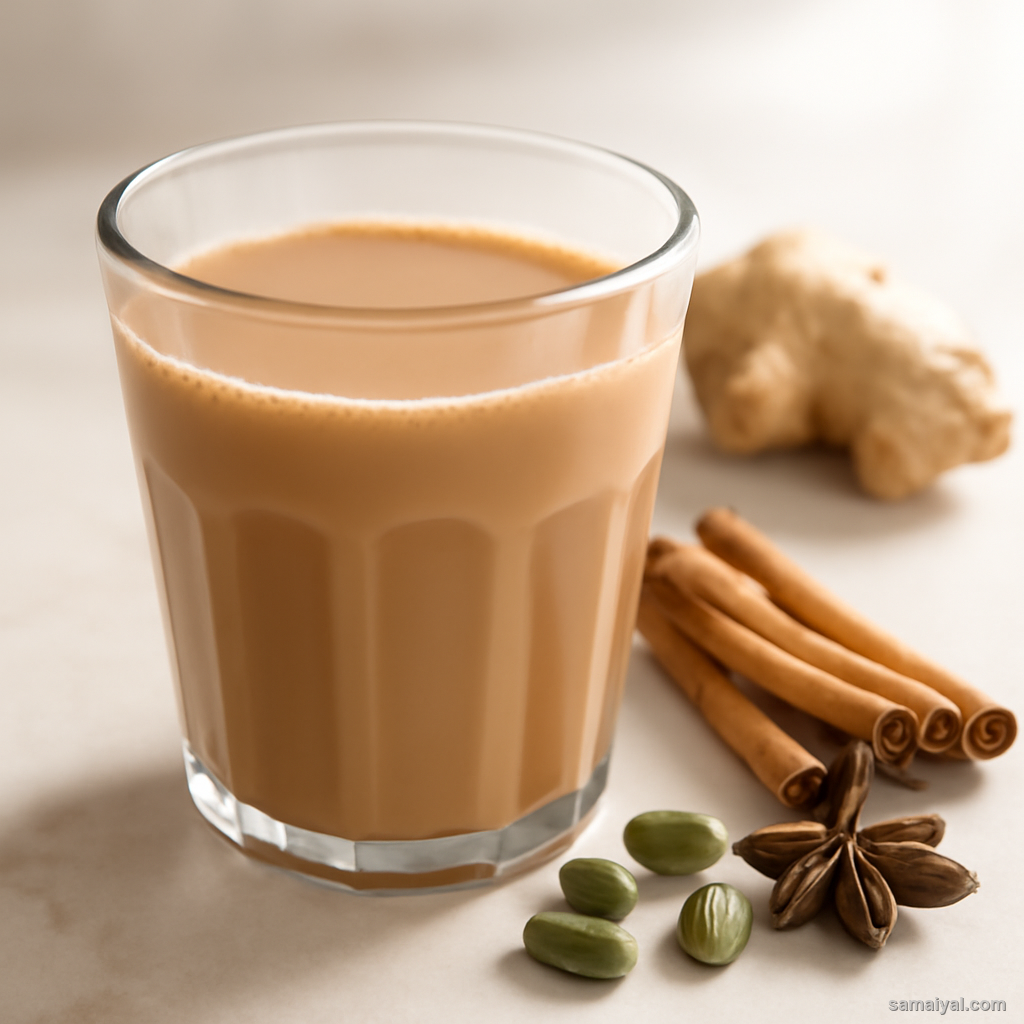
Spiced black tea with ginger, cardamom and cinnamon — India's universal warm embrace in a cup.

Chilled almond-spice-rose milk drink traditionally made for Holi — refreshing,...
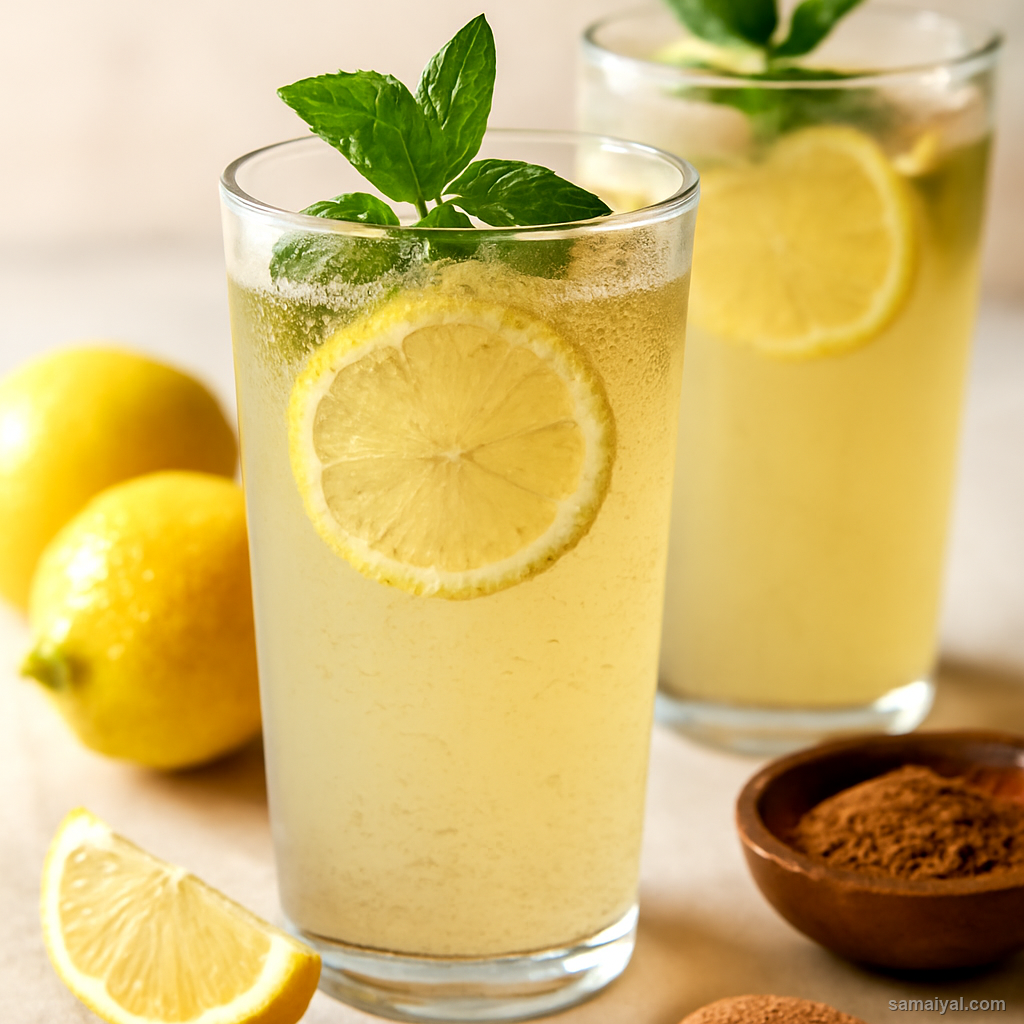
Indian spiced lemonade with roasted cumin and black salt — light, tangy and the best...
Comments & Tips
Be the first to share your experience with this recipe!
Leave a Comment