 ⭐ Featured
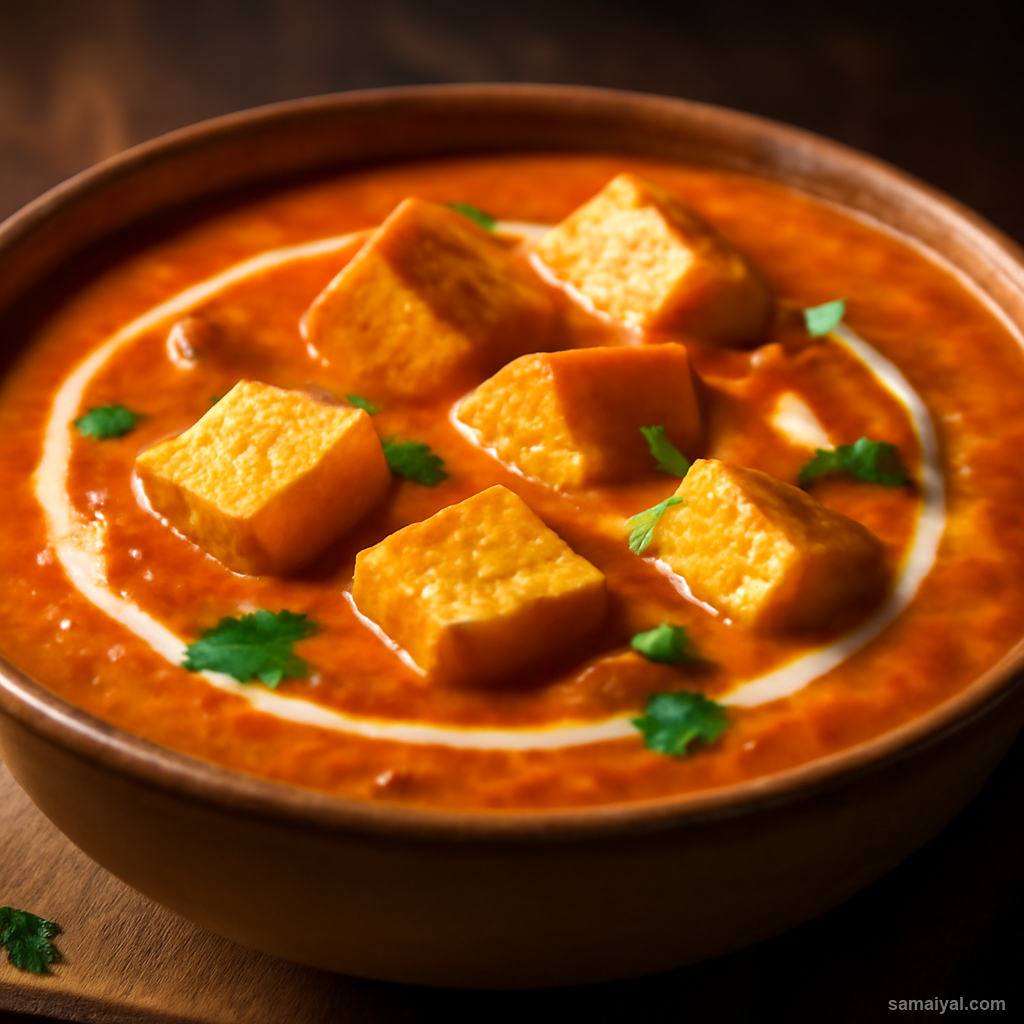
Butter Paneer Masala
Creamy tomato-based curry with soft paneer cubes — the all-time favourite of Indian...
Rice, dal and vegetable porridge — the ultimate one-pot comfort food of Arunachali homes

About Galho Rice Porridge: Galho is the Arunachali one-pot rice-dal-vegetable porridge — nourishing, warming and comforting on cold mountain days. Across Apatani, Adi, Galo, and Nyishi communities, galho is the everyday weeknight dinner — substantial enough to be a complete meal, simple enough to make in 45 minutes, satisfying enough that families return to it again and again. Reflects the highland Arunachali principle of one-pot cooking: combine carbohydrate (rice), protein (lentils), vegetables, and aromatics into one substantial meal that needs no accompaniments.
Understand the dish: Hearty rice-dal-vegetable porridge — thicker than soup, looser than risotto, with everything combined into one harmonious bowl. The seasoning is restrained — letting the rice, dal, and vegetables shine through with gentle aromatic backing.
Gather ingredients: 1 cup short or medium-grain white rice (long-grain basmati does not break down properly into porridge — wrong texture entirely; traditional Arunachali rice is the local short-grain rice), 1/2 cup toor dal (split pigeon pea, also called arhar dal — breaks down easily during cooking; substitute with split moong dal/yellow, masoor dal/red, or chana dal/split chickpea — each produces slightly different character), 2 cups mixed vegetables (traditional combination is 1 medium potato cubed, 1/2 cup green beans cut into 2cm pieces, and 1/2 cup pumpkin cubed; alternatives: carrot, peas, cabbage, sweet corn, or any firm vegetable — genuinely flexible), 1 medium onion finely chopped (5mm dice), 3 garlic cloves minced, 1-inch fresh ginger grated, 2 tbsp neutral cooking oil, 1 tsp turmeric powder, salt to taste — about 3/4 tsp, fresh coriander to garnish.
Wash and prepare: Wash rice and dal together in a wide bowl with cold water and gently swirl. Drain through a sieve. Repeat 2-3 times until water is mostly clear. Cover with cold water and soak 30 minutes — helps the rice and dal cook evenly. Drain in a sieve and let drip dry 5 minutes. Cube the potato into 1.5cm dice. Cut the green beans into 2cm pieces. Cube the pumpkin into 2cm dice. Aim for similar-sized pieces so they cook evenly. For best results, use a stovetop pressure cooker (Indian-style with whistle valve). Without a pressure cooker, use a heavy-bottomed pot with a tight-fitting lid (cooking time will be 45 minutes vs 20 minutes).
Fry the aromatics: Pour 2 tbsp neutral cooking oil into the pressure cooker over medium-high heat. Heat 30 seconds. Add the chopped onion and minced garlic. Stir-fry for 3 minutes, stirring often, until soft and just turning golden.
Add vegetables and stir-fry: Add all the prepared vegetables (potato, green beans, pumpkin). Stir for 2 minutes — vegetables will start to lightly cook in the spiced oil. The brief stir-frying develops the foundation flavour. Vegetables added directly to porridge water are flatter in flavour.
Add rice, dal, water, spices: Add the drained soaked rice and dal mixture. Stir to combine. Sprinkle in 1 tsp turmeric powder. Stir for 15 seconds. Pour in 4 cups of hot water. Add the grated ginger. Stir well. Add salt to taste — about 3/4 tsp.
The critical pressure cooking: Close the pressure cooker. Bring to high heat. Once whistles begin, cook for 3 whistles (typically 5-7 minutes total at high pressure). If using stovetop pot: bring to a boil, reduce heat to low, cover tightly, simmer for 35-40 minutes, stirring every 10 minutes.
Natural pressure release: Switch off the heat. Let the pressure release naturally — about 10 minutes. Do not force-release; the slow release allows the porridge to fully thicken. Once pressure has released, open the cooker. The porridge should look thick — rice and dal broken down into a substantial mass with vegetables visible throughout.
Light mash and check consistency: Use the back of a wooden spoon or a potato masher to lightly mash the porridge for about 30 seconds — break down some of the rice and lentils further for creamier consistency. Do not puree. Should be thick — like very thick soup or thin oatmeal, holding shape on a spoon for several seconds before slumping. If too thin, simmer 5 more minutes uncovered. If too thick, stir in 1/4 cup more hot water.
Final simmer and adjustments: Add more salt as needed (often 1/4 tsp more). Simmer uncovered for 5 minutes, stirring occasionally. This final simmer thickens the porridge to the right consistency and integrates final flavours. Should taste deeply nourishing, with rice and lentil character forming the foundation, vegetables providing texture, and gentle aromatic backing of garlic and ginger. For more pungency, add 1/2 tsp more grated ginger. For more aroma, add 1/4 tsp ground black pepper.
Garnish and serve: Switch off heat. Sprinkle 2 tbsp finely chopped fresh coriander over the top. Pour into deep bowls — each bowl should have plenty of porridge with visible vegetables. Galho is genuinely substantial enough to be a complete meal — no rice or bread needed alongside.
Serve enriched: For richer version, add 1 tbsp ghee on top of each bowl just before serving — melts beautifully into the warm porridge. For protein boost, top each bowl with 50g cooked smoked meat (recipe id 1113) or 1 boiled egg per bowl — produces a more substantial dinner. Particularly satisfying on cold mountain mornings or evenings — warming spices and substantial calorie content provide hours of physical warmth.
For restorative eating: Galho is exceptionally easy to digest — gentle on sensitive stomachs while providing complete nutrition. Many Arunachali families serve it during illness recovery. Children love galho — soft, mildly seasoned, easily eaten with a spoon. The combination of rice, dal, and vegetables provides complete nutrition. The porridge texture is gentle on chewing difficulty for the elderly.
Variations: Add 100g spinach or other leafy greens at the very end (final 5-minute simmer) — produces a more nutritious version. Or 1/4 cup grated coconut for richer character.
A cultural and nutritional note: As Arunachali families increasingly live in modern homes with electric kitchens, the dish remains beloved — proving that great cooking does not require complexity. Each serving provides complete protein (rice + dal combination), complex carbohydrates, fibre, vitamins from vegetables, and essential minerals. Genuinely complete nutrition in one bowl.
Leftover storage: Stored in fridge in an airtight container, galho keeps for 3-4 days and tastes even better the next day. The flavours mature beautifully overnight. Porridge thickens considerably when cold; refresh with 1/4 cup hot water before reheating gently on the stovetop.
⭐ Featured
Creamy tomato-based curry with soft paneer cubes — the all-time favourite of Indian...
 ⭐ Featured
Velvety spinach curry with golden-fried paneer — nutritious, vibrant and absolutely delicious.

Bold, tangy chickpea curry packed with spices — a street food staple that works as a main dish.

Dry-spiced potatoes and cauliflower — simple, aromatic, and endlessly satisfying.
Comments & Tips
Be the first to share your experience with this recipe!
Leave a Comment