
Mango Lassi
Thick yogurt blended with sweet Alphonso mangoes — cool, creamy and the perfect Indian...
Classic strong Assam milk tea — the drink that runs through the veins of Assam
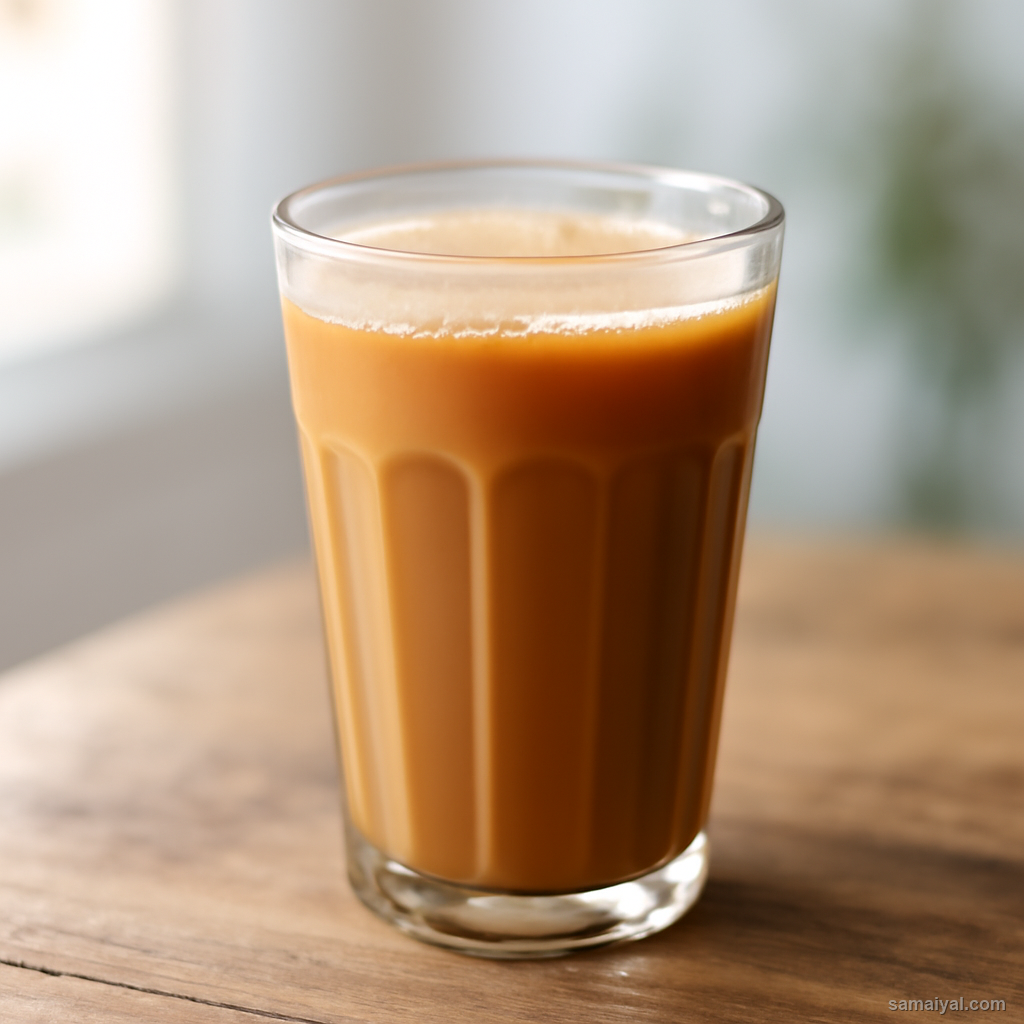
About Assam Milk Tea: Assam tea is the world's most consumed regional tea, malty and robust, grown in the steamy plantations along the Brahmaputra valley. The plain milk version — without spices, just tea, milk and sugar — is the daily drink of Assam, brewed three to five times a day in homes, offices and tea stalls.
Use genuine Assam tea: Use a strong CTC (crush-tear-curl) Assam black tea — the small dark granules sold at every Indian grocer. CTC produces a much darker, richer cup than orthodox loose-leaf. Avoid Darjeeling, which is too delicate, and avoid tea bags, which use lower-grade leaf dust.
Measure the tea: Use 2 tsp of loose Assam tea leaves for 3 cups of water. This may seem strong by Western tea standards but is essential — Assam tea is meant to be brewed strong enough to stand up to the milk and sugar.
Use whole milk: Use 1 cup of full-fat whole milk. Skimmed or low-fat milk produces a thin, watery tea without the rounded body that defines this cup. Plant-based milks generally do not work well; oat milk is the closest substitute if you must.
Prepare the cardamom (optional): If using cardamom, take 2 green cardamom pods. Crush lightly with the flat of a knife so the pods crack open. The pods and seeds both go in. Skip cardamom for the plainest, most traditional version.
Measure the water: Pour 3 cups of cold water into a small saucepan. The 3-cups-water-to-1-cup-milk ratio is the Assamese standard — strong tea, lightly milked. If you prefer a milkier tea, adjust to 2 cups water and 1 cup milk.
Boil the water: Place the saucepan over high heat. Bring the water to a rolling boil — full bubbles across the entire surface, not just simmering edges.
Add the tea leaves: Add the 2 tsp of Assam tea leaves to the boiling water. If using cardamom, add the crushed pods now. Stir once with a long spoon.
Boil for 3 minutes: Reduce heat to medium and let the tea boil hard for 3 minutes. Watch the colour develop from pale brown to a deep dark mahogany. Boiling is what extracts the depth and body characteristic of Assam tea — steeping like Western tea would not produce the same result.
Add the milk: Pour in 1 cup of whole milk slowly. Stir to combine. The colour will lighten dramatically to a rich tan-brown.
Bring back to a single boil: Increase the heat to high. Watch the pan carefully — milk tea rises rapidly and overflows the pan if unattended. As the tea rises and threatens to overflow, lift the pan momentarily off the heat, then return. Do this rise-and-lift just once, not multiple times like for masala chai.
Let it settle: Switch off the heat. Cover the pan with a lid and let the tea settle for 30 seconds. The tea leaves will sink to the bottom and any tannins will mellow.
Strain through a fine sieve: Place a fine-mesh sieve over a teapot or directly over each cup. Pour the tea through, pressing the leaves gently with the back of a spoon to extract every drop. Discard the spent leaves.
Sweeten and serve: Add 1-2 tsp sugar per cup. Stir to dissolve. Serve immediately while piping hot — Assam tea cools quickly and tastes flat once lukewarm. Pair with a biscuit or a piece of bread; the malty tea cuts through richer foods beautifully.
Thick yogurt blended with sweet Alphonso mangoes — cool, creamy and the perfect Indian...
 ⭐ Featured
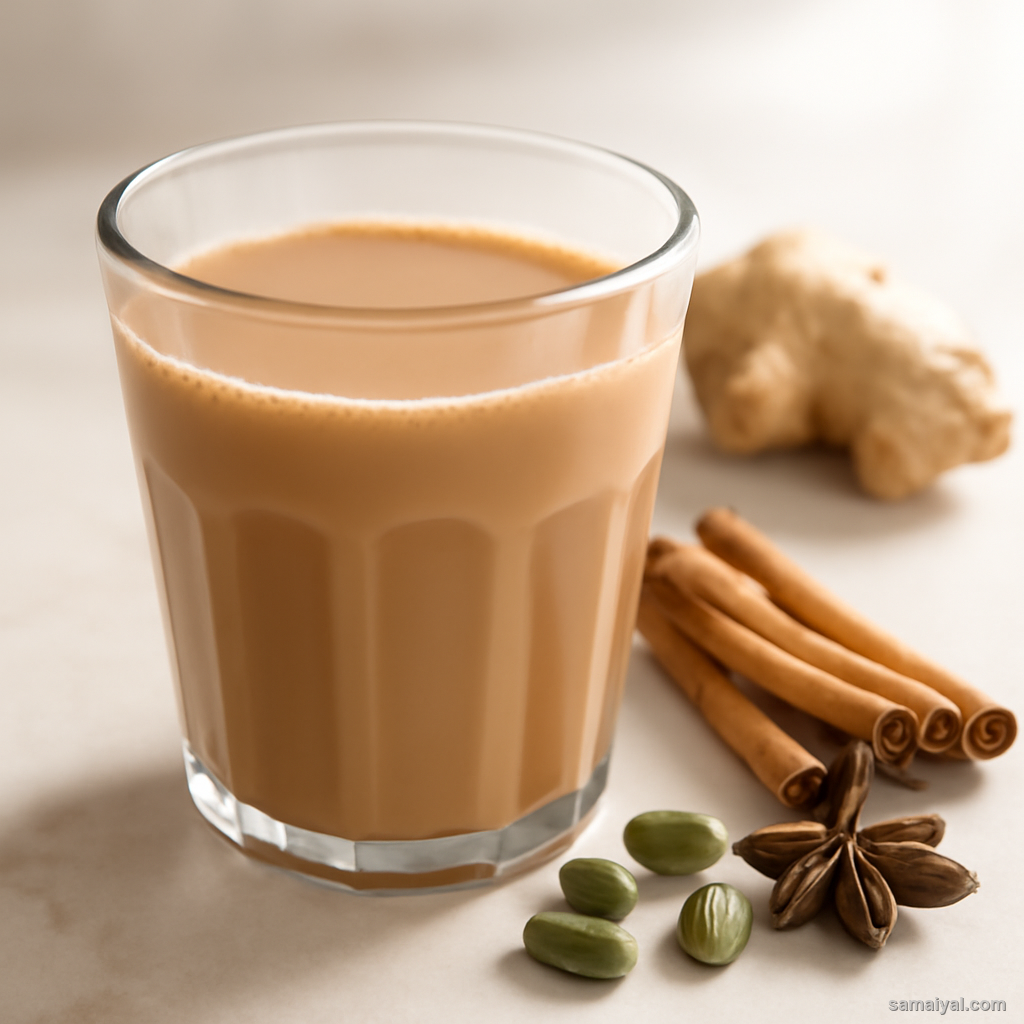
Spiced black tea with ginger, cardamom and cinnamon — India's universal warm embrace in a cup.

Chilled almond-spice-rose milk drink traditionally made for Holi — refreshing,...
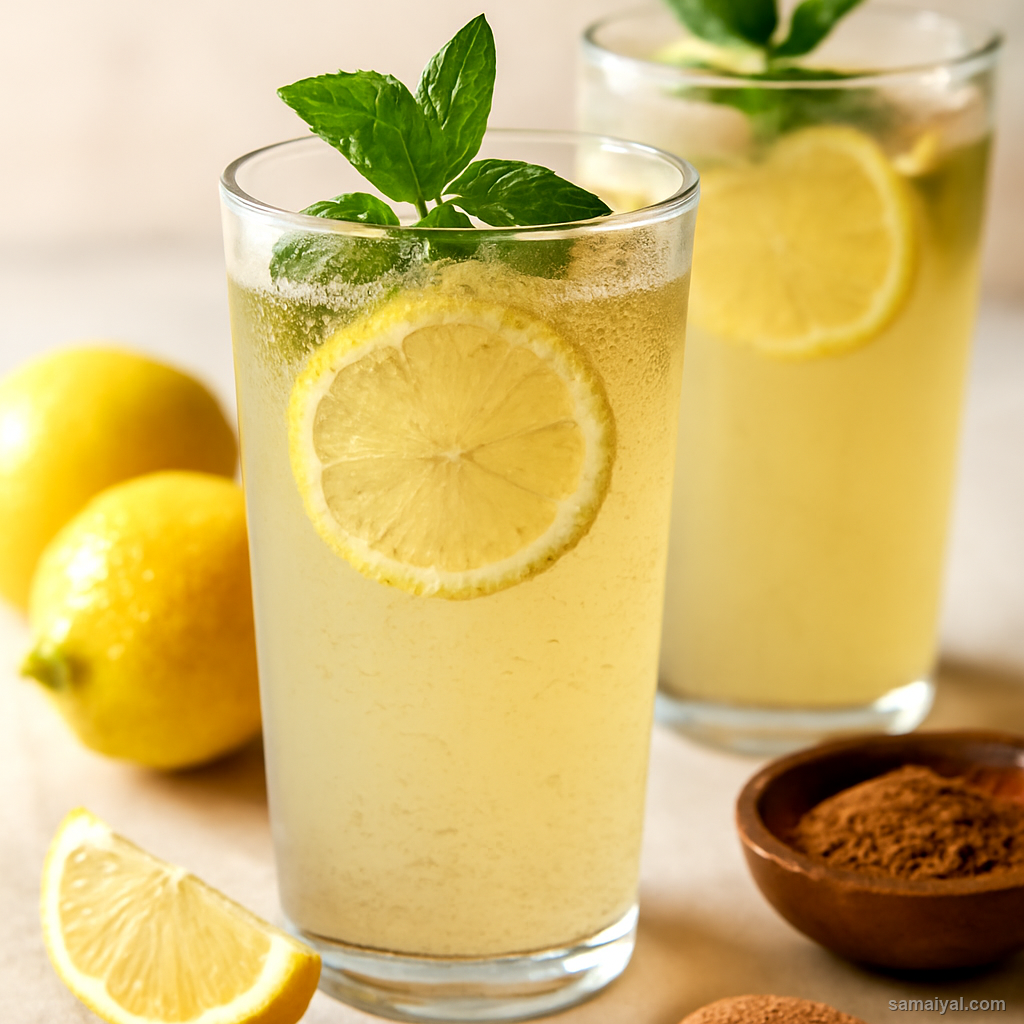
Indian spiced lemonade with roasted cumin and black salt — light, tangy and the best...
Comments & Tips
Be the first to share your experience with this recipe!
Leave a Comment