 ⭐ Featured
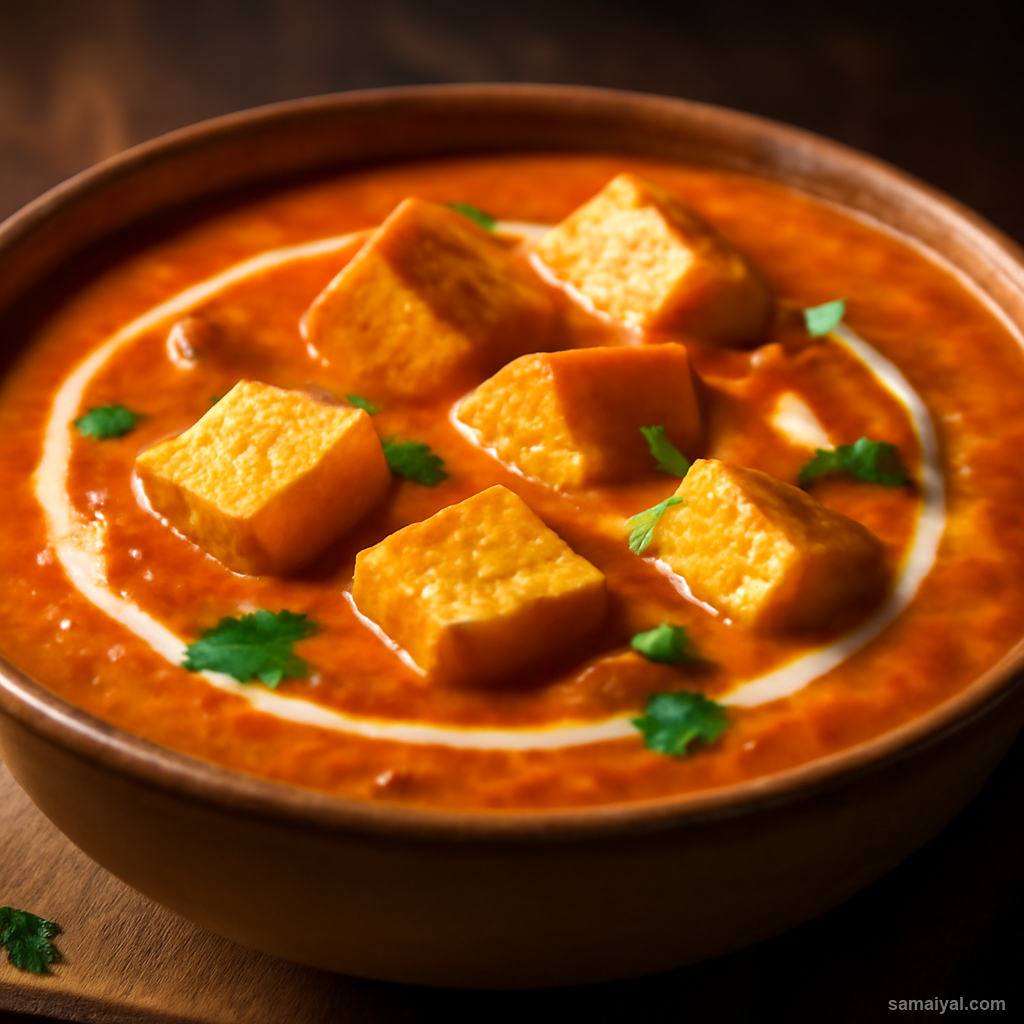
Butter Paneer Masala
Creamy tomato-based curry with soft paneer cubes — the all-time favourite of Indian...
Slow-cooked whole black urad with mustard oil and hing — the rustic protein lentil of Assam

About Assam Black Dal Slow: Whole black urad cooked low and slow is the foundation protein dal of Assamese rural cooking. Unlike the Punjabi dal makhani which uses cream and butter, the Assamese version is leaner — relying on mustard oil, asafoetida and slow cooking to develop deep flavour. The result is rustic, earthy and deeply satisfying. Pairs perfectly with steamed rice and a piece of pickle.
Understand whole black urad: Use 1 cup of whole black urad dal — not split, not skinned, not the white split version. The dal looks like small black beans with a slight bluish-purple tint. It is sold at every Indian grocer; you may also see it labelled as ma dal or sabut urad. Whole black urad is what gives this dish its character — split urad will not work.
Check and pick over: Spread the dal on a flat plate and pick over for any small stones, twigs or shrivelled beans. Black urad is one of the harder dals to clean visually, so do this step carefully.
Wash thoroughly: Place the dal in a wide bowl. Rinse in 4-5 changes of cold water until the water runs clear. The first wash will be quite dark — that is normal and just surface dust.
The critical overnight soak: Black urad takes much longer to cook than other dals. Cover with plenty of cold water (the dal will roughly double in size) and soak for 8 hours or overnight. Skipping the soak means cooking for 90+ minutes versus the 25 minutes a soaked dal needs. Discard the soaking water.
Rinse one more time: Drain the soaked dal and rinse once more under cold water. The drained beans should look plump and dark with a slightly soft texture.
Pressure cook with care: Place the soaked drained dal in a pressure cooker with 4 cups water and 1 tsp salt. Add 1/2 tsp oil to prevent foaming. Cook on high heat until you hear 6 whistles (about 12-15 minutes), then reduce to low heat and cook for 10 more minutes.
If no pressure cooker: Place soaked dal in a heavy pot with 5 cups water and salt. Bring to a boil, reduce heat to low. Simmer covered for 90-120 minutes, topping up water as needed. Test for doneness throughout.
Let pressure release naturally: Switch off the heat and let the pressure release on its own — about 15 minutes. Forced quick release can produce uneven cooking with hard centres.
Check doneness: Open the cooker. The beans should be completely soft — easily crushed between thumb and finger with no firm core. If still hard, cook for another 3 whistles. The cooking liquid will have turned a beautiful dark gravy colour.
Mash for body: Use the back of a wooden spoon to lightly mash about a quarter of the beans against the sides of the cooker. Leave most of the beans whole; just enough mashing to thicken the cooking liquid into gravy. This rustic body is essential — no cream or thickener is needed.
Understand asafoetida: Asafoetida (hing) is a strongly aromatic resin powder sold in small tubs at Indian groceries. It smells unpleasantly sulphury raw, but completely transforms when tempered in hot oil — adding a savoury, almost garlic-like backbone. Use 1 tsp for this dal.
Prepare the chillies and garlic: Take 2 dried red chillies. Snap each in half. Tap out and discard most seeds for milder heat. Take 3 garlic cloves. Peel and slice thinly into rounds.
Heat the mustard oil correctly: Pour 1 tbsp mustard oil into a wide pan or kadhai over medium-high heat. Heat for 30-45 seconds until just smoking, to remove the raw bitter edge.
Make the tempering: Reduce heat to medium. Add the broken dried red chillies. They will sizzle and turn a darker red. Add the sliced garlic. Stir for 30-45 seconds until the garlic turns golden but not dark. Add 1 tsp asafoetida — it will sizzle and the kitchen will fill with its savoury aroma.
Pour over the dal: Switch off the heat. Pour the entire sizzling tempering — oil, chillies, garlic and hing — over the cooked dal. The dal will hiss dramatically. Do not stir for 30 seconds.
Simmer to develop: Stir the tempering through the dal gently. Place the dal pot back on low heat. Simmer uncovered for 10 minutes, stirring every 2-3 minutes. The flavours will meld together and the dal will deepen in colour and develop the smoky, earthy character that defines this dish.
Adjust the consistency: The dal should be moderately thick — like a thick stew, with whole beans visible in a slightly creamy gravy. If too thick, stir in 1/2 cup hot water; if too thin, simmer 2-3 more minutes uncovered.
Final seasoning: Taste a spoonful. The dal should taste warmly earthy, slightly smoky from the slow cook, with the deep savoury backbone of hing and the gentle heat from chillies. Adjust salt — usually no more is needed.
Garnish and serve: Switch off the heat. Sprinkle 2 tbsp finely chopped fresh coriander over the top. Serve hot over plain steamed rice — the most traditional Assamese pairing. The combination of warm rice and rich black dal is one of the most satisfying simple meals in Indian cooking.
Leftover note: Stored in the fridge in an airtight container, this dal keeps for 3-4 days and tastes even better the next day after the flavours have deepened. Reheat gently on the stovetop with a splash of water — never boil aggressively, which can break the beans.
⭐ Featured
Creamy tomato-based curry with soft paneer cubes — the all-time favourite of Indian...
 ⭐ Featured
Velvety spinach curry with golden-fried paneer — nutritious, vibrant and absolutely delicious.

Bold, tangy chickpea curry packed with spices — a street food staple that works as a main dish.

Dry-spiced potatoes and cauliflower — simple, aromatic, and endlessly satisfying.
Comments & Tips
Be the first to share your experience with this recipe!
Leave a Comment