 ⭐ Featured
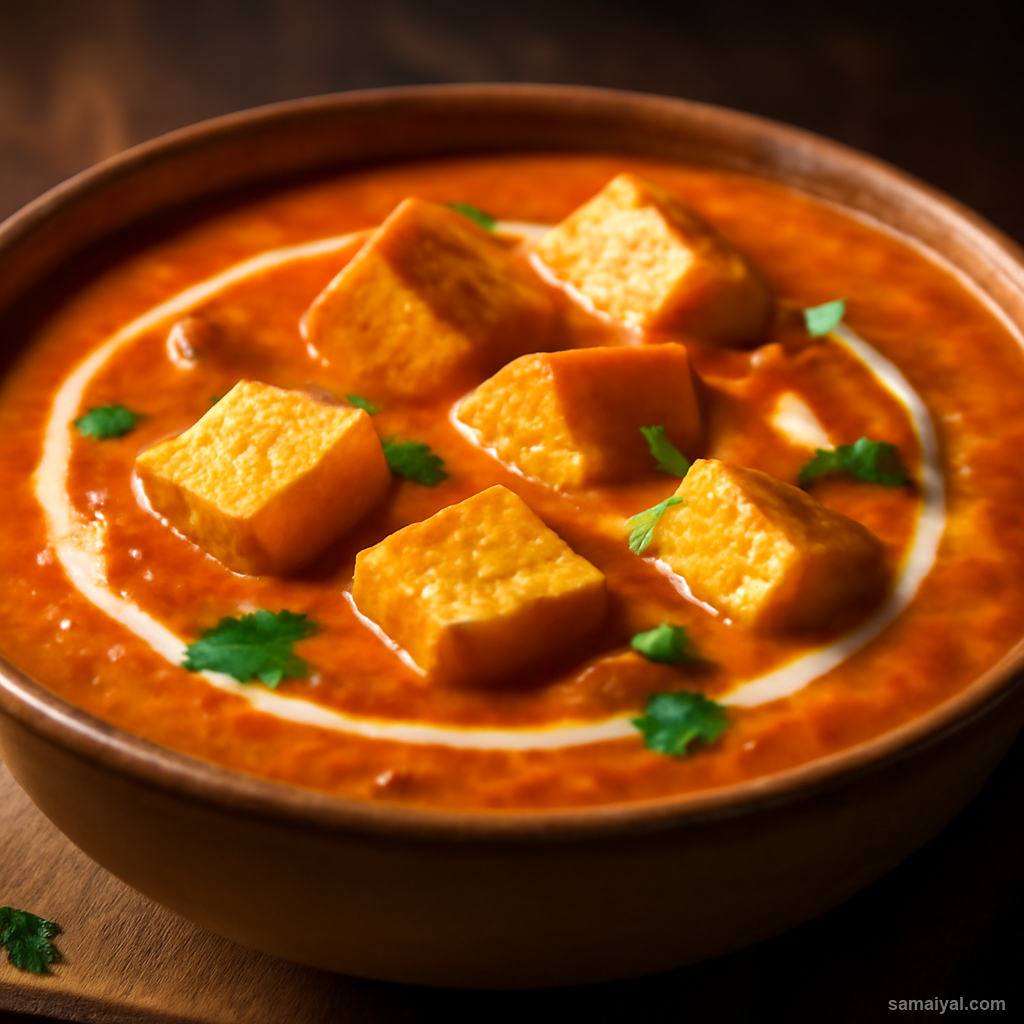
Butter Paneer Masala
Creamy tomato-based curry with soft paneer cubes — the all-time favourite of Indian...
Red lentil dal with mustard oil tempering — the everyday Assamese weekday dal
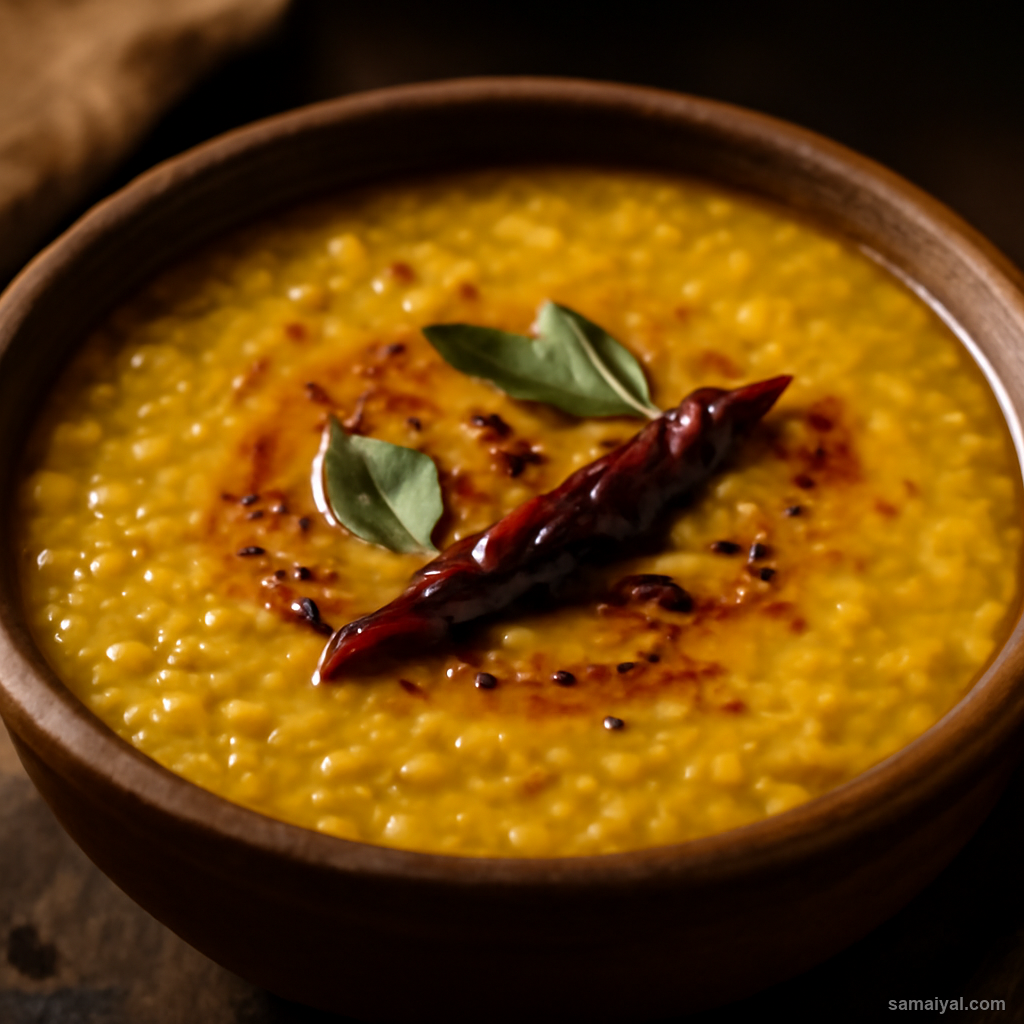
About Masur Dal Assam: Masur Dal is the weekday workhorse of Assamese cooking — fast (under 30 minutes), nutritious and full of flavour thanks to the mustard oil tempering. Red lentils cook quickly into a soft creamy dal, and the Assamese signature finish of a sizzling tempering with onions, garlic and dried red chillies in mustard oil transforms what would otherwise be a simple lentil dish into something distinctly regional.
Choose split red lentils: Use 1 cup of split red lentils (masoor dal). They are small, salmon-orange, and split. Whole brown masoor takes much longer to cook and produces a different texture; this recipe is specifically for the split kind.
Wash thoroughly: Wash the dal in 4-5 changes of cold water until the water runs clear. Removing the surface starch prevents the dal from going foamy and unpleasant when cooked.
No soaking needed: Unlike heavier dals, split masoor cooks fast without soaking. Drain after washing.
Cook the dal: Place the washed dal in a heavy pot. Add 3 cups water and 1 tsp turmeric powder. Bring to a boil over medium-high heat.
Skim the foam: As the dal comes to a boil, white foam will rise to the surface. Skim it off with a spoon and discard — this foam contains compounds that can cause digestive discomfort, and removing it keeps the dal clean and bright.
Reduce and simmer: Once skimmed, reduce heat to medium-low. Simmer uncovered for 18-20 minutes, stirring every 5 minutes. The dal will gradually break down — the lentils first soften, then start to lose their shape, finally turning into a soft creamy mass.
Mash gently for body: Use the back of a wooden spoon to lightly mash the dal against the side of the pot until smooth and creamy. Some texture is fine and traditional; do not pure smooth.
Adjust the consistency: The dal should be like a thick soup — pourable but not watery. If too thick, add 1/2 cup hot water; if too thin, simmer 2-3 more minutes uncovered. Aim for a consistency where a wooden spoon dragged through leaves a brief trail before flowing back.
Prepare the dal seasoning: Add salt to taste — about 3/4 tsp. Stir to dissolve. Keep the dal warm on the lowest heat setting while you prepare the tempering.
Prepare the tempering ingredients: Take 1 medium onion. Peel and chop into fine 5mm dice. Take 3 garlic cloves. Crush, peel and slice thinly into rounds. Take 2 dried red chillies. Snap each in half; tap out and discard most of the seeds for milder heat.
Understand the Assamese tadka: This is the most flavour-defining step. The tempering for Assamese masur dal uses substantial amounts of mustard oil, onion and garlic — much more than the Bihari or Bengali versions. The deep frying of these aromatics is what gives the dal its signature character.
Heat the mustard oil correctly: Pour 2 tbsp mustard oil into a small tempering pan or any small pan over medium-high heat. Heat for 30-45 seconds until just smoking — this removes the raw bitterness.
Add dried red chillies first: Reduce heat to medium. Add the broken dried red chillies. They will sizzle and turn a darker red. Fry for 15 seconds.
Add the onion: Add the chopped onion. Stir-fry for 4-5 minutes on medium heat, stirring constantly. The onion should turn deep golden brown — not pale, not burnt. The deep colour is essential for the Assamese character.
Add the garlic: Add the sliced garlic. Stir for 1-2 minutes until the garlic also turns golden — almost crispy. Take care not to burn it; well-browned garlic is sweet and nutty, while burnt garlic is bitter.
The critical pour-over moment: Switch off the heat under the tempering pan. Immediately pour the entire sizzling tempering — oil, chillies, onion and garlic — over the warm dal in the main pot. The dal will hiss dramatically and the kitchen will fill with the aroma of fried onions and mustard oil. Do not stir for 30 seconds — let the heat soak into the surface.
Fold in the tempering: Stir the tempering through the dal gently. The dal will turn from pale golden to a richer warm orange-brown, with little flecks of crispy fried onion and garlic visible throughout.
Final simmer: Place the dal pot back on low heat. Simmer for 5 more minutes, stirring once. This brief final simmer lets the tempering flavours infuse the entire dal.
Taste and adjust: Taste a spoonful. The dal should hit you with multiple flavours — earthy lentils, deeply caramelised onion, sharp golden garlic, smoky chilli, pungent mustard oil. Adjust salt — usually no more is needed.
Garnish and serve: Switch off the heat. Sprinkle 2 tbsp finely chopped fresh coriander over the top. Some Assamese homes also squeeze a few drops of fresh lemon juice into each bowl just before eating, which brightens the dal beautifully.
Serve with rice: Serve hot over plain steamed rice — the most traditional Assamese pairing. The dal is filling enough to be a meal with rice and a piece of pickle. For a more substantial meal, pair with fish curry or vegetable side dishes.
For leftover meals: Stored in the fridge in an airtight container, this dal keeps for 3-4 days. Reheat gently with a splash of water on the stovetop. The dal thickens overnight; thin with water before reheating.
Variations: Some Assamese homes add 1 chopped tomato along with the onion in the tempering — produces a slightly tangier version. Others add 1 tbsp axoni (fermented soybean) for an umami boost. The basic technique remains the same.
⭐ Featured
Creamy tomato-based curry with soft paneer cubes — the all-time favourite of Indian...
 ⭐ Featured
Velvety spinach curry with golden-fried paneer — nutritious, vibrant and absolutely delicious.

Bold, tangy chickpea curry packed with spices — a street food staple that works as a main dish.

Dry-spiced potatoes and cauliflower — simple, aromatic, and endlessly satisfying.
Comments & Tips
Be the first to share your experience with this recipe!
Leave a Comment