 ⭐ Featured
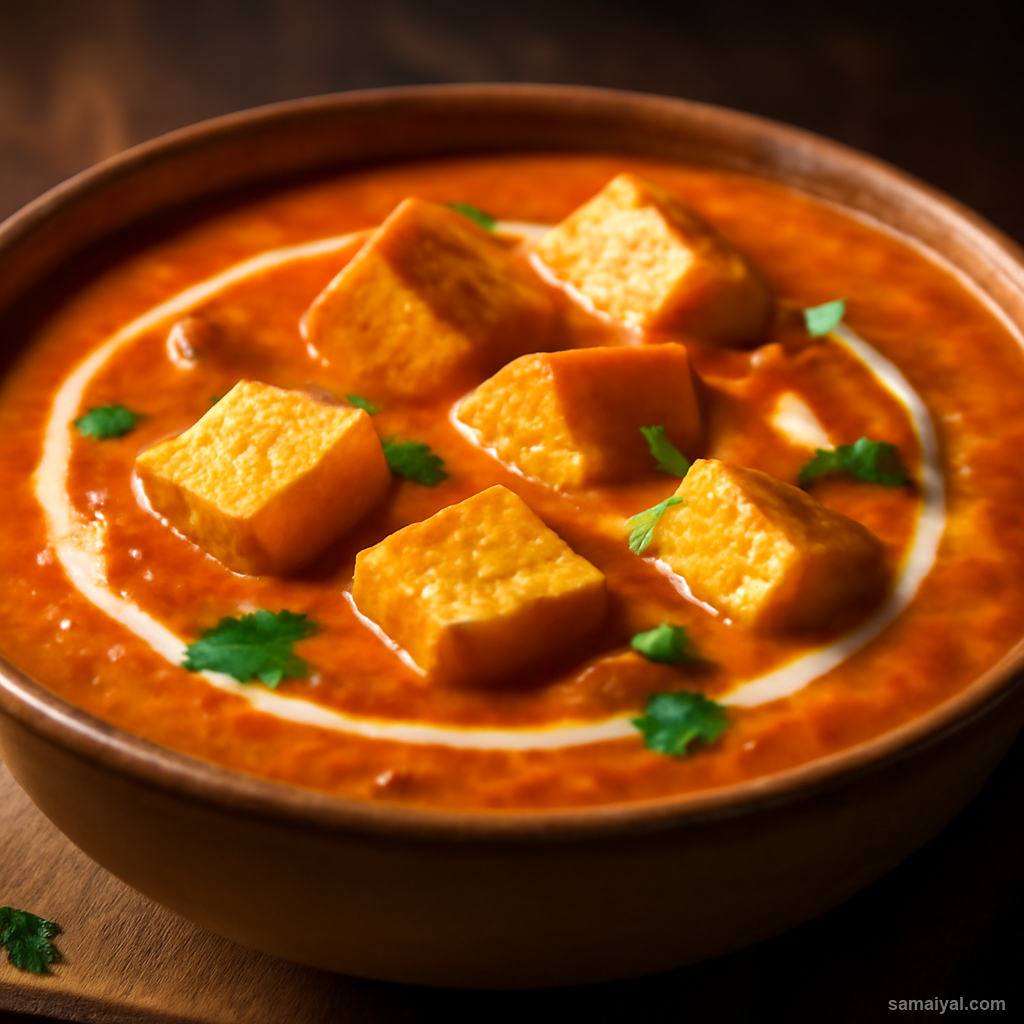
Butter Paneer Masala
Creamy tomato-based curry with soft paneer cubes — the all-time favourite of Indian...
Tender young bamboo shoots stir-fried with garlic and sesame — the prized spring vegetable of Arunachal

About Young Bamboo Stir Fry: Young bamboo shoots in spring are among the most prized fresh vegetables in Arunachal. Their tender sweetness needs minimal cooking — heavy spicing or long cooking destroys the delicate character. The Arunachali approach is restrained: simple aromatics, a quick high-heat stir-fry, sesame finishing oil. The result celebrates the unique flavour of fresh young bamboo — slightly sweet, gently astringent, almost like artichoke heart in character.
Understand the seasonality: Fresh young bamboo shoots emerge in spring (March-May depending on variety). Outside this season, only canned or fermented bamboo is available — both produce different dishes. This recipe specifically requires fresh young bamboo for proper character.
The critical cyanide-compound warning: Raw bamboo shoots contain cyanogenic glycosides that can be toxic. The blanching step is essential for safety — never skip it. Properly prepared bamboo is completely safe and delicious.
Source fresh young bamboo: Use 300g of fresh young bamboo shoots. Available at specialty Asian groceries (look for "fresh bamboo shoots" or "winter bamboo shoots") or directly from bamboo growers if you live in a bamboo-cultivation region.
Identify quality young bamboo: The shoots should look pale yellow-cream, feel firm and dense, and have tightly closed tips. Old bamboo (which has started growing into stalks) has darker, fibrous, woody character that does not work for this dish.
The critical preparation: Bamboo shoots come encased in tough green/brown sheaths. Strip away these outer sheaths to expose the pale yellow inner shoot. Use a sturdy knife — the sheaths can be tough.
After sheathing, you have the edible inner core: The core should look pale yellow-cream, smooth, and slightly fibrous. From 300g whole bamboo, you should get about 200g of inner edible shoot.
The critical fibre check: At the base (where the shoot connects to the root), the fibres can be tough. Cut off the bottom 1-2cm if it feels woody. The middle and tip portions are the prized parts.
Slice the bamboo: Cut the prepared bamboo shoots into 3cm pieces, then halve or quarter each piece lengthwise depending on the diameter. Aim for bite-size pieces about 5mm thick.
The critical blanching: This step is non-negotiable for safety. Bring a large pot of water to a rolling boil. Add 1 tsp salt. Add the sliced bamboo. Boil hard for 5 minutes — this removes the cyanogenic compounds completely.
Drain and rinse: Drain in a colander. Rinse briefly under cold water (10 seconds) to stop the cooking and prevent the bamboo from going too soft.
Let drip dry: Let the blanched bamboo drip dry for 2-3 minutes. Wet bamboo dilutes the stir-fry.
The doneness test: The blanched bamboo should be tender but still firm — easily bitten through but with slight resistance. It should taste mildly sweet, gently astringent, with no bitterness.
If still slightly bitter: Some bamboo varieties retain slight bitterness even after blanching. Boil 2-3 more minutes if needed.
Prepare the garlic: Take 3 garlic cloves. Peel and slice thinly into rounds. Sliced garlic stays visible in the final dish, providing bursts of flavour.
Prepare the green chilli: Take 1 fresh green chilli. Slit lengthwise. Adjust quantity to your heat tolerance — the dish is meant to have gentle heat, not overwhelming.
Prepare the sesame seeds: Use 1 tsp sesame seeds. Toast briefly in a small dry pan over medium heat for 90 seconds, shaking often, until popping softly and lightly golden. Cool completely.
Measure the sesame oil: Use 1 tsp toasted sesame oil. Use the dark brown toasted sesame oil (not the light raw sesame oil). This is for finishing — never cook with sesame oil at high heat.
Measure the cooking oil: Use 1 tbsp neutral cooking oil for the stir-fry — peanut oil is most authentic.
Use a wok or wide pan: Use a wok or wide flat-bottomed pan. The wider the pan, the better the stir-fry — too narrow a pan steams instead of frying.
The critical high heat: Place the pan over very high heat for 2 minutes before adding any oil — empty pan getting smoking hot. This is essential for proper stir-fry.
Add the oil: Add the 1 tbsp neutral oil. Swirl to coat. The oil should shimmer immediately on contact with the hot pan.
Fry the garlic: Add the sliced garlic to the very hot oil. Stir constantly for 30 seconds until fragrant and just turning golden. Watch carefully — garlic burns fast at high heat.
Add bamboo and chilli: Add the blanched bamboo shoots and slit green chilli. Toss vigorously with a flat spatula or wooden spoon.
The critical hard fry: Stir-fry on very high heat for 3 minutes, tossing every 15-20 seconds. The bamboo will gradually develop slightly browned edges and the kitchen will fill with the unique sweet-aromatic smell of fresh bamboo cooking.
Why hard fry: The high-heat treatment develops the slightly caramelised edges that highlight the bamboo's natural sweetness. Lower heat steams the bamboo and produces a flat, less interesting dish.
Add salt: Sprinkle salt to taste — about 1/2 tsp. Toss to combine.
The finishing sesame oil: Switch off the heat. Drizzle the 1 tsp toasted sesame oil over the bamboo. Toss gently to coat.
Why finishing oil: Toasted sesame oil's fragrance is volatile and burns off at high heat. Adding at the very end preserves the full nutty aroma.
The sesame seeds: Sprinkle the toasted sesame seeds over the top. Toss briefly to integrate.
Final taste: Taste a piece. The bamboo should be tender but still firm, sweet with subtle astringency, gently warmed by chilli, with the deep nutty character of toasted sesame coming through. The texture should be juicy-crisp.
Serve immediately: Young bamboo stir-fry tastes best within 5 minutes of cooking, while still warm and the textures are at their peak.
Serve as a side dish: Traditionally served as a small side — about 1/2 cup per person — alongside steamed rice and a heartier main dish like meat curry or fish.
Serve with rice: Pair with plain steamed rice and any meat or fish curry. The fresh bamboo provides bright contrast to rich gravy dishes.
Serve with smoked meat: Particularly excellent alongside smoked meat dishes — the fresh young bamboo balances the intense smoky character.
For a vegetarian feast: Combine with banana flower stir-fry (recipe id 1156) and a simple dal for a complete vegetarian Arunachali meal showcasing seasonal forest vegetables.
The seasonal cooking philosophy: Eating young bamboo specifically in spring is the heart of Arunachali seasonal cooking. The dish appears for only a few weeks each year — making each meal special and memorable.
A cultural and ecological note: Bamboo cultivation supports thousands of Arunachali families. The plant is exceptionally fast-growing and provides shoots, building material, and craft material. The fresh young bamboo dish celebrates the most prized form of this remarkable plant. Eating it in season connects you to the agricultural rhythm of Arunachal Pradesh.
Leftover storage: Best made fresh and eaten immediately. Stored in the fridge in an airtight container, the dish keeps for 1 day. The bamboo loses its delicate fresh character with refrigeration; better to make fresh.
⭐ Featured
Creamy tomato-based curry with soft paneer cubes — the all-time favourite of Indian...
 ⭐ Featured
Velvety spinach curry with golden-fried paneer — nutritious, vibrant and absolutely delicious.

Bold, tangy chickpea curry packed with spices — a street food staple that works as a main dish.

Dry-spiced potatoes and cauliflower — simple, aromatic, and endlessly satisfying.
Comments & Tips
Be the first to share your experience with this recipe!
Leave a Comment