 ⭐ Featured
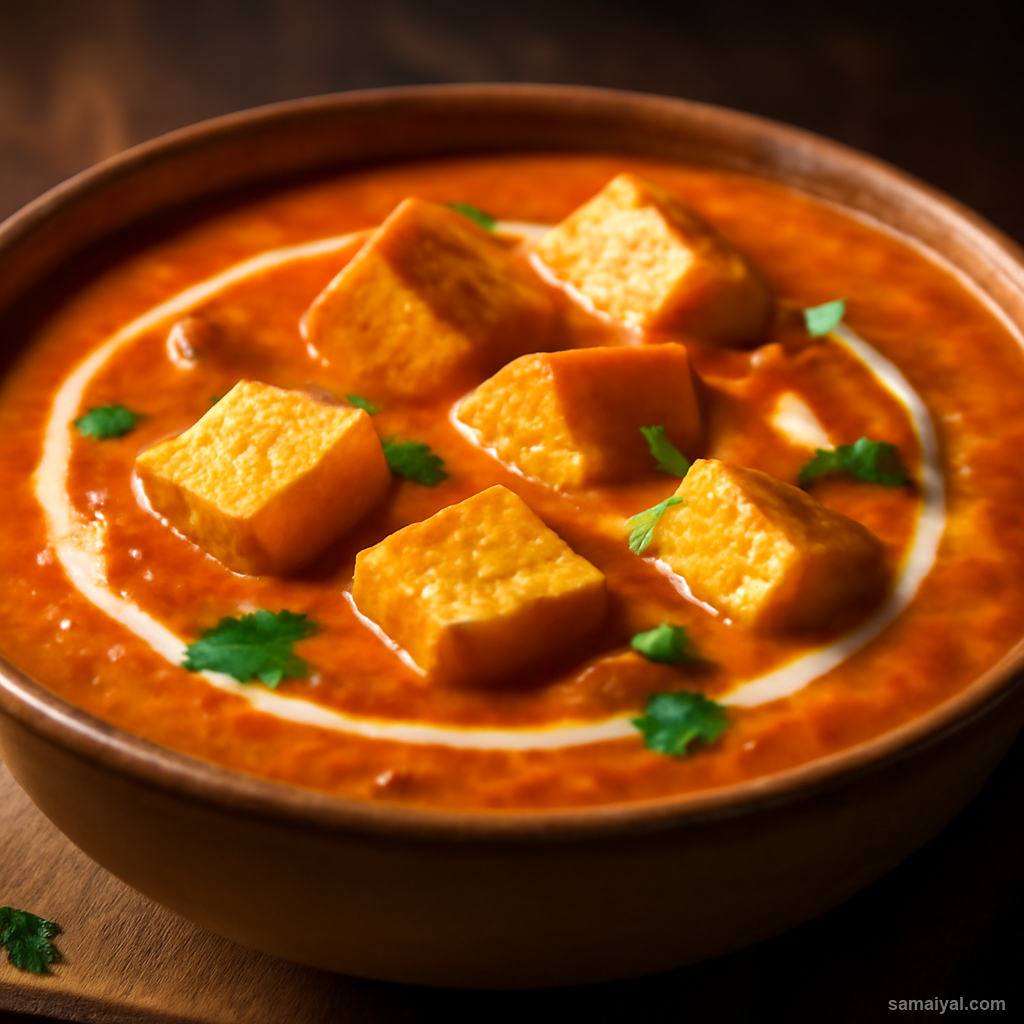
Butter Paneer Masala
Creamy tomato-based curry with soft paneer cubes — the all-time favourite of Indian...
A lightly spiced, thin preparation of mixed lentils finished with a strong mustard oil garlic tempering — the simplest everyday dal of the Garhwal region, cooked quickly and eaten hot with any Pahadi flatbread.

Wash the lentils: Wash toor dal and masoor dal together in several changes of water until mostly clear.
Pressure cook: Combine washed lentils in a pressure cooker with 3 cups water and turmeric. Cook on high for first whistle then medium for 3 to 4 whistles. This mixed dal cooks quickly — both toor and masoor are soft-cooking lentils.
Mash and season: Open after pressure releases. Stir and mash partially. Add salt. The dubke dal should be thinner than chainsoo or gahat — a flowing, pourable consistency.
Heat mustard oil until smoking: Heat 3 tbsp mustard oil until smoking, reduce to medium.
Add garlic: Add coarsely crushed garlic. Fry for 30 to 40 seconds until golden. In Pahadi cooking, garlic is always fried until golden — more thoroughly than in plains cooking — extracting more flavour.
Add cumin, dried chilli and asafoetida: Add cumin seeds — crackle. Add dried red chilli and asafoetida. Stir 15 seconds.
Add red chilli powder: Turn to low. Add red chilli powder. Stir 20 seconds.
Pour tempering into dal: Pour the entire hot mustard oil tempering into the dal. The oil will sizzle and the garlic fragrance will rise through the dal.
Simmer together: Cook on medium-low heat for 5 more minutes.
Serve: Scatter coriander leaves. Serve hot with mandua roti, wheat roti or rice. Dubke is the quick everyday dal — on the Pahadi table within 20 minutes.
Note: Dubke is the simplest, fastest dal of the Garhwal hills — named for the bubbling (dubkana = to bubble or dip in Garhwali) that happens when the hot mustard oil tempering is poured into the dal. When cooking time is short and the dal must be ready before the flatbread burns, Pahadi cooks make dubke. It is the quick weekday dal as opposed to the slow-cooked chainsoo or gahat that require longer preparation.
⭐ Featured
Creamy tomato-based curry with soft paneer cubes — the all-time favourite of Indian...
 ⭐ Featured
Velvety spinach curry with golden-fried paneer — nutritious, vibrant and absolutely delicious.

Bold, tangy chickpea curry packed with spices — a street food staple that works as a main dish.

Dry-spiced potatoes and cauliflower — simple, aromatic, and endlessly satisfying.
Comments & Tips
Be the first to share your experience with this recipe!
Leave a Comment