 ⭐ Featured
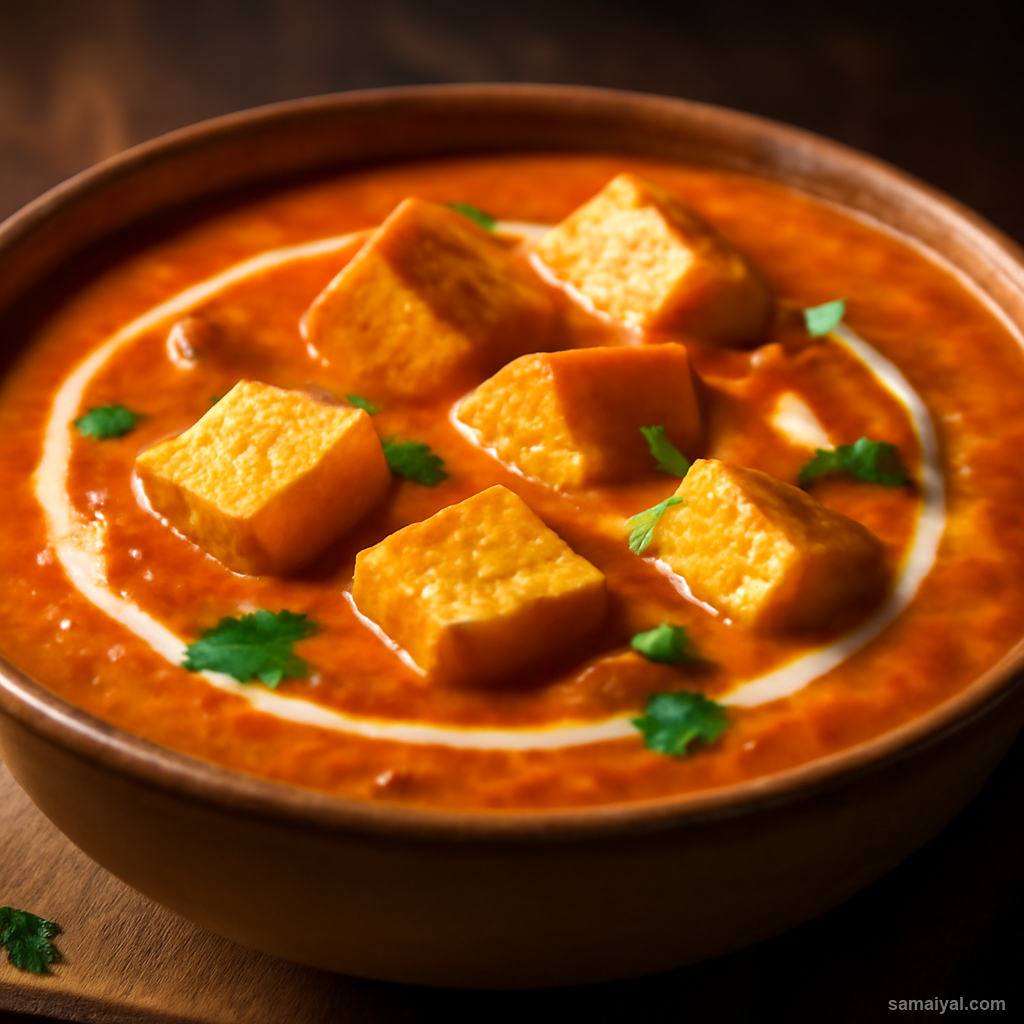
Butter Paneer Masala
Creamy tomato-based curry with soft paneer cubes — the all-time favourite of Indian...
Blanched stinging nettle leaves stir-fried with potato and garlic in mustard oil — a preparation of the Lepcha indigenous community of Sikkim, who have foraged nettles from Himalayan forests for generations as a spring nutritional food.

Handle raw nettles safely: Wear rubber or kitchen gloves when handling raw stinging nettles. The tiny needle-like stingers inject formic acid causing a burning sting — this is completely neutralised by blanching.
Blanch the nettles: Bring a pot of water to a rolling boil. Wearing gloves, add the nettles. Boil for 3 to 4 minutes. Drain immediately. Run cold water over them. After blanching, the nettles are completely safe to handle bare-handed.
Squeeze and chop: Squeeze the blanched nettles firmly to remove all water. Roughly chop into 3 to 4 cm pieces.
Boil the potatoes: If not already done, boil potatoes in salted water until cooked. Peel and cube into 1.5 cm pieces.
Heat mustard oil until smoking: Heat 3 tbsp mustard oil until smoking. Reduce to medium.
Fry garlic: Add crushed garlic. Fry 30 to 40 seconds until golden.
Add cumin and dried chilli: Add cumin seeds — crackle. Add dried red chilli. Stir 15 seconds.
Add nettles: Add the blanched, squeezed, chopped nettles. Add turmeric and salt. Stir and cook on medium heat for 3 minutes.
Add potato: Add the cubed boiled potato. Add red chilli powder. Stir gently and cook 3 to 4 minutes until the potato heats through and develops light golden patches.
Serve: Garnish with sliced spring onions. Serve with steamed rice.
Note: Sishnu (stinging nettle) is one of the most important foraged wild foods of the Lepcha indigenous community of Sikkim — the Lepcha people, considered the original inhabitants of Sikkim, have used nettle as food and fibre for thousands of years. The Lepcha make clothing from nettle fibre and food from the leaves. In spring, when nettles are young and tender, sishnu is collected from the forest and cooked as one of the first fresh greens after the cold winter months.
⭐ Featured
Creamy tomato-based curry with soft paneer cubes — the all-time favourite of Indian...
 ⭐ Featured
Velvety spinach curry with golden-fried paneer — nutritious, vibrant and absolutely delicious.

Bold, tangy chickpea curry packed with spices — a street food staple that works as a main dish.

Dry-spiced potatoes and cauliflower — simple, aromatic, and endlessly satisfying.
Comments & Tips
Be the first to share your experience with this recipe!
Leave a Comment