 ⭐ Featured
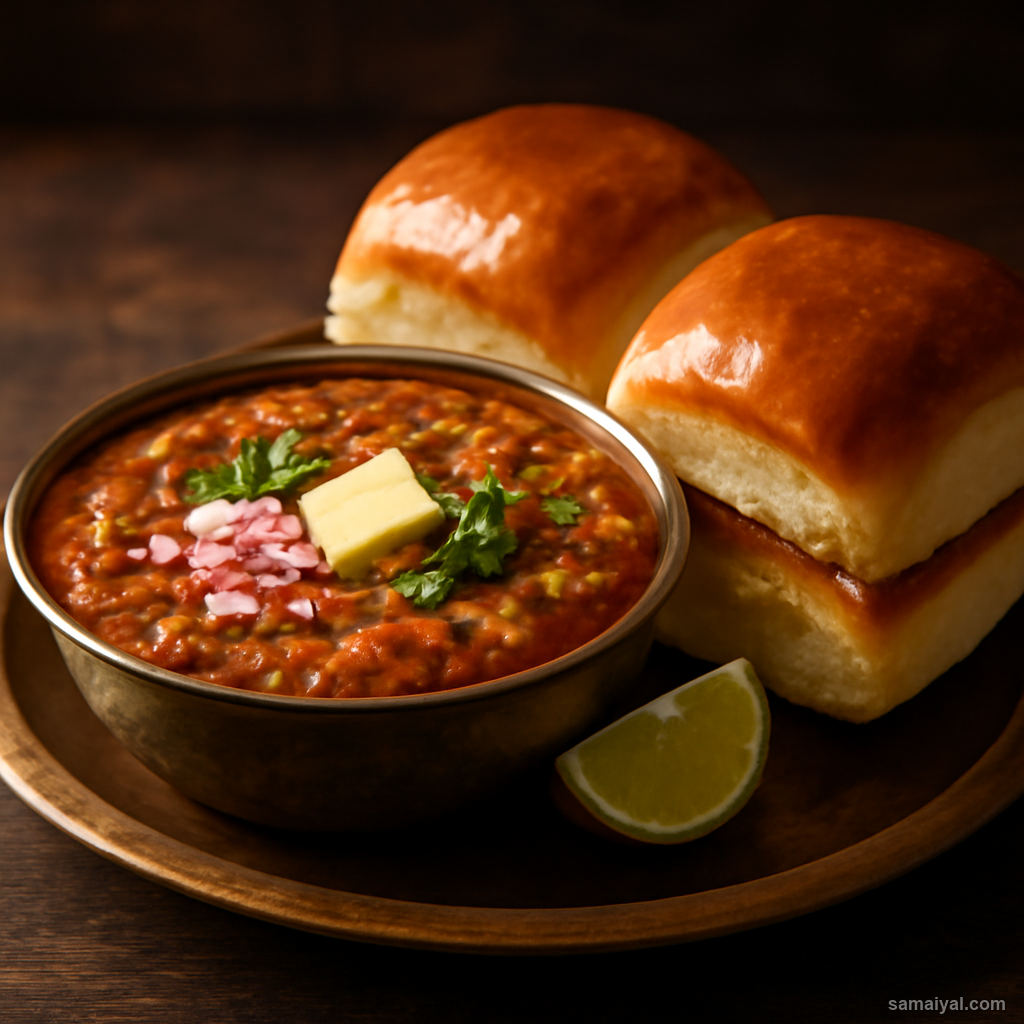
Pav Bhaji
Mumbai's beloved mashed vegetable curry served on butter-toasted soft buns — street food gold.
Paper-thin bitter gourd chips fried crispy — the village way of making bitter gourd irresistible.
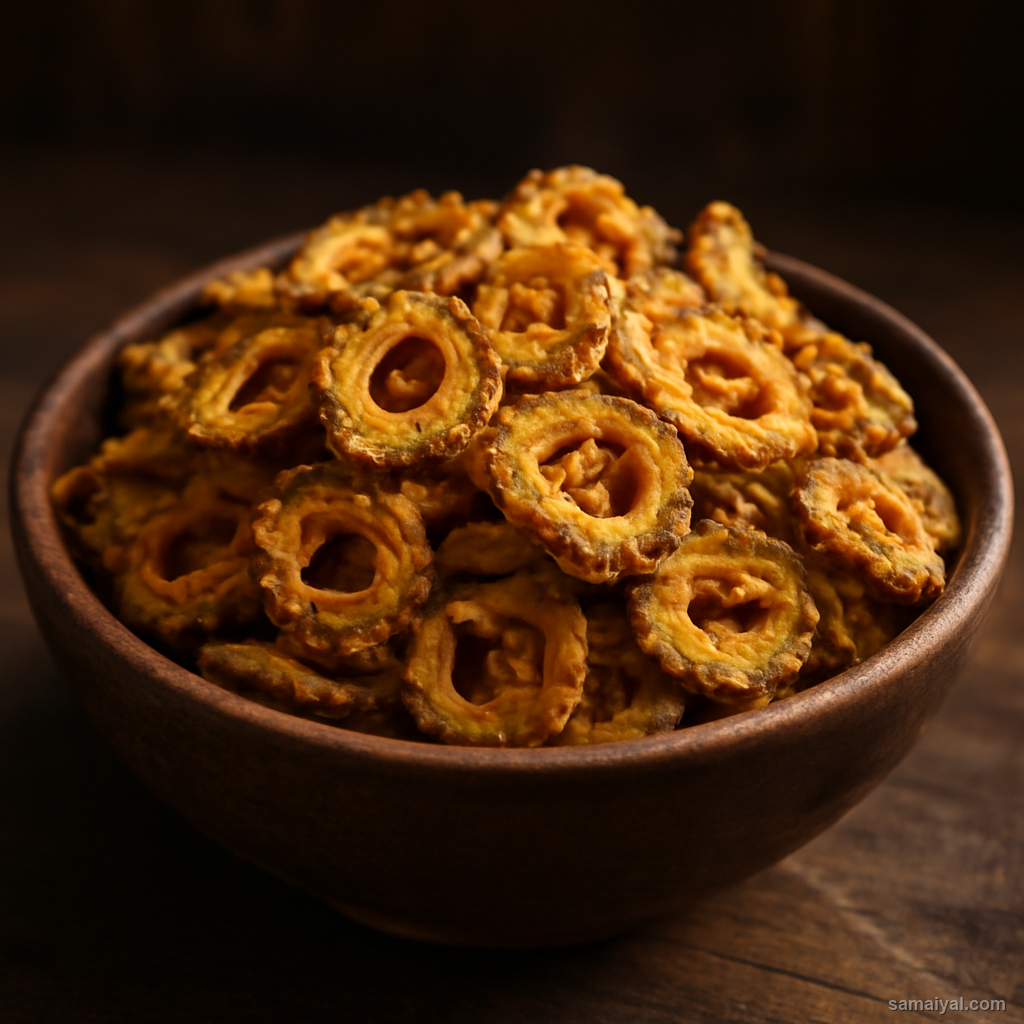
About Pavakkai Chips: Pavakkai chips convert even bitter-gourd-haters. Sliced paper-thin and fried crispy, the bitterness becomes pleasantly faint. Across rural Tamil Nadu, the village wisdom about bitter gourd is centuries old: bitter gourd is genuinely good for blood sugar management, but the bitterness limits how much most people will eat. The thin-fried chips solve the palatability problem while preserving most of the medicinal benefit. Even children who hate other bitter gourd preparations often enjoy these chips.
Medicinal context: Bitter gourd is traditionally used in Tamil and Ayurvedic medicine for blood sugar management. Modern research has identified compounds (charantin, vicine, polypeptide-p) that may have insulin-like effects. People with diabetes are often encouraged to eat bitter gourd. IMPORTANT note: if you take blood sugar medication, the genuine glucose-lowering effects of bitter gourd can interact with your medication. Discuss with your doctor before consuming bitter gourd regularly.
Gather ingredients: 3 medium bitter gourds (Tamil "pavakkai," Hindi "karela" — choose firm, deep green; yellow patches indicate over-ripeness with too aggressive bitterness and mushy texture), 1 tbsp salt for the squeeze step, 1/2 tsp salt for the spice coating, 1 tsp red chilli powder, 1/4 tsp turmeric powder, 1/2 tsp rice flour (creates a light coating that crisps up beautifully), neutral cooking oil for deep frying.
Paper-thin slicing: Wash the bitter gourds in a colander under cold running water for 30 seconds, gently scrubbing the ridged surface. Cut off both ends — about 1cm from each end. Use a mandoline (preferred) or a very sharp knife to slice the bitter gourd into 2mm thick rounds. Slice the entire bitter gourd including seeds — the seeds are part of the chips. Thin slicing is essential — thicker slices retain too much bitterness; the 2mm thickness is the sweet spot. Aim for consistent 2mm thickness throughout — uniform slicing produces uniform cooking.
The critical salting: Place the sliced bitter gourd in a wide bowl. Sprinkle generously with 1 tbsp salt. Toss thoroughly to coat every slice. The salt draws out the bitter water through osmosis. This is the key step that transforms bitter gourd from intolerable to tasty. Let the salted bitter gourd rest for 15 minutes at room temperature. During this time, you will see liquid pooling at the bottom of the bowl — this is the bitter water being drawn out.
The critical squeezing: After 15 minutes, take handfuls of the salted bitter gourd and squeeze HARD between your palms. The goal is to expel as much of the bitter liquid as possible. Continue squeezing handful by handful until all slices have been squeezed. Discard the squeezed-out liquid. Insufficient squeezing leaves residual bitterness — the squeezing is genuinely the key to good chips. Do not rush this step.
Dry the slices: After squeezing, spread the bitter gourd slices on a clean kitchen towel or kitchen paper. Pat very dry with another towel. Wet slices cause dangerous oil splatter and produce soggy chips. For maximum crispness, spread the squeezed slices on a tray and let air-dry for 30 minutes — this extra step produces noticeably better chips.
Make the spice coating: In a small bowl combine 1 tsp red chilli powder, 1/4 tsp turmeric powder, 1/2 tsp rice flour, and 1/2 tsp salt. Add the dried bitter gourd slices to the spice mixture. Toss gently to coat each slice. Slices should look uniformly coated.
Heat the oil: Use a heavy-bottomed kadhai with at least 4cm of oil depth. Use enough neutral cooking oil to submerge the chips fully — typically 3-4 cups. Heat the oil over medium heat. Test by dropping one bitter gourd slice — should sizzle immediately and rise to surface within 5 seconds. Target: 170-175°C (340-350°F). Too hot burns; too cool absorbs oil and produces greasy chips.
Fry in batches: Add about 10-15 slices at a time to the hot oil. Do not crowd — overcrowded slices stick together and steam rather than fry. The chips will start sizzling vigorously. Use a slotted spoon to gently move them around for even frying.
The critical 3-minute fry: Cook each batch for 3 minutes total. At 1 minute, chips are pale green-yellow. At 2 minutes, light golden. At 3 minutes, deep golden-brown — the right colour for crispy chips. Tamil-style pavakkai chips are meant to be deeply browned, almost dark — produces maximum crispness and gentlest residual bitterness. Use a slotted spoon to lift out the cooked chips. Drain over the pan briefly. Place on kitchen paper to absorb additional surface oil.
The critical second salting: While the chips are still hot, sprinkle a pinch more salt over them. The salt sticks better to hot chips than cool ones. Continue frying batch after batch until all bitter gourd is cooked. Total cooking time: about 20-25 minutes.
Serve immediately: Bitter gourd chips are at peak crispness within 30 minutes of frying. Serve with curd rice (the classic Tamil pairing — cooling curd rice balances the slight bitterness and crispy heat of chips). Equally classic with rasam rice (the combination of slightly bitter crispy chips with tangy rasam-soaked rice is a Tamil afternoon classic) or sambar rice. Eat with hot tea or coffee for a simple but memorable evening snack. Cooled chips travel well in lunch boxes — pack in a paper-lined container, stay crispy for 4-6 hours.
For diabetes management, children, summer heat: For those with diabetes, including bitter gourd chips with meals can support healthier blood sugar response. Bitter gourd is genuinely good for children's nutrition (rich in vitamins A and C, iron, potassium) — the chips form is the most child-acceptable way to introduce bitter gourd. Tamil farmers eat bitter gourd chips during summer months when the body is overheated. The cooling effect of bitter foods on the body (a concept called "thanmai" in Tamil) is genuinely real — bitter foods promote internal balance.
Variations: Some Tamil families add 1/4 tsp asafoetida to the spice coating — produces additional aromatic depth. Others add 1/2 tsp curry leaves powder for South Indian aromatics.
A cultural note: Pavakkai chips represent Tamil rural ingenuity — taking a vegetable that most people dislike (bitter gourd) and transforming it into a beloved snack. The technique reflects centuries of trial and error, refining the salt-squeeze-fry method to its current perfection.
Leftover storage: Stored in an airtight container at room temperature, the chips keep for 1-2 weeks but lose some crispness. Refresh by warming briefly in a 150°C oven for 3-5 minutes. Best eaten within 2-3 days of frying.
⭐ Featured
Mumbai's beloved mashed vegetable curry served on butter-toasted soft buns — street food gold.

Fluffy steamed chickpea flour cake from Gujarat — light, spongy, tangy and totally addictive.

Mumbai's vegetarian burger — spiced potato dumpling in a fried batter, served in a...
 ⭐ Featured
Crispy golden pastry filled with spiced potatoes and peas — India's most loved snack,...
Comments & Tips
Be the first to share your experience with this recipe!
Leave a Comment