 ⭐ Featured
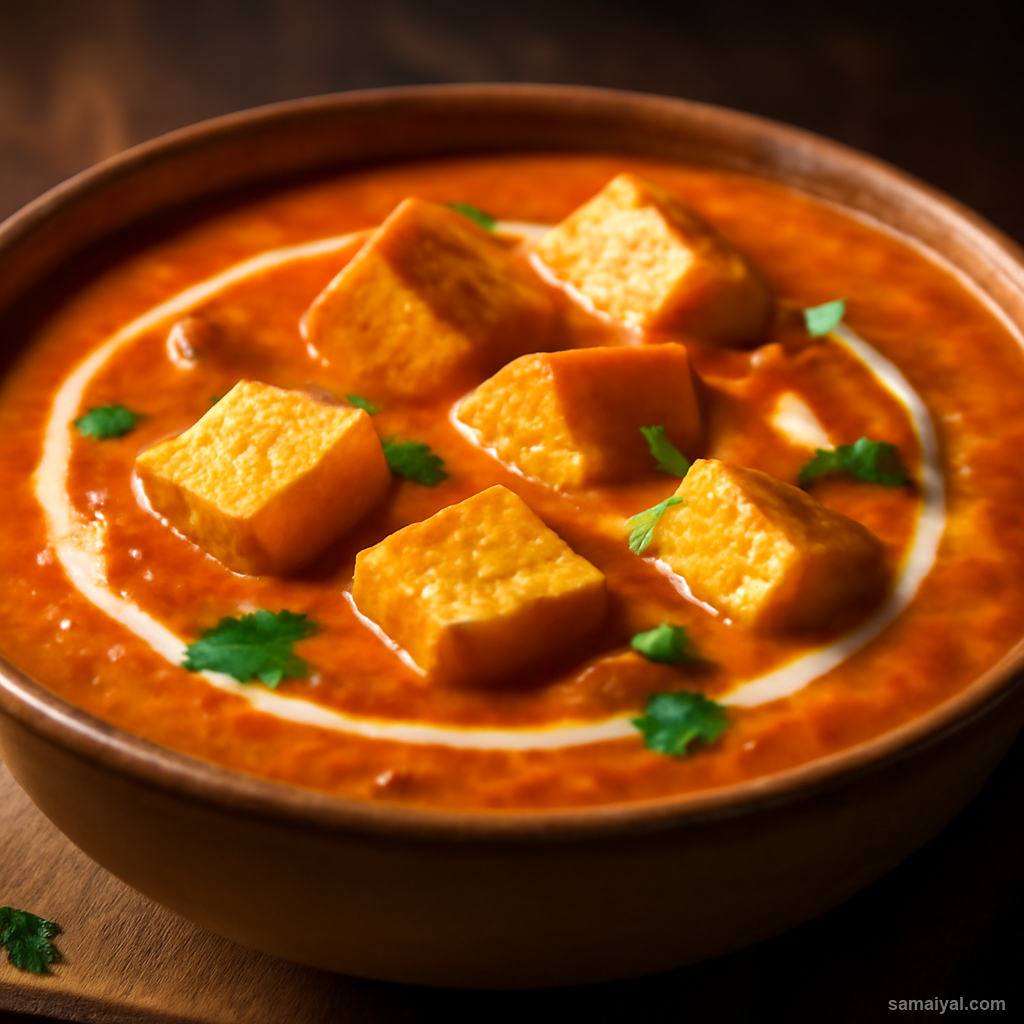
Butter Paneer Masala
Creamy tomato-based curry with soft paneer cubes — the all-time favourite of Indian...
Seasonal vegetables cooked with minimal water and spices until just tender — a dry, lightly spiced vegetable preparation that is one of the most nutritious everyday dishes of Odisha. Made without oil in traditional versions.

Prepare the vegetables: Peel and cut all vegetables into medium pieces — about 2 to 3 cm. In santula, the vegetable pieces are larger than in most other preparations — they are meant to be distinctly tasted individually.
Heat minimal oil: In a wide, heavy pan heat just 1 tsp mustard oil — or no oil at all for the most traditional version. The technique of this dish is to cook the vegetables in their own moisture rather than in oil.
Add panch phoron and dried chilli: If using oil, add panch phoron to the warm oil and let the seeds crackle. Add dried red chilli. If using no oil, add the panch phoron directly to a dry pan briefly.
Add all vegetables together: Add all the cut vegetables to the pan. Add turmeric, slit green chilli and ginger paste. Stir gently once to mix.
Add minimal water: Add just 3 to 4 tbsp water — enough to create steam but not enough to drown the vegetables. The idea is to cook by steam produced from the vegetables themselves and this small amount of added water.
Cover and cook: Cover the pan tightly. Cook on low-medium heat for 12 to 15 minutes. Check every 5 minutes — if the pan looks dry, add 1 more tbsp water.
Check doneness: After 12 minutes, open the lid and pierce different vegetables with a fork — all should be tender but not mushy. Each type of vegetable will have retained some character.
Season: Add salt. Stir gently — avoid breaking up the vegetable pieces.
Cook off remaining moisture: Cook uncovered for 2 minutes to evaporate any remaining liquid. Santula should be dry — no liquid pooling at the bottom.
Garnish and serve: Add a small amount of fresh grated coconut and coriander leaves. Serve with steamed rice and dalma.
Note: Santula is the everyday side dish of Odia cooking — made with whatever seasonal vegetables are available and with minimal spicing to let the natural vegetable flavours come through. The low-oil or no-oil preparation makes it one of the most nutritious of all Indian regional vegetable dishes. It is served at the Jagannath Temple in Puri as part of the mahaprasad and is central to the Odia concept of balanced eating.
⭐ Featured
Creamy tomato-based curry with soft paneer cubes — the all-time favourite of Indian...
 ⭐ Featured
Velvety spinach curry with golden-fried paneer — nutritious, vibrant and absolutely delicious.

Bold, tangy chickpea curry packed with spices — a street food staple that works as a main dish.

Dry-spiced potatoes and cauliflower — simple, aromatic, and endlessly satisfying.
Comments & Tips
Be the first to share your experience with this recipe!
Leave a Comment