 ⭐ Featured
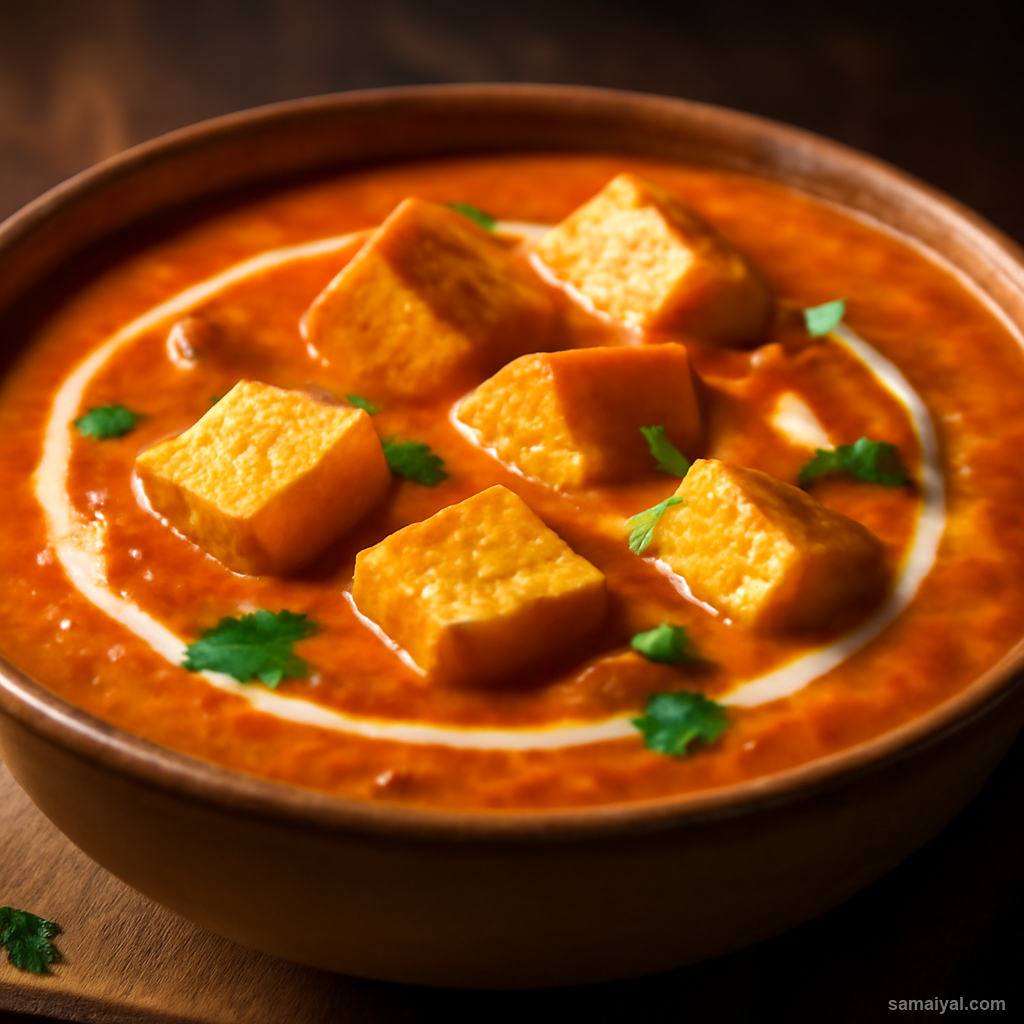
Butter Paneer Masala
Creamy tomato-based curry with soft paneer cubes — the all-time favourite of Indian...
Fermented soybean and vegetable stew — the Nyishi tribe's nourishing everyday curry

About Ngam Peh Vegetable Stew: Ngam Peh is built on pehak fermented soybean paste. The Nyishi tribe technique combines pehak with fresh seasonal vegetables to produce a deeply nourishing stew with characteristic umami depth. Across Nyishi, Apatani, Adi, and Galo communities, ngam peh is traditional comfort food.
Understand pehak: Pehak is fermented soybean paste — see recipe id 1111 for full preparation. Available pre-made at Northeast Indian groceries. Substitute with miso or fermented black bean sauce — different but produces similar umami depth. The dish requires fermented soybean character; fresh soybean does not produce the right depth.
Gather ingredients: 2-3 tbsp pehak (fermented soybean paste — measure based on pehak strength; use less if your pehak is very strong), 500g mixed seasonal vegetables (traditional Arunachali combination is 200g cubed potato, 200g cubed pumpkin, 100g chopped green beans, plus optional 50g sliced mushrooms; alternatives: cabbage, cauliflower, bok choy, eggplant, carrots), 1 medium onion thinly sliced, 4 garlic cloves minced, 1.5-inch fresh ginger grated, 2 tbsp neutral cooking oil, 1 tsp turmeric powder, 1/2 tsp red chilli powder (or 2 fresh green chillies slit), 4 cups water or vegetable broth, salt to taste — about 1/2 tsp (pehak provides much salt, so go light), fresh coriander to garnish, 2 tbsp finely chopped spring onions for finishing, optional 200g cubed pork belly/chicken/firm tofu for protein boost.
Prepare the vegetables: Cube the potato into 1.5cm dice. Cube the pumpkin into 2cm dice. Cut the green beans into 3cm pieces. Slice the mushrooms thinly. Aim for similar-sized pieces so they cook evenly.
Fry the aromatics: Use a heavy-bottomed pot (3-litre size). Pour 2 tbsp oil over medium-high heat. Heat 30 seconds. Add sliced onion and minced garlic. Stir-fry 3 minutes, stirring often, until soft and just golden.
Add longer-cooking vegetables: Add cubed potato and cubed pumpkin first. Stir for 4 minutes — vegetables start to lightly cook in the spiced oil. The brief stir-frying develops flavour foundation.
Add spices and ginger: Sprinkle in 1 tsp turmeric and 1/2 tsp red chilli powder (or add slit green chillies). Add the grated ginger. Stir for 30 seconds — spices bloom in hot oil.
Add remaining vegetables: Add the green beans and mushrooms. Stir for 1 minute — quick-cooking vegetables integrate.
Add water and pehak: Pour in 4 cups water (or vegetable broth for richer character). Stir to combine. Add 2-3 tbsp pehak fermented soybean paste — start with 2 tbsp and adjust based on taste. Stir vigorously to fully integrate the pehak — at first the paste may be lumpy but gradually breaks down.
The critical 25-minute simmer: Reduce heat to medium-low. Cover and simmer for 25 minutes — vegetables fully cook through, pehak fully integrates with the broth, flavours mature.
Final flavour adjustment: Add salt to taste — about 1/2 tsp more (pehak provides much salt; go conservatively). Should taste deeply satisfying — fermented soybean umami forming the foundation, vegetables providing sweetness and texture, gentle warming spices, fresh ginger brightness. The flavour profile is unique. If not assertive enough, add 1 tsp more pehak. If too intense, simmer 5 more minutes uncovered.
Garnish and serve: Switch off heat. Sprinkle 2 tbsp finely chopped fresh coriander and 2 tbsp finely chopped spring onions over the top. Serve hot in deep bowls — soup should be substantial, with visible vegetables in the cloudy umami-rich broth. Pair with plain rice or marua finger millet roti (recipe id 1108) for a complete Arunachali eating experience. Particularly satisfying on cold mountain days.
For children, vegetarians, healthy eating: Children may initially find pehak's fermented character unusual; ngam peh introduces it gradually through the broth. Naturally vegetarian (without protein additions), providing complete amino acids from the pehak and accompanying rice/roti. The dish is genuinely healthy.
Variations: For protein boost, add 200g cubed pork belly during the long-cooking vegetable stage. For more elaborate version, add 1/4 cup chopped fresh fenugreek leaves at the end. Some Apatani families add 100g chopped bamboo shoots along with the vegetables. For traditional smoked addition, add 50g chopped smoked pork (recipe id 1113) — produces a deeply complex version.
A cultural and nutritional note: The ngam peh tradition reflects centuries of Arunachali fermentation wisdom — using pehak's concentrated umami to transform simple seasonal vegetables into deeply satisfying meals. Each serving provides exceptional protein from pehak, vitamins from vegetables, fibre, B vitamins, and beneficial probiotic compounds.
Leftover storage: Stored in fridge in an airtight container, ngam peh keeps for 3-4 days and tastes even better the next day. The flavours mature beautifully overnight. Reheat gently on the stovetop with a splash of water if it has thickened.
⭐ Featured
Creamy tomato-based curry with soft paneer cubes — the all-time favourite of Indian...
 ⭐ Featured
Velvety spinach curry with golden-fried paneer — nutritious, vibrant and absolutely delicious.

Bold, tangy chickpea curry packed with spices — a street food staple that works as a main dish.

Dry-spiced potatoes and cauliflower — simple, aromatic, and endlessly satisfying.
Comments & Tips
Be the first to share your experience with this recipe!
Leave a Comment