 ⭐ Featured
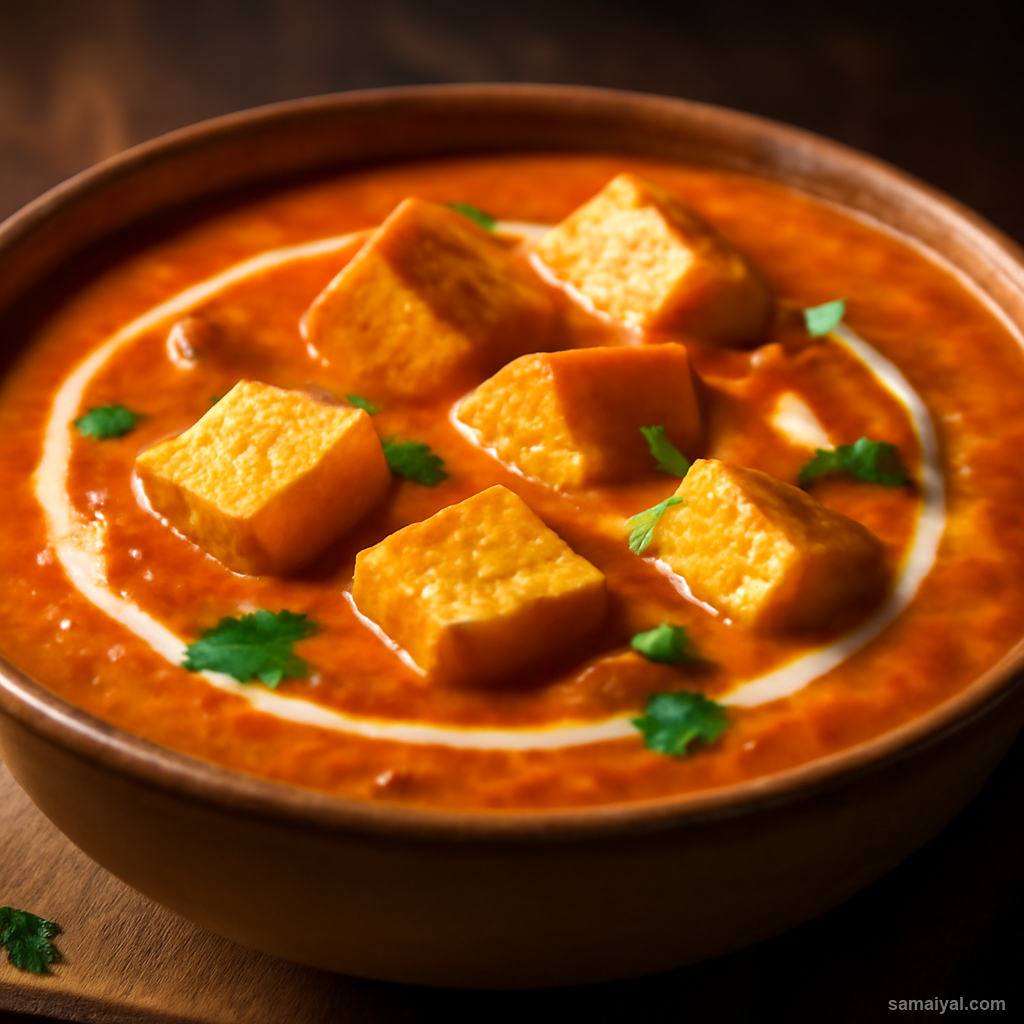
Butter Paneer Masala
Creamy tomato-based curry with soft paneer cubes — the all-time favourite of Indian...
Kerala-style thoran — dry stir-fry of moringa leaves (muringa ila) with fresh coconut in coconut oil.
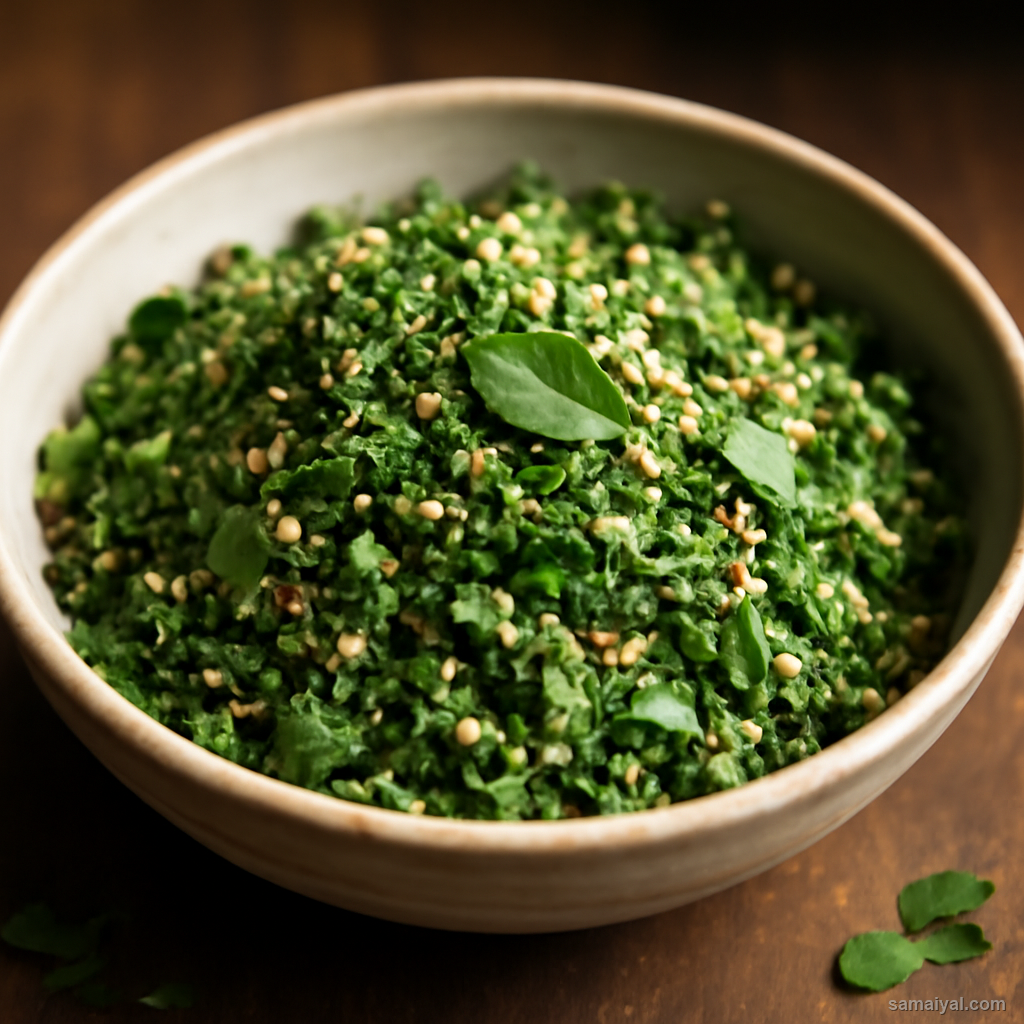
About Moringa Leaf Thoran: Moringa Leaf Thoran is the exceptionally nutritious Kerala dry stir-fry of moringa (drumstick) leaves with fresh coconut and coconut oil. Moringa leaves are genuinely one of the most nutritionally exceptional vegetables on Earth — gram for gram, more vitamin C than oranges, more calcium than milk, more iron than spinach, more potassium than bananas, and complete protein with all essential amino acids.
Follow the foundational thoran technique: See Beans Thoran (recipe id 578). Note: like amaranth, leafy thoran wilts leaves before adding coconut mixture.
Gather ingredients: 300g moringa leaves (called muringa ila in Malayalam, murungai keerai in Tamil), 1/2 cup fresh grated coconut, 2 tbsp coconut oil, 1 tsp mustard seeds, 2 dried red chillies, 1 sprig curry leaves, 2 finely chopped green chillies, 3 finely sliced shallots, 1/4 tsp turmeric, 1 tsp cumin seeds, salt to taste.
The critical leaf-stripping and washing: Moringa leaves are tiny (1-2cm) and clinging to thin stems — they must be stripped before cooking. Hold a stem at the base. Run fingers down the stem in a stripping motion — small leaves pull off into your hand. Discard the fibrous stems. Place stripped leaves in a wide bowl of cold water, swirl, drain. Repeat 2-3 times. Pat dry with a clean cloth.
Make coconut mixture: In a wide bowl combine the grated coconut, turmeric, cumin seeds, chopped green chillies, and sliced shallots. Lightly pound or pulse briefly.
Tempering: Heat the coconut oil in a wide pan over medium-high heat. Add mustard seeds — wait for popping to slow.
Add remaining tempering: Add snapped dried red chillies and curry leaves. Stir for 5 seconds.
Add moringa leaves: Add stripped washed leaves to the tempering pan. Add salt — about 3/4 tsp.
Wilt the leaves: Cook on medium heat 2-3 minutes, tossing every 30 seconds. Leaves reduce in volume slightly (less dramatically than amaranth).
The slight bitterness: Moringa has natural mild bitterness that mellows during cooking. The bitterness is genuinely valued in traditional Indian medicine — considered cleansing and supportive of liver health.
Add coconut mixture: Add to wilted leaves. Toss thoroughly.
Integrate: Cook 2-3 minutes on medium heat, tossing every 30 seconds. The coconut mixture should fully integrate.
Final taste: Mildly bitter (natural moringa character), sweet from coconut, gently warming. Bitterness mellows beautifully when paired with rice and other dishes.
Serve immediately: With rice. The mild bitterness pairs beautifully with plain rice and dal. One of the most prized dishes of the Kerala sadya feast.
For pregnant and breastfeeding women: Provides folate, iron, calcium, protein. Many South Indian grandmothers specifically recommend moringa thoran for pregnant family members and nursing mothers.
For anaemia: Exceptional iron content combined with vitamin C from coconut oil makes this genuinely useful for iron deficiency.
For those new to bitterness: Add 1/4 tsp jaggery to the coconut mixture to balance the bitterness slightly. Or combine with sweet rice and dal at the meal.
A medicinal note: Moringa is genuinely used in traditional Indian medicine for anaemia, diabetes, digestive issues, general fortification. Modern research has begun validating many traditional uses.
A cultural note: Moringa trees thrive where other crops fail — food security trees in dry regions. As global interest in nutrient-dense traditional foods has grown, moringa has been "rediscovered" by modern nutritionists. Tamil and Kerala grandmothers have always known.
Leftover storage: Fridge for 1 day only. Best the day made — leaves become slimy in storage.
⭐ Featured
Creamy tomato-based curry with soft paneer cubes — the all-time favourite of Indian...
 ⭐ Featured
Velvety spinach curry with golden-fried paneer — nutritious, vibrant and absolutely delicious.

Bold, tangy chickpea curry packed with spices — a street food staple that works as a main dish.

Dry-spiced potatoes and cauliflower — simple, aromatic, and endlessly satisfying.
Comments & Tips
Be the first to share your experience with this recipe!
Leave a Comment