 ⭐ Featured
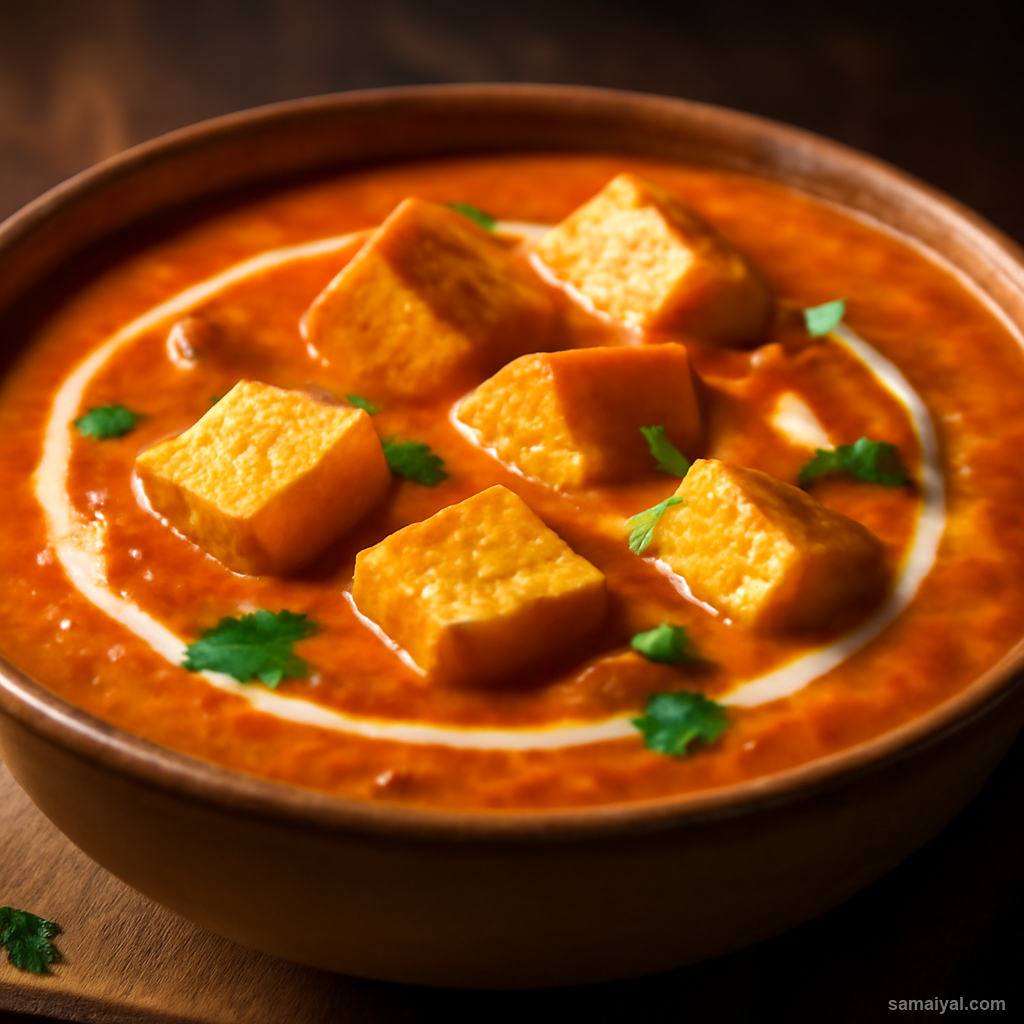
Butter Paneer Masala
Creamy tomato-based curry with soft paneer cubes — the all-time favourite of Indian...
Bathua (chenopodium) leaves cooked alone with minimal spicing and a ghee-garlic tempering — the Majha region's use of this specific wild winter green that grows spontaneously in wheat fields. The preparation that the farmers of the Amritsar-Gurdaspur border belt have eaten through the wheat growing season.

Wash bathua thoroughly: Bathua leaves growing in wheat fields collect dust. Wash in multiple changes of water until water runs clear.
Boil the bathua: Boil bathua in a pot of water with a pinch of salt for 12 to 15 minutes until completely soft and wilted.
Drain and retain some cooking water.
Blend with maize flour: Blend the boiled bathua with 2 tbsp maize flour and a few tablespoons of the cooking water to a medium-smooth paste — some texture should remain.
Transfer to a pot: Place the blended bathua in a pot on medium heat. Simmer 5 minutes, adding cooking water if too thick.
Add salt: Add salt.
Make the garlic-ghee chaunke: Heat 3 tbsp ghee on medium-high. Add cumin seeds — crackle. Add coarsely crushed garlic — fry for 2 minutes until golden. Add dried red chilli. Add asafoetida. Add red chilli powder — stir 10 seconds off heat.
Pour the chaunke: Pour the fierce ghee-garlic tempering into the simmering bathua. Stir.
Simmer 2 minutes more.
Serve: Place a generous knob of white butter on top. Serve with makki di roti or wheat roti.
Note: Bathua (Chenopodium album, also called lamb's quarters) grows wild in the wheat fields of Punjab from November to February — it is considered a weed by farmers but the leaves have been eaten as a green vegetable for centuries before the green went out of fashion with the rise of easier-to-prepare spinach. The Majha region (the central Punjab belt around Amritsar and Tarn Taran) is where the bathua saag tradition is strongest — the farmers of this region still forage bathua from their own wheat fields in the winter months.
⭐ Featured
Creamy tomato-based curry with soft paneer cubes — the all-time favourite of Indian...
 ⭐ Featured
Velvety spinach curry with golden-fried paneer — nutritious, vibrant and absolutely delicious.

Bold, tangy chickpea curry packed with spices — a street food staple that works as a main dish.

Dry-spiced potatoes and cauliflower — simple, aromatic, and endlessly satisfying.
Comments & Tips
Be the first to share your experience with this recipe!
Leave a Comment