 ⭐ Featured
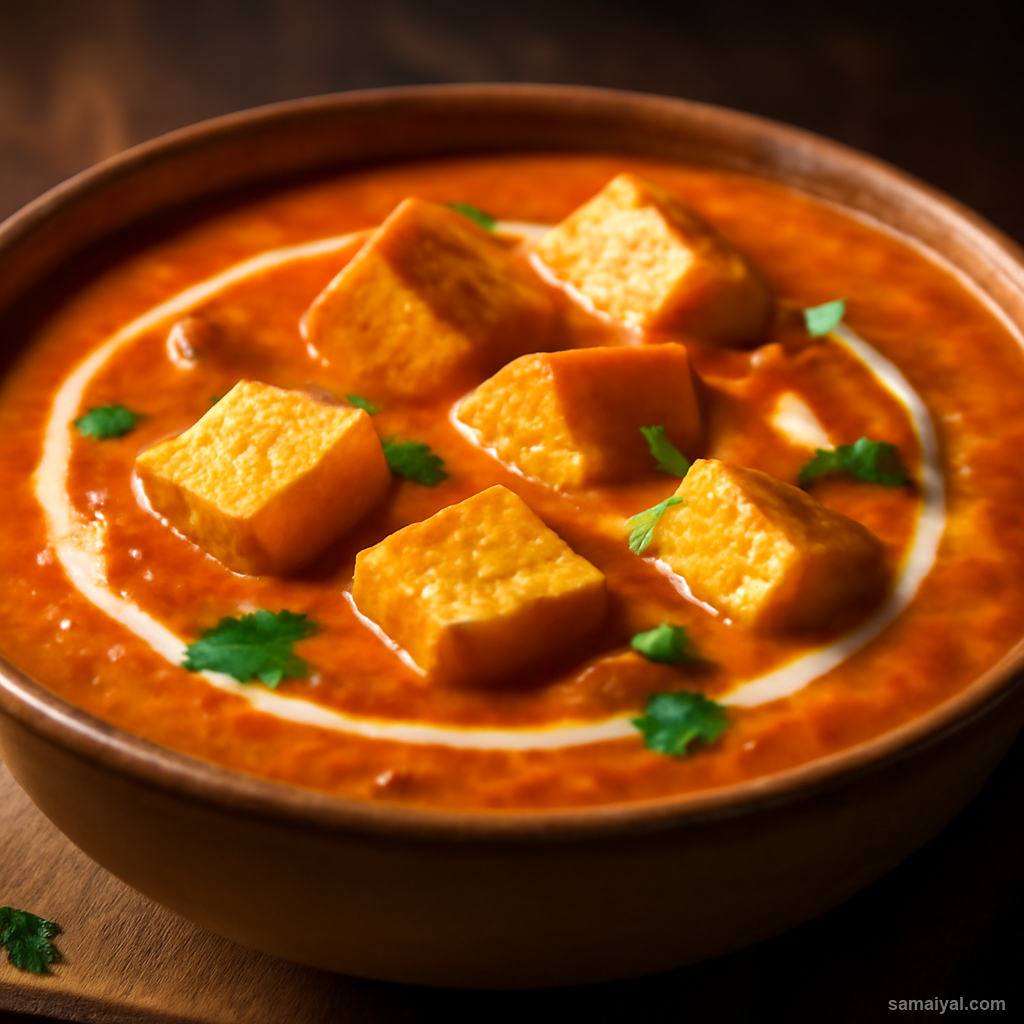
Butter Paneer Masala
Creamy tomato-based curry with soft paneer cubes — the all-time favourite of Indian...
A thick, sharp chutney made by cooking gongura (red sorrel) leaves with dried red chilli, garlic and a tempering of mustard seeds and curry leaves. The most well-known condiment of Telangana — eaten with every meal.

Understand gongura: Gongura (Hibiscus sabdariffa) is a sour, tangy leaf with a sharp, fruity acidity unique to this plant. The red-stemmed variety is more sour and more prized; the green-stemmed variety is milder. This leaf is available fresh at Indian grocery stores, particularly those catering to South Indian customers.
Wash and dry the gongura leaves: Remove the leaves from the stems — use only the leaves and very tender stems. Discard thick woody stems. Wash the leaves in 2 to 3 changes of water. Spread on a cloth and let them air dry for 15 minutes — excess moisture causes the chutney to become watery.
Dry roast the dried red chilli: In a dry pan on low heat, add 6 to 8 dried red chilli. Roast stirring for 1 minute until they darken slightly and smell toasted. Remove immediately. The roasting deepens the chilli flavour without adding harshness.
Cook the gongura leaves: Heat 2 tbsp oil in a wide pan on medium heat. Add the cleaned gongura leaves and 4 garlic cloves. Cook stirring on medium heat for 5 to 6 minutes until the leaves completely wilt, turn darker and reduce to about one-third their original volume. The leaves will release moisture as they cook — cook until most moisture has evaporated.
Add roasted chilli and cook together: Add the dry roasted chilli to the cooking gongura. Stir and cook together for 2 more minutes. Remove from heat and let cool completely.
Grind the chutney: Place the cooled cooked gongura, roasted chilli and salt in a mixer. Do not add water — the chutney should be thick, not liquid. Grind to a coarse paste. Pulse rather than run continuously — leave some texture. Taste and adjust salt.
Make the tempering: Heat 2 tbsp oil in a small pan on medium. Add mustard seeds — wait for them to pop. Add raw urad dal — fry stirring for 30 seconds until the dal turns golden. Add curry leaves — they will crackle. Add dried red chilli — let them darken. Add crushed garlic — fry stirring for 30 seconds until golden.
Pour tempering over chutney: Pour the entire hot tempering over the ground gongura chutney in the bowl. The hot oil will sizzle on the chutney surface. Stir well to combine.
Taste and adjust: Taste the chutney. It should be very sour, spicy and garlicky with no sweetness. The combination of the sour gongura, the heat of the dried chilli and the pungency of garlic is the classic Telangana flavour. Add more salt or more garlic if needed.
Store and serve: Transfer to a clean glass jar. This chutney keeps at room temperature for 2 to 3 days or refrigerated for up to 2 weeks. Serve with steamed rice and ghee, with idli, dosa or with any meal.
Note: Gongura Pachadi is the most important condiment of Telangana and Andhra Pradesh — eaten daily at practically every meal. Telangana people say they can eat a full meal with nothing but gongura pachadi and rice. This chutney is also made in large quantities, pickled in oil and stored for months. The gongura harvest season (June to August) is when the freshest and most sour leaves are available.
⭐ Featured
Creamy tomato-based curry with soft paneer cubes — the all-time favourite of Indian...
 ⭐ Featured
Velvety spinach curry with golden-fried paneer — nutritious, vibrant and absolutely delicious.

Bold, tangy chickpea curry packed with spices — a street food staple that works as a main dish.

Dry-spiced potatoes and cauliflower — simple, aromatic, and endlessly satisfying.
Comments & Tips
Be the first to share your experience with this recipe!
Leave a Comment