 ⭐ Featured
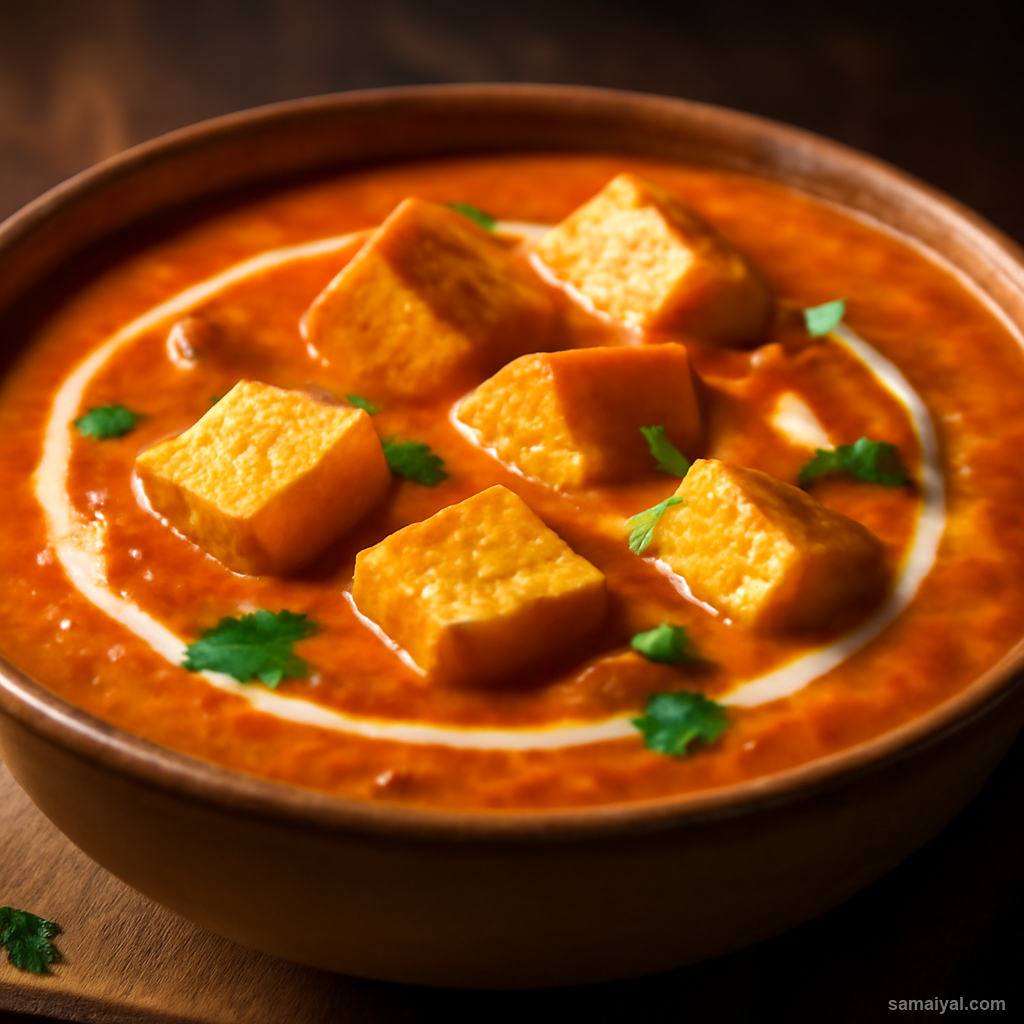
Butter Paneer Masala
Creamy tomato-based curry with soft paneer cubes — the all-time favourite of Indian...
Wild cane shoots cooked with mustard oil and green chilli — a uniquely Assamese forest vegetable

About Cane Shoot Assam Curry: Wild cane shoots are gathered from the riverbanks and forests of Assam — particularly along the tributaries of the Brahmaputra and in the Karbi Anglong hills. The young tender shoots are mildly earthy, slightly fibrous, and have a flavour somewhere between bamboo shoots and asparagus. The Assamese curry preparation uses simple mustard-oil and garlic seasoning to highlight the unique character of this foraged vegetable.
Source cane or bamboo shoots: Use 300g of fresh young cane shoots if you can find them at specialty Northeast Indian groceries or Asian markets. As a more widely available substitute, use young bamboo shoots — the flavour profile is very similar, almost interchangeable. Tinned bamboo shoots work in a pinch but lose much of the unique character.
Understand the bitter compounds: Wild cane and bamboo shoots contain natural cyanide-like compounds (cyanogenic glycosides) that must be removed before eating. Raw shoots can cause stomach upset; properly blanched shoots are completely safe. The blanching step is non-negotiable.
Peel and slice: If using fresh cane shoots, the outer layers are tough — peel them away to reach the tender inner core. Discard the tough leaves. Slice the inner shoot into 3mm thick rounds, then cut each round into smaller pieces.
If using bamboo shoots: Same process — peel away tough outer layers, slice the tender core thinly. The slices should look pale cream-yellow.
The critical blanching step: Bring a large pot of water to a rolling boil with 1 tsp salt. Add the sliced shoots. Boil hard for 10 minutes uncovered. The boiling water and salt extract the bitter compounds and the slight rawness. Leave the lid off so the volatile compounds escape with the steam.
Drain and rinse: Drain the boiled shoots in a colander. Rinse under cold running water for 30 seconds — this stops the cooking and washes away any remaining bitter compounds.
Drain very thoroughly: Let the shoots drain in the colander for 5 minutes. Squeeze gently in a clean kitchen towel to remove excess moisture. Wet shoots dilute the curry.
Prepare the onion: Take 1 medium onion. Peel and chop into fine 5mm dice.
Prepare the garlic: Take 3 garlic cloves. Crush, peel and mince finely.
Prepare the green chilli: Take 1 fresh green chilli. Slit lengthwise and chop into rounds.
Use a wide pan: Use a wide kadhai or heavy frying pan. The shoots need space to fry rather than steam.
Heat the mustard oil correctly: Pour 2 tbsp mustard oil into the pan over medium-high heat. Heat for 30-45 seconds until just smoking, to remove the raw bitter edge.
Temper with mustard seeds: Reduce heat to medium-high. Add 1 tsp mustard seeds. Within 5-10 seconds they will start popping vigorously. Have a splatter screen handy. Wait until the popping slows down, about 20 seconds.
Fry the onion: Add the chopped onion. Stir-fry for 5-6 minutes, stirring often, until soft and just turning golden at the edges. Do not over-brown — keep golden, not deep brown.
Add the garlic: Add the minced garlic. Stir for 1 minute until fragrant.
Add the cane shoots: Add the blanched drained shoots to the pan. Stir to coat with the spiced oil. The shoots will sizzle as they hit the pan.
Add turmeric and chilli: Sprinkle in 1 tsp turmeric powder. Add the chopped green chilli. Stir for 30 seconds. The shoots will turn a beautiful pale yellow.
Add salt: Add salt to taste — about 3/4 tsp. Stir well.
The stir-fry stage: Continue stir-frying on medium heat for 6-8 minutes, stirring every minute. The shoots will gradually soften further and absorb the spice flavours. They should still hold their shape — not turn to mush.
Add a splash of water: Pour in 1/4 cup hot water. Cover the pan with a lid for 3 more minutes. The brief covered cook helps tenderise any tougher pieces and lets the flavours marry.
Uncover and finish: Remove the lid. Increase heat to medium and stir-fry for 1-2 minutes to evaporate any remaining moisture. The final dish should be glossy with no liquid pooling.
Final seasoning: Taste a piece. The shoots should be tender but still slightly firm, mildly earthy with a faint bamboo-like note, with the mustard oil and garlic providing aromatic depth. Adjust salt or chilli.
Garnish: Sprinkle 2 tbsp finely chopped fresh coriander over the top. Some Assamese homes also add 1/2 tsp drizzled raw mustard oil for an extra pungent note.
Serve with rice: Serve hot alongside steamed rice — the most traditional pairing. The earthy shoots are best appreciated against neutral plain rice. The dish is also excellent alongside fish curry — the cane shoots provide textural contrast to soft fish.
Look for varieties: Different cane shoot varieties have slightly different flavours. The most prized in Assam is the wild khorisa (Calamus rotang shoot) which has a delicate flavour. Bamboo shoots from Assam's khasi bamboo varieties are also excellent.
A cultural note: Cane and bamboo shoots are foraged seasonally in Assam — they appear briefly in markets in spring (March-April) when the new shoots emerge. This dish is therefore a seasonal treat, not an everyday vegetable. Eating it connects you to the rhythm of Assam's natural cycles.
Leftover storage: Stored in the fridge in an airtight container, the curry keeps for 2-3 days. The shoots may darken slightly overnight but the flavour deepens. Reheat gently on the stovetop with a splash of water.
⭐ Featured
Creamy tomato-based curry with soft paneer cubes — the all-time favourite of Indian...
 ⭐ Featured
Velvety spinach curry with golden-fried paneer — nutritious, vibrant and absolutely delicious.

Bold, tangy chickpea curry packed with spices — a street food staple that works as a main dish.

Dry-spiced potatoes and cauliflower — simple, aromatic, and endlessly satisfying.
Comments & Tips
Be the first to share your experience with this recipe!
Leave a Comment