 ⭐ Featured
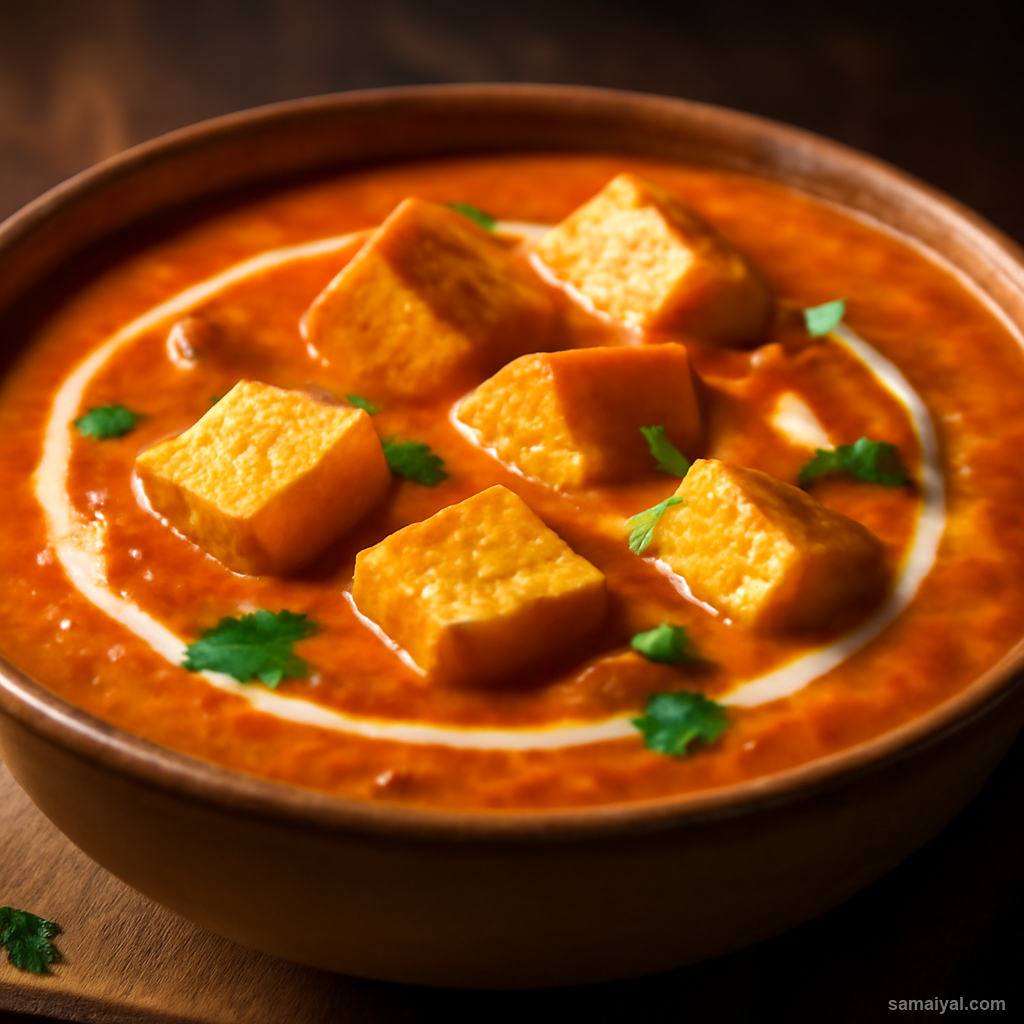
Butter Paneer Masala
Creamy tomato-based curry with soft paneer cubes — the all-time favourite of Indian...
Mustard and yogurt Rohu curry — the Mithila belt sharp and tangy fish preparation
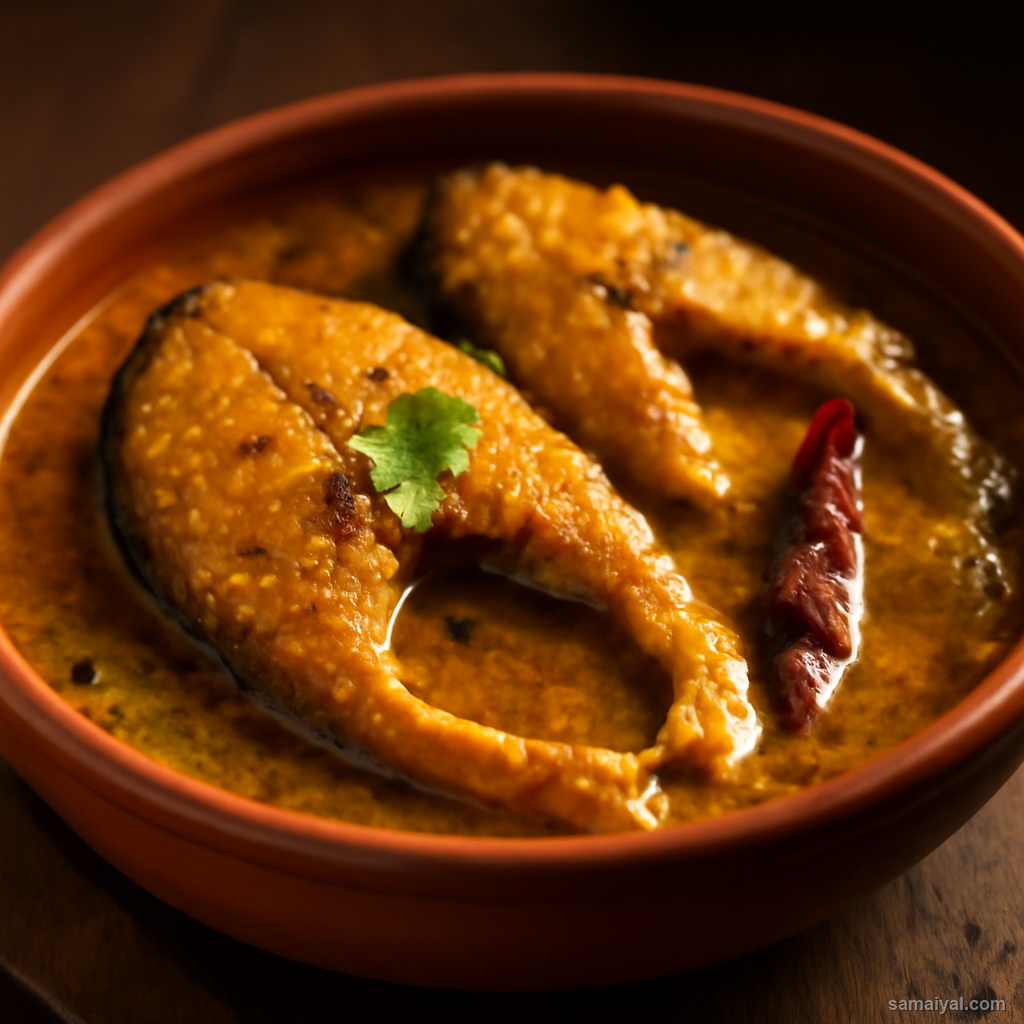
About Bihari Rohu Fish Curry: Bihari fish curry from the Mithila belt uses mustard paste and yogurt together — the combination gives a sharp tangy depth entirely its own. While both Bengali and Bihari cuisines treasure river fish, the Mithila version distinguishes itself with this dual mustard-yogurt technique. Properly made, it is one of the most distinctive regional fish curries in all of India.
Understand the Mithila tradition: Mithila is the cultural region of Bihar bordering Nepal — known for its rich fish-and-rice cuisine. The local rivers (Kosi, Bagmati, Burhi Gandak) provide abundant freshwater fish, and Mithila cooking has perfected the art of fish curry over centuries.
Choose Rohu fish: Use 500g of Rohu fish pieces. Rohu is the most prized freshwater fish in Mithila — firm flesh, mild flavour, holds up beautifully to simmering. If Rohu is unavailable, use any firm freshwater white fish like catla, mrigal, or even tilapia.
Check for freshness: The fish should look fresh — clear bright eyes (in whole fish), pink-red gills, firm flesh that springs back when pressed. The smell should be of clean water, not fishy or ammoniacal.
Clean and pat dry: Rinse the fish pieces under cold running water. Pat very dry with kitchen paper. Drying matters — wet fish splatters dangerously in mustard oil.
Marinate the fish: In a wide bowl combine 1 tsp turmeric powder and 1 tsp salt. Add the fish and gently coat each piece. Let marinate for 15-20 minutes at room temperature.
Make the mustard paste: Take 2 tbsp yellow mustard seeds. Soak in 4 tbsp warm water for 15 minutes — soaking removes bitterness. Grind to a smooth paste in a small grinder with a pinch of salt.
The paste consistency: The mustard paste should look pale yellow and creamy. If too thick, add 1 tsp more warm water. If too thin (watery), grind 1 minute more.
Prepare the yogurt: Use 1 cup of thick yogurt. Whisk thoroughly with a fork until completely smooth — no lumps. The yogurt must be smooth before adding to hot oil; lumps will not dissolve.
Prepare the onion: Take 1 medium onion. Peel and slice thinly into half-moons. Sliced onion produces deeper caramelisation.
Prepare the garlic: Take 3 garlic cloves. Crush, peel and mince finely.
Use a wide pan: Use a wide flat heavy pan or non-stick frying pan.
Heat the mustard oil correctly: Pour 2 tbsp mustard oil into the pan. Place over medium-high heat. Heat for 1-2 minutes until smoking heavily.
Fry the fish first: Carefully slide the marinated fish pieces into the smoking-hot oil, away from yourself.
The critical first sear: Do not move or touch the fish for the first 3-4 minutes. After 4 minutes, the bottom should be deep golden brown.
Flip carefully: Use a flat spatula to slide under each piece and flip. Cook the second side for another 3-4 minutes until equally golden.
Lift the fish out: Use a slotted spatula to carefully remove the fish from the pan. Set aside on a plate.
Fry the onion: To the same oil add the sliced onion. Stir-fry on medium heat for 6-7 minutes, stirring often, until deep golden brown.
Add the garlic: Add the minced garlic. Stir for 1 minute until fragrant.
Add mustard paste: Add the prepared mustard paste. Stir constantly for 2 minutes — the paste will mix with the spiced oil and onion to produce a smooth pungent base. The kitchen will fill with the sharp aroma of cooked mustard.
Add dry spices: Sprinkle in 1 tsp red chilli powder. Stir for 30 seconds.
The critical low-heat yogurt addition: Reduce heat to LOW. This is essential — yogurt added to high heat curdles into ugly white lumps.
Add yogurt slowly: Pour in the whisked yogurt. Immediately start stirring constantly with a wooden spoon. Continue stirring for 3-4 minutes until the oil starts to separate from the masala — small droplets of orange-red oil will appear at the edges.
Why stirring matters: Constant stirring prevents the yogurt from curdling. As you stir, the yogurt gradually combines with the mustard-spice base, eventually producing a smooth glossy gravy.
Add water: Pour in 1/2 cup hot water. Stir well to make a smooth flowing gravy. Add salt to taste — usually 1/4-1/2 tsp; the fish was already salted.
Return the fish: Carefully slide the fried fish pieces back into the gravy. Spoon some gravy over each piece.
Final simmer: Reduce heat to medium-low. Simmer uncovered for 10 minutes, gently spooning gravy over the fish every 3 minutes. The fish will fully cook through and absorb the mustard-yogurt flavours.
Check doneness: The fish is done when the flesh easily flakes with a fork. The gravy should be moderately thick — coating the back of a spoon.
Final flavour adjustment: Taste a spoonful of gravy. The dish should hit you with multiple flavours — clean fish, sharp pungent mustard, tangy creamy yogurt, gentle chilli warmth, deep onion sweetness. The mustard-yogurt combination is the signature note.
Garnish: Switch off the heat. Sprinkle 2 tbsp finely chopped fresh coriander over the top.
Serve with rice: Serve hot over plain steamed rice — the most traditional Mithila pairing. The rich mustard-yogurt gravy is meant to be poured generously over rice.
The Mithila way to eat: The traditional way to eat this curry is to mix the gravy generously into rice with your fingers, breaking off small pieces of fish to combine. The rice absorbs the unique mustard-yogurt character.
For a complete meal: Pair with mustard greens (sarson saag) on the side and a small portion of pickle. The combination represents Mithila cooking at its finest.
A regional note: While Bengali fish curries (also using mustard paste) are more famous internationally, the Bihari Mithila version with the additional yogurt component is arguably more complex in flavour. The yogurt adds a tangy creaminess that balances the mustard pungency beautifully. It is a regional gem worth seeking out and learning to cook.
Leftover storage: Stored in the fridge in an airtight container, this curry keeps for 1-2 days. The mustard character mellows beautifully overnight. Reheat very gently on the stovetop with a splash of water — never microwave at high power, which can break the fish.
⭐ Featured
Creamy tomato-based curry with soft paneer cubes — the all-time favourite of Indian...
 ⭐ Featured
Velvety spinach curry with golden-fried paneer — nutritious, vibrant and absolutely delicious.

Bold, tangy chickpea curry packed with spices — a street food staple that works as a main dish.

Dry-spiced potatoes and cauliflower — simple, aromatic, and endlessly satisfying.
Comments & Tips
Be the first to share your experience with this recipe!
Leave a Comment