 ⭐ Featured
Butter Paneer Masala
Creamy tomato-based curry with soft paneer cubes — the all-time favourite of Indian...
Bitter gourd cooked with onion and amchur — the health vegetable of Bihar
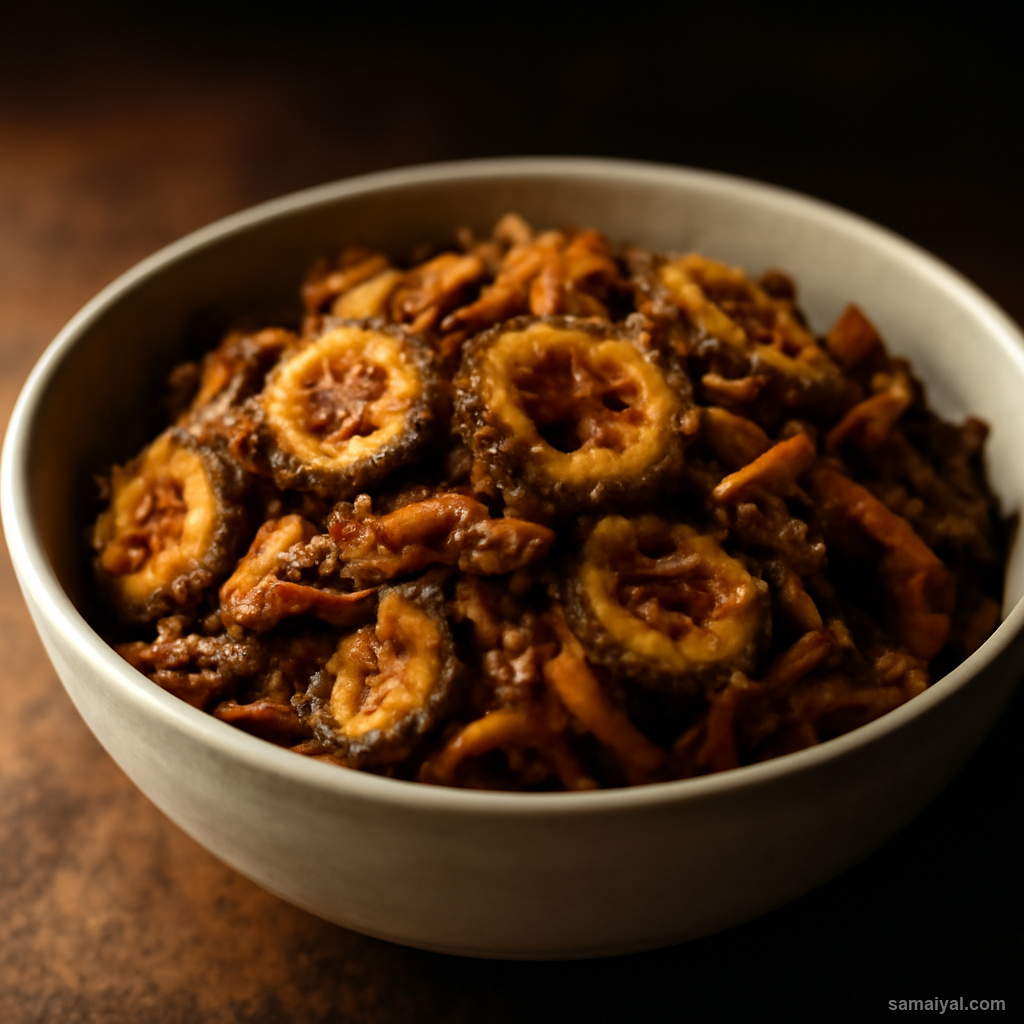
About Bihari Karela Sabzi: Karela (bitter gourd) is the health vegetable of Bihar — eaten weekly for its blood-sugar-regulating and digestive properties. The Bihari version balances the natural bitterness with sugar and amchur, creating a sweet-sour-bitter harmony that converts even sceptics. The technique here is essential; raw karela cooked plain is too bitter to enjoy.
Choose firm karela: Use 4 medium-sized bitter gourds. Look for firm, bright green ones with prominent ridges. Soft, yellowing or wrinkled karela is over-ripe and tastes overwhelmingly bitter — beyond what the recipe can balance.
Wash the karela: Wash thoroughly under cold running water. The ridges and bumps can hide grit. Pat dry with a kitchen towel.
Scrape the skin lightly: Use the back edge of a knife or a vegetable peeler to lightly scrape off only the outermost rough surface of the ridges — do not peel deeply. The skin holds most of the medicinal compounds, but the very tough outer ridges are unpleasant to eat.
Slice into rounds: Slice the karela into thin 5mm rounds. Use the tip of a knife to scoop out the harder white seeds and pith from each ring. Tender seeds in young karela can stay; only the hard mature ones need removing.
The critical salting step: Place the sliced karela in a wide bowl. Sprinkle generously with 1 tbsp salt and rub it through every slice with your fingers. Let sit for 20 minutes. The salt draws out a bitter brown liquid — this is what makes karela palatable.
Rinse and squeeze: After 20 minutes you will see brown bitter water collected in the bowl. Tip into a colander, rinse thoroughly under cold water to remove the salt, then squeeze the karela slices in batches between your palms to press out as much remaining moisture as possible. Dry on a kitchen towel.
Prepare the onion: Take 1 medium onion. Peel and slice thinly into half-moons.
Prepare the garlic: Take 3 garlic cloves. Crush, peel and mince finely.
Heat the mustard oil correctly: Pour 2 tbsp mustard oil into a heavy-bottomed pan or kadhai over medium-high heat. Heat for about 1 minute until the oil just begins to smoke and the harsh raw smell mellows. Skipping this step leaves the dish tasting harsh.
Fry the onion: Reduce heat to medium. Add the sliced onion. Stir-fry for 6-7 minutes until deep golden brown. Take your time — well-browned onion is the foundation of the dish's sweetness, which balances the karela's bitterness.
Add the garlic: Add the minced garlic. Stir for 1 minute until fragrant. Do not let it burn.
Add the karela: Add the squeezed-dry karela slices. Stir well to coat with the onion-oil mixture.
Add turmeric: Sprinkle 1/2 tsp turmeric powder. Stir-fry on medium heat for 5 minutes, stirring every minute, until the karela slices start turning slightly golden at the edges and have shrunk visibly.
Add the spice and balance ingredients: Add 1 tsp red chilli powder, 1/2 tsp amchur (dried mango powder for tang) and 1/2 tsp sugar. The sugar is the secret — it does not make the dish sweet, but rounds out the bitterness. Add salt to taste, but go easy because the karela was already salted.
Cover and cook: Add 2 tbsp water. Cover the pan with a lid. Reduce heat to low. Cook for 15-18 minutes, stirring every 4-5 minutes, until the karela is completely tender, slightly caramelised and the bitter edge has mellowed.
Uncover and dry out: Once tender, remove the lid. Increase heat to medium and stir-fry for 2-3 more minutes to evaporate any remaining moisture. The final dish should be dry, glossy and dark.
Taste and serve: Taste a slice. The karela should taste mildly bitter with clear sweet-sour notes balancing it. If too bitter, add a small pinch more sugar; if too sweet, a pinch more amchur. Serve hot with steamed rice and dal — karela is a side dish, eaten in small portions alongside other foods.
⭐ Featured
Creamy tomato-based curry with soft paneer cubes — the all-time favourite of Indian...
 ⭐ Featured
Velvety spinach curry with golden-fried paneer — nutritious, vibrant and absolutely delicious.

Bold, tangy chickpea curry packed with spices — a street food staple that works as a main dish.

Dry-spiced potatoes and cauliflower — simple, aromatic, and endlessly satisfying.
Comments & Tips
Be the first to share your experience with this recipe!
Leave a Comment