 ⭐ Featured
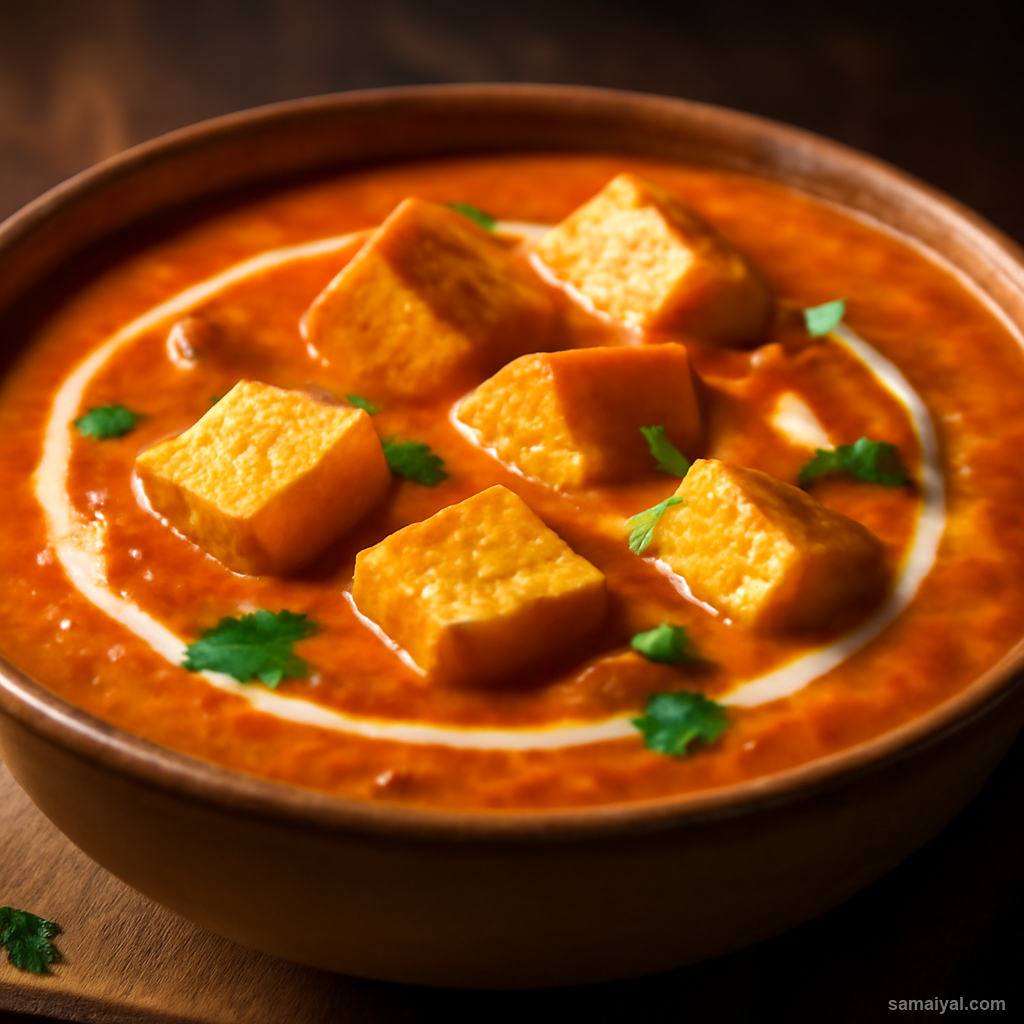
Butter Paneer Masala
Creamy tomato-based curry with soft paneer cubes — the all-time favourite of Indian...
Rice tossed with lemon, mustard and curry leaves — Assam's refreshing summer rice

About Assam Lemon Rice: Lemon rice is a tart, light, golden rice dish made from leftover cooled rice. While South India has its own famous version, the Assamese variant is made with mustard seeds, curry leaves and a generous squeeze of lemon — no peanuts ground into the masala, but plenty of roasted peanuts on top for crunch. It is the summer cooling rice of Assam, eaten at room temperature with yogurt or pickle.
Use cold cooked rice: Use 3 cups of cooked rice that has been chilled completely — preferably refrigerated overnight. Hot rice goes mushy when stir-fried; cold rice keeps the grains separate. Joha rice from Assam works beautifully, but any leftover plain rice is fine.
Fluff and break clumps: Spread the cold rice on a wide plate or in a bowl. Use a fork to gently break any clumps so each grain is loose. Avoid pressing — broken grains turn the dish starchy and gummy. The grains should look individual and slightly dry.
Dry-roast the peanuts first: Take 1/4 cup raw peanuts. Heat a heavy dry pan over medium heat. Add the peanuts. Dry-roast for 4-5 minutes, shaking the pan often, until the skins darken and they smell deeply nutty. Tip onto a plate and let cool — they crisp further as they cool.
Prepare the curry leaves: Take 10-12 fresh curry leaves. Wash and pat completely dry on a paper towel — wet leaves splatter dangerously in hot oil. Remove from the stems.
Prepare the green chillies: Take 2 fresh green chillies. Slit lengthwise. Slice into thin rounds if you like the heat distributed; leave whole-slit for a milder dish where the chillies can be removed later.
Understand the mustard seed importance: The Assamese version of lemon rice relies on properly tempered mustard seeds for both flavour and texture. The seeds add tiny popping bursts of pungency that balance the lemon's sharpness.
Heat the oil correctly: Pour 2 tbsp oil (mustard oil for most authentic, neutral oil for milder) into a wide kadhai or large frying pan over medium-high heat. If using mustard oil, heat for 30 seconds until just smoking, to remove the raw bitter edge. Reduce heat to medium-high.
Temper with mustard seeds: Add 1 tsp mustard seeds. Within 5-10 seconds they will start popping vigorously. Be ready with a splatter screen or pan lid — the seeds jump aggressively. Wait until the popping slows down, about 20 seconds.
Add curry leaves and chillies: Add the curry leaves and slit green chillies. They will sizzle and crackle. The curry leaves will turn slightly darker and crisp. Fry for 30-45 seconds.
Add turmeric: Sprinkle 1/2 tsp turmeric powder into the oil. Stir for 5 seconds — turmeric burns very quickly so move fast.
Add the rice: Tip in the cold cooled rice all at once. Use a folding motion with a flat spatula or wooden spoon — lift from underneath and turn over, do not stir round and round which crushes the grains.
Fold to coat: Continue folding gently for 2-3 minutes until every grain is evenly coated yellow and warmed through. The rice should look glossy and uniformly turmeric-yellow.
The critical lemon timing: Switch off the heat completely. Take the pan off the burner. This is essential — lemon juice added to a hot pan turns bitter and loses its fresh aroma. Always remove from heat before adding lemon.
Add lemon and salt: Squeeze in the juice of 2 fresh lemons (about 4 tbsp). Add salt to taste — about 1 tsp. Use a flat spoon to fold the lemon and salt through the rice 4-5 times until evenly distributed.
Taste and adjust: Dip a clean spoon and taste. The rice should taste tangy, gently spiced and properly salted. The lemon should hit you upfront, with the mustard and chilli backing it up. Adjust lemon, salt or chilli to your liking.
Add peanuts at the end: Add the cooled roasted peanuts to the rice. Fold once gently to distribute. Adding peanuts at the end keeps them crispy — adding earlier would turn them soft from the rice's residual moisture.
Garnish: Sprinkle 2 tbsp finely chopped fresh coriander over the top. Some Assamese also add 1 tbsp finely chopped fresh ginger for an aromatic boost.
Rest briefly before serving: Cover the pan loosely for 2 minutes. The flavours settle and the lemon flavour permeates the entire dish. Serve warm or at room temperature. Lemon rice is one of the best dishes for tiffin boxes and travel — it tastes excellent for hours after cooking.
Serving suggestions: Serve alongside plain yogurt, raita or a simple onion-cucumber salad. The tartness pairs beautifully with rich curries — coconut chicken curry, dal, or fried fish. For a complete Assamese summer lunch, serve with cooling cucumber raita and crispy papad.
⭐ Featured
Creamy tomato-based curry with soft paneer cubes — the all-time favourite of Indian...
 ⭐ Featured
Velvety spinach curry with golden-fried paneer — nutritious, vibrant and absolutely delicious.

Bold, tangy chickpea curry packed with spices — a street food staple that works as a main dish.

Dry-spiced potatoes and cauliflower — simple, aromatic, and endlessly satisfying.
Comments & Tips
Be the first to share your experience with this recipe!
Leave a Comment