 ⭐ Featured
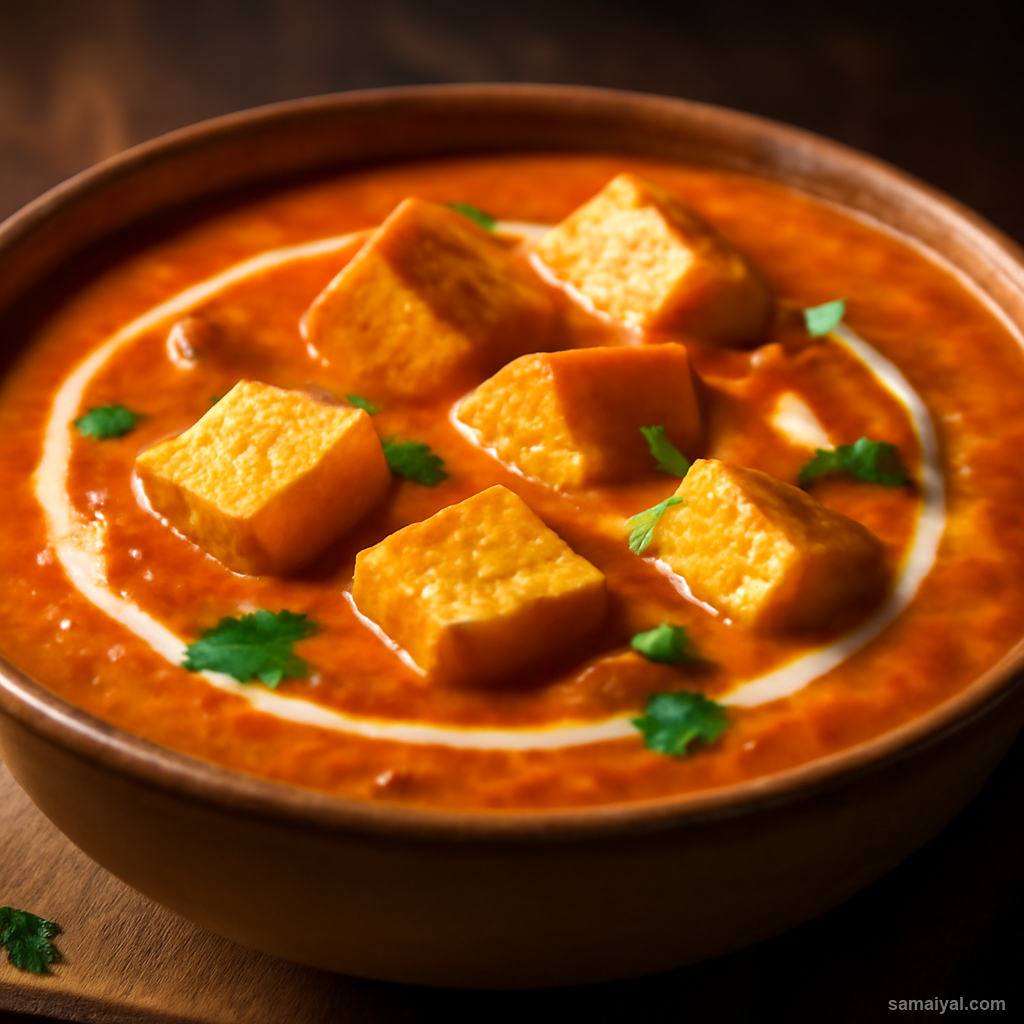
Butter Paneer Masala
Creamy tomato-based curry with soft paneer cubes — the all-time favourite of Indian...
Kerala-style thoran — dry stir-fry of elephant yam (chena) with fresh coconut in coconut oil.

About Yam Thoran: Yam Thoran is the hearty Kerala dry stir-fry of elephant yam (chena) with fresh coconut and coconut oil. Across Kerala, elephant yam is one of the most beloved underground vegetables — appearing in stews, curries, and especially this signature thoran preparation.
Follow the foundational thoran technique: See Beans Thoran (recipe id 578). Note: yam requires parboiling before the thoran step.
Gather ingredients: 300g elephant yam (called chena in Malayalam, karunai kizhangu in Tamil, suran in Hindi), 1/2 cup fresh grated coconut, 2 tbsp coconut oil, 1 tsp mustard seeds, 2 dried red chillies, 1 sprig curry leaves, 2 finely chopped green chillies, 3 finely sliced shallots, 1/4 tsp turmeric (plus extra for parboil), 1 tsp cumin seeds, salt to taste.
The IMPORTANT itching warning: Raw elephant yam contains calcium oxalate crystals that cause severe itching of skin and mouth. Cooking eliminates these compounds, but proper preparation is essential. WEAR GLOVES when handling raw yam. Rub hands with oil or lemon juice before cutting (prevents skin contact). If you experience itching, wash hands thoroughly with soap — itching subsides over 1-2 hours. Avoid touching face or eyes. If elephant yam unavailable, substitute with regular yam, sweet yam, or potatoes — different flavour but same technique.
Wash and peel: Wear gloves. Rinse under cold water. Use a sharp knife (NOT a vegetable peeler — yam skin is tough) to peel away rough brown outer skin. Remove all skin and any darkened spots.
Cut and rinse: Cut into small 1cm cubes. Rinse the cubed yam in cold water 1-2 times — removes surface oxalate compounds.
The critical parboil: Place cubed yam in a saucepan. Cover with water. Add 1/2 tsp turmeric (helps neutralise remaining oxalate crystals and prevents off-flavours) and 1 tsp salt. Bring to a boil over high heat. Reduce to medium. Boil 8-10 minutes until just tender — easily pierced with a fork but still holding shape. Drain through a sieve, discarding the parboiling water (carries dissolved oxalate compounds).
Make coconut mixture: In a wide bowl combine the grated coconut, turmeric, cumin seeds, chopped green chillies, and sliced shallots. Lightly pound or pulse briefly.
Combine: Add parboiled yam to the coconut mixture. Toss to coat.
Tempering: Heat the coconut oil in a wide pan over medium-high heat. Add mustard seeds — wait for popping to slow.
Add remaining tempering: Add snapped dried red chillies and curry leaves. Stir for 5 seconds.
Add yam-coconut mixture: Stir to coat with the tempering. Add additional salt — about 1/2 tsp.
Uncovered cooking: Cook on medium-high heat 3-4 minutes, tossing every minute. Yam is already cooked through from parboiling — this step is for flavour integration and developing slightly crispy edges.
The slightly crispy edges: This is a hallmark of properly made yam thoran — parboiled yam slightly crisps where it touches the hot pan.
Final taste: Should taste deeply substantial — starchy yam with sweet coconut, gently warming spices, mild umami from the slightly crispy edges.
Serve immediately: With rice. Substantial element of the Kerala sadya feast.
For cold weather: Yam is traditionally considered warming for the body in Indian medicine. Particularly satisfying in cooler weather.
Variations: Add 1 finely sliced onion to the tempering for additional depth. Or 1/2 cup green peas during the final cooking. For peppery version, add 1/2 tsp ground black pepper.
A nutritional note: Provides complex carbohydrates, fibre, vitamin B6, vitamin C, manganese, potassium.
Leftover storage: Fridge for 2 days. Yam firms slightly when cold but reheats beautifully. Refresh briefly in a hot dry pan to crisp edges again.
⭐ Featured
Creamy tomato-based curry with soft paneer cubes — the all-time favourite of Indian...
 ⭐ Featured
Velvety spinach curry with golden-fried paneer — nutritious, vibrant and absolutely delicious.

Bold, tangy chickpea curry packed with spices — a street food staple that works as a main dish.

Dry-spiced potatoes and cauliflower — simple, aromatic, and endlessly satisfying.
Comments & Tips
Be the first to share your experience with this recipe!
Leave a Comment