 ⭐ Featured
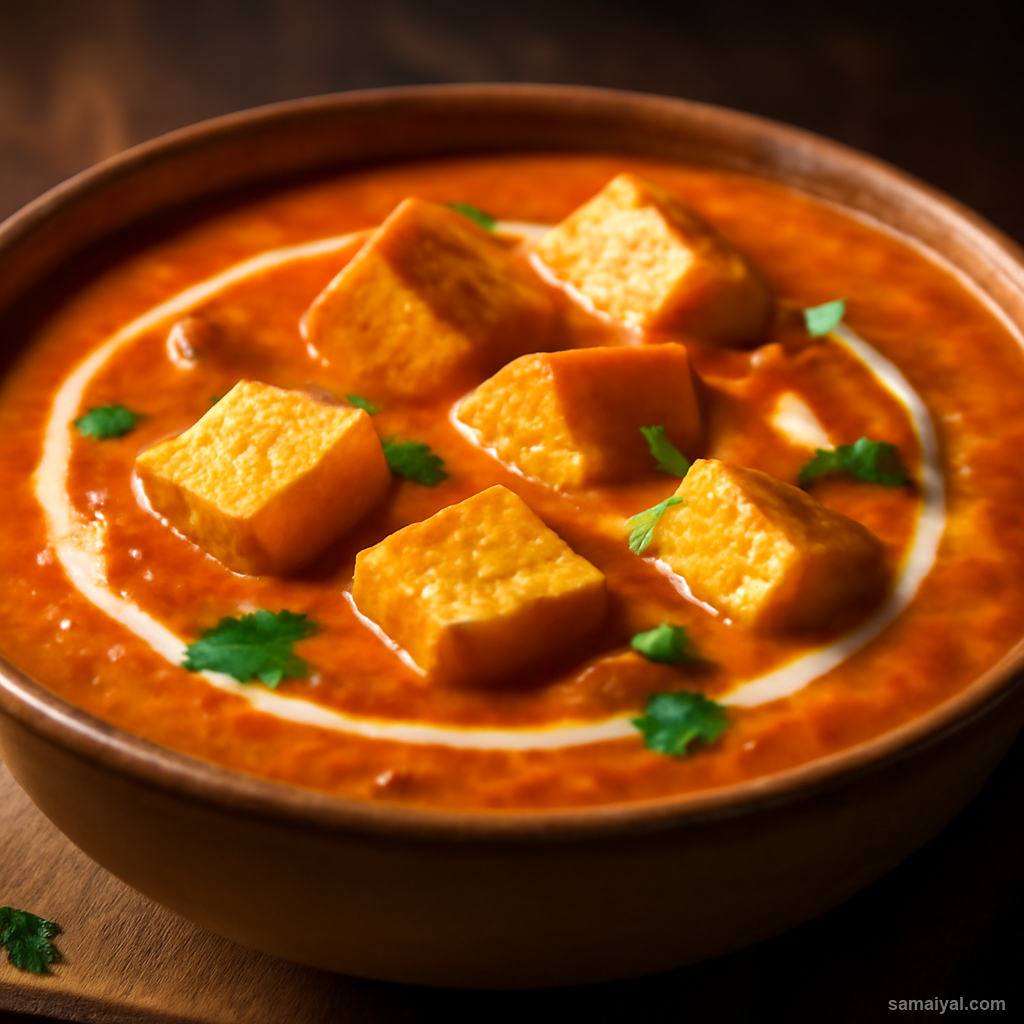
Butter Paneer Masala
Creamy tomato-based curry with soft paneer cubes — the all-time favourite of Indian...
Wild watercress in ginger broth — the detoxifying spring soup of Arunachali forest communities

About Watercress Clear Soup: This is the detoxifying spring soup of Arunachali forest communities — wild watercress in a clean ginger broth. Watercress grows abundantly in the cold mountain streams of Arunachal Pradesh and is gathered fresh during spring foraging walks. Its peppery bite in a clear broth makes a perfect cleansing soup, especially after the heavy meat-rich winter foods of the region.
Understand the watercress: Use 2 bunches (about 200g total) of fresh watercress. The leaves should be deep green, crisp, and have a strong peppery aroma when crushed lightly. Avoid wilted, yellowing, or limp watercress — those have lost their character.
Wash watercress thoroughly: Watercress grown in mountain streams (or at scale by farms in water) often hides grit and tiny insects. Submerge in a big bowl of cold water and swish vigorously. Lift out — do not pour through. Repeat with fresh water 3 times until no debris settles at the bottom.
De-stem partially: Pinch off any thick lower stems with woody character. The thinner upper stems are tender and add character — keep these. The leaves and tender stems are what go in the soup.
The critical timing prep: Watercress cooks in seconds — overcooked watercress turns dull olive and loses its peppery bite. Have everything else ready before you start cooking, so the watercress goes in at the very last moment.
Prepare the ginger: Take a 1-inch piece of fresh ginger. Peel and julienne — cut into thin matchstick-style strips, about 3cm long and 1mm wide. Julienned ginger gives more visual interest and flavour spread than minced.
Prepare the garlic: Take 2 garlic cloves. Crush lightly with the flat of a knife to loosen the skin. Discard the skin. Slice thinly into rounds.
Prepare the spring onions: Take 2 spring onions (scallions). Wash and trim. Slice into thin rounds, separating the white parts (for cooking) from the green tops (for garnish).
Use the right pot: Use a clean stainless steel or enamel pot. Avoid aluminium, which can react with greens. The pot should be wide enough to spread the watercress in a thin layer.
Bring water to a boil with aromatics: Pour 4 cups cold water into the pot. Add the julienned ginger, sliced garlic and the white parts of the spring onions. Place over high heat and bring to a full rolling boil — bubbles across the entire surface.
Let the aromatics infuse: Once boiling, reduce heat to medium. Simmer the ginger, garlic and spring onion whites in the water for 5 minutes. This makes a clean, fragrant base broth — the simmering extracts the aromatic compounds without using any stock cubes.
Add the seasonings: After the 5-minute simmer, add 1 tsp soy sauce (light soy preferred — it does not darken the broth too much). Add salt to taste — about 1/2 tsp. Stir gently. Taste the broth — it should be lightly aromatic and gently savoury, not heavily seasoned.
Check the broth temperature: The broth should be at a gentle simmer, not a violent boil. If boiling violently, reduce heat slightly.
The critical watercress addition: Now add the washed watercress to the simmering broth all at once. The watercress will look like a huge volume but will collapse to a fraction of its size within seconds.
Do not over-cook: This is the most important step. Stir very gently with a spoon to submerge the watercress in the broth. Cook for exactly 3 minutes — set a timer. The watercress should turn from dark green to bright green and become tender but still hold its leaves intact.
The colour test: After 3 minutes, the watercress should still look vibrantly bright green, almost glowing. If it has turned dull olive or grey-green, you have over-cooked it — start over next time. Bright green is essential.
Switch off heat immediately: As soon as the watercress is wilted but still bright green, switch off the heat. Even a minute of additional cooking dulls the colour and bite.
Drizzle the sesame oil: Take 1/2 tsp toasted sesame oil. Drizzle over the soup. Toasted sesame oil is one of the few flavour additions in Northeast Indian tribal cooking — its nutty depth lifts the soup without overpowering.
Garnish with spring onion greens: Sprinkle the green parts of the spring onions over the top. The fresh chopped greens add a final aromatic note and visual contrast to the soup.
Ladle and serve immediately: Ladle into bowls, ensuring each bowl gets a good mix of broth and watercress. Serve immediately while the watercress is still bright green and the soup is piping hot. Watercress soup waits for no one — every minute it sits, it loses character.
Serving suggestions: Watercress Clear Soup is traditionally served as a starter or light dinner soup in Arunachali homes, alongside steamed rice or millet rotis. It is also excellent for invalids and recovering eaters because of its gentle, non-irritating character. For a more substantial bowl, add a few cubes of soft tofu or a small handful of cooked rice noodles directly to the bowl just before serving.
The wellness story: Watercress is one of the most nutrient-dense leafy greens in the world — exceptionally high in vitamin K, vitamin C, calcium and antioxidants. The compound that gives it its peppery bite (a glucosinolate) is associated with anti-inflammatory and detoxifying effects. The Arunachali tradition of eating this soup in spring as a seasonal cleanse is medically well-founded.
Cannot find watercress: If watercress is unavailable, fresh young rocket leaves (arugula) are the closest substitute — similar peppery bite, similar cooking technique. Spinach also works but produces a much milder soup without the signature peppery character.
⭐ Featured
Creamy tomato-based curry with soft paneer cubes — the all-time favourite of Indian...
 ⭐ Featured
Velvety spinach curry with golden-fried paneer — nutritious, vibrant and absolutely delicious.

Bold, tangy chickpea curry packed with spices — a street food staple that works as a main dish.

Dry-spiced potatoes and cauliflower — simple, aromatic, and endlessly satisfying.
Comments & Tips
Be the first to share your experience with this recipe!
Leave a Comment