 ⭐ Featured
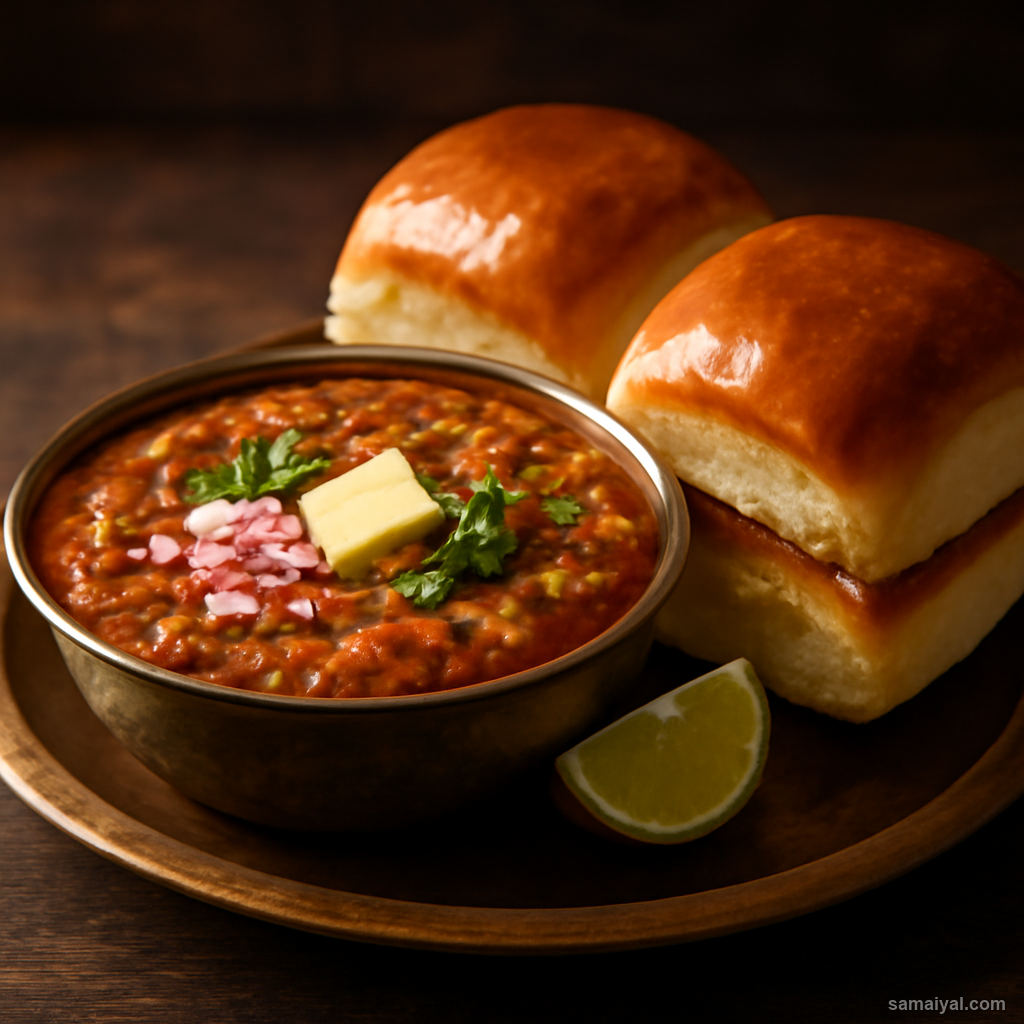
Pav Bhaji
Mumbai's beloved mashed vegetable curry served on butter-toasted soft buns — street food gold.
Tamil Nadu snack — Urad dal stuffed dumpling — protein-rich festive snack.
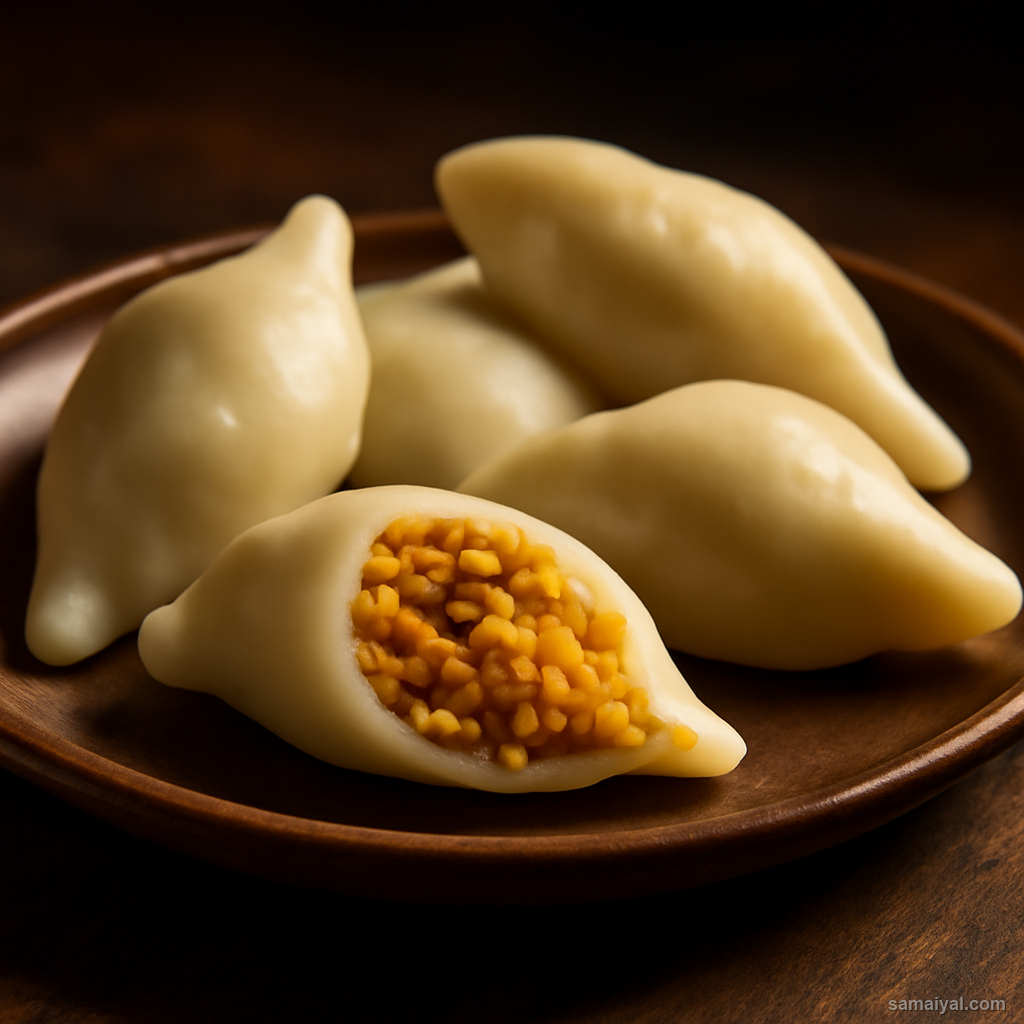
About Ulundu Kozhukattai: Ulundu Kozhukattai is the urad dal stuffed dumpling — protein-rich festive snack. Combines "ulundu" (Tamil for urad dal/black gram) with "kozhukattai" (steamed dumpling). During Vinayaka Chaturthi (Tamil Ganesh Chaturthi), this is the savoury offering — paired with sweet kozhukattai for Lord Vinayaka. Both savoury and sweet versions are made — typically 5-7 of each placed before the deity.
Note on source: The original recipe instructions were template-generated boilerplate. This rewrite provides correct steaming technique.
Gather ingredients: 1/2 cup urad dal (split black gram, white version), 1.5 cups fine rice flour, 1 tsp mustard seeds, 1 tsp cumin seeds, 1/4 tsp asafoetida, 1 sprig fresh curry leaves chopped, 1/2 tsp finely chopped green chilli, 1/2 tsp grated fresh ginger, 1 tsp finely chopped fresh coriander, 1 tsp sesame oil, salt to taste.
Soak and steam the urad dal: Wash urad dal in 2-3 changes of cold water. Soak 2 hours. Drain. Place soaked drained dal in a steamer basket lined with muslin cloth (or in a small pressure cooker with 1/4 cup water for 3 whistles, with natural pressure release). Steam 15 minutes until very soft when pressed.
Mash the dal: Transfer to a wide bowl. Mash with a fork or potato masher to a coarse texture — should still show recognisable dal pieces. The coarse mash provides textural variety in the finished kozhukattai. Smooth puree produces uniform texture more like paste.
Make the filling tempering: Heat 1 tsp sesame oil in a small pan over medium heat. Add 1/2 tsp mustard seeds. Wait for popping. Add 1/4 tsp asafoetida and the chopped curry leaves. Pour the hot tempering over the urad dal mixture. Add the chopped green chilli, grated ginger, cumin seeds, salt to taste (about 1/2 tsp), and chopped fresh coriander. Stir to combine. Set aside the seasoned filling at room temperature.
Make the dough: Place 1.5 cups rice flour and a pinch of salt in a wide bowl. Pour about 3/4 cup just-off-boiled hot water over the flour. Mix first with a wooden spoon, then with hands when cool enough. Add more water 1 tbsp at a time until soft and pliable — like playdough. Knead briefly 3-5 minutes. Cover with a damp cloth and rest 10 minutes.
Divide and shape: Pinch off 30g portions of dough (12-14 portions). Keep all under a damp cloth — exposed dough dries quickly. Take one portion, flatten between palms into a round disc about 6cm wide and 3mm thick. Place 1 tablespoon of urad dal filling in the centre.
Seal the kozhukattai: Bring edges of the disc up around the filling, pinch firmly to seal completely. Traditional Tamil shape is similar to Tibetan momo — pleated edges meeting in a peak at the top. Simpler shape: half-moon (semicircle) with sealed crimped edge. The seal must be airtight or filling leaks during steaming. Place shaped dumplings on a plate and rest 5-10 minutes — allows seals to set.
Prepare and steam: Use a bamboo steamer or any standard steamer with at least 5cm water in the bottom pan. Line the surface with banana leaves (adds aromatic character) or muslin cloth/parchment paper. Bring water to a rolling boil — visible turbulent boiling. Once boiling, arrange in single layer with space between each (they expand slightly during steaming). Cover and steam 15 minutes. Do not lift the lid during steaming.
Doneness check: Lift the lid carefully. Kozhukattai should look glossy, slightly translucent, firm to gentle press. Pierce one with a thin knife — should come out clean. Filling should be hot. If undercooked, steam 5 more minutes. Switch off heat and rest covered 5 minutes.
Serve warm: Lift onto serving plate. The Vinayaka Chaturthi tradition: both savoury and sweet kozhukattai placed before Lord Vinayaka. After puja, distributed as prasad. Serve with a small dish of fresh coconut chutney (cooling contrast). For more substantial meal, dunk kozhukattai in hot sambar — the iconic Tamil savoury combination.
For everyday and special diets: Even outside festivals, makes excellent breakfast or tea-time snacks. Combination of rice flour and urad dal provides complete protein for sustained morning energy. For children, savoury flavour is gentler than typical Tamil snacks. For those avoiding wheat, naturally gluten-free, suitable for celiac or gluten-sensitive individuals.
Variations: Some families add 1 tbsp grated coconut to the filling for sweetness. Others add additional 1 tbsp chopped fresh coriander.
A cultural and nutritional note: Vinayaka Chaturthi tradition of offering both savoury and sweet kozhukattai represents the balance of life — savoury and sweet, practical and spiritual. Combination of rice flour and urad dal provides complete plant protein. Naturally low in fat and high in fibre.
Leftover storage: Stored in fridge in an airtight container for 2 days. Dough firms up considerably when cold. Refresh by re-steaming briefly (5 minutes over boiling water) — never microwave at high power, which makes the texture rubbery.
⭐ Featured
Mumbai's beloved mashed vegetable curry served on butter-toasted soft buns — street food gold.

Fluffy steamed chickpea flour cake from Gujarat — light, spongy, tangy and totally addictive.

Mumbai's vegetarian burger — spiced potato dumpling in a fried batter, served in a...
 ⭐ Featured
Crispy golden pastry filled with spiced potatoes and peas — India's most loved snack,...
Comments & Tips
Be the first to share your experience with this recipe!
Leave a Comment