 ⭐ Featured
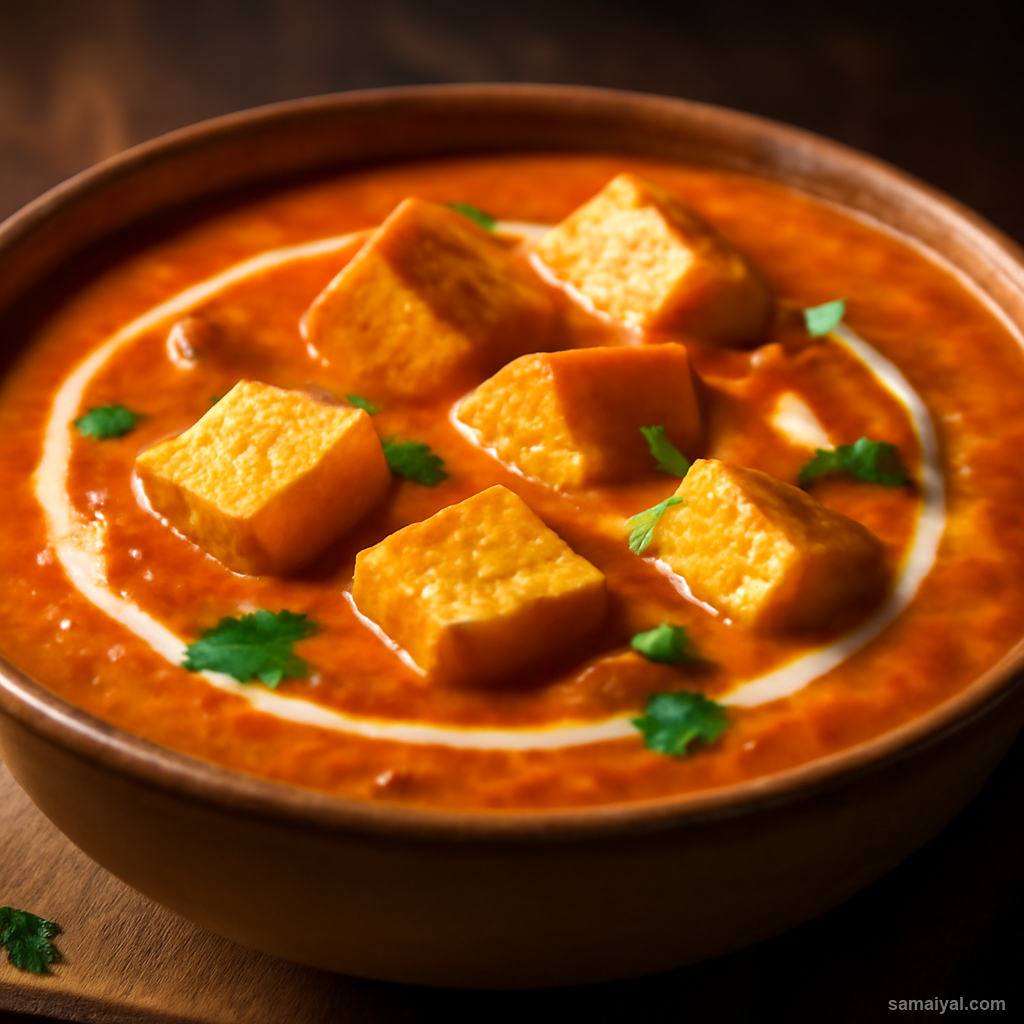
Butter Paneer Masala
Creamy tomato-based curry with soft paneer cubes — the all-time favourite of Indian...
Pumpkin with panch phoron and amchur — the sweet-savoury Bihari pumpkin curry

About Pitehi Kaddu: Pitehi Kaddu is the classic Bihari pumpkin curry — slightly thicker and more deeply flavoured than its everyday cousin Kaddu Sabzi (id 1333). The mash-and-cook style produces a rustic, satisfying texture, and the panch phoron tempering with the sweet-sour finish demonstrates Bihari mastery of balanced flavours. Pairs beautifully with hot puris.
Choose the right pumpkin: Use 500g of yellow pumpkin (kaddu). Look for firm flesh that yields slightly when pressed, with a deep orange interior. Avoid butternut or watery white pumpkin — they cook to mush. The Indian variety with green skin and orange flesh is ideal.
Prepare the pumpkin: Cut the pumpkin in half. Scoop out the seeds and stringy fibres with a spoon. Peel using a sturdy peeler or knife — pumpkin skin is tough so go carefully. Cut the flesh into 2cm cubes.
Understand panch phoron: Panch phoron is the Bengali-Bihari five-spice mix made of equal parts cumin seeds, fennel seeds, fenugreek seeds, mustard seeds and nigella (kalonji). You can buy it ready-mixed at Indian groceries or combine the five seeds yourself. Do not grind it — the seeds are used whole.
Prepare the souring agent: Have 1/2 tsp amchur (dried mango powder) measured and ready. Amchur gives the dish its distinctive Bihari tang — there is no proper substitute, but if you cannot find amchur, 1 tsp lemon juice added at the end is the closest alternative.
Balance with sugar: Have 1/2 tsp sugar measured. The tiny amount of sugar is the key to Bihari sweet-sour balance — it does not make the dish sweet, but rounds out the tang of the amchur and enhances the natural sweetness of the pumpkin.
Heat the mustard oil correctly: Pour 2 tbsp mustard oil into a heavy-bottomed kadhai or wide pan over medium-high heat. Heat for about 1 minute until the oil just begins to smoke and the harsh raw smell mellows. Skipping this step leaves the dish tasting harsh.
Temper with panch phoron: Reduce heat to medium-low. Add 1 tsp panch phoron. Within 10-15 seconds the mustard seeds will pop and the fenugreek will turn light brown. Do not let the fenugreek go dark or it turns bitter — count to 20 seconds and move on.
Add the pumpkin: Tip in the cubed pumpkin. Stir well to coat every piece in the spiced oil. Spread in a single layer.
Dry-fry for flavour: Stir-fry on medium heat for 4-5 minutes without adding any liquid. The cubes should turn slightly golden at the edges and develop a faint roasted aroma. This dry-frying step deepens the flavour and stops the pumpkin from becoming waterlogged later.
Add turmeric and chilli: Sprinkle 1/2 tsp turmeric powder over the pumpkin. Stir for 30 seconds. Add 1 tsp red chilli powder and salt to taste — start with 1/2 tsp. Stir to coat.
Add water and cover: Pour in 1/4 cup water — just enough to create steam, not enough to boil the pumpkin. Cover the pan with a tight-fitting lid and reduce heat to low.
Cook gently: Let the pumpkin steam-cook for 12-15 minutes. Lift the lid every 5 minutes to give a gentle stir, and add 1 tbsp more water only if it looks dry. The pumpkin is done when a fork goes through it without resistance.
Mash partially for the signature texture: Use the back of your spoon to crush about half of the pumpkin against the side of the pan. Leave the rest as cubes. This half-mash creates the characteristic Pitehi Kaddu texture — a thick, silky base with chunky pieces still visible.
Add amchur and sugar: Sprinkle the 1/2 tsp amchur and 1/2 tsp sugar over the pumpkin. Stir gently to combine. Cook uncovered for 2 more minutes so the sweet-sour seasoning melds in. Taste and adjust — pitehi kaddu should be balanced, with no single flavour dominating.
Final flavour check: Taste a piece. The pumpkin should taste mildly sweet at the start, faintly tangy at the end, with a warm spice base. If it tastes too sour, add a tiny pinch more sugar; if too sweet, a small pinch more amchur.
Serve: Switch off the heat. Transfer to a serving bowl. There is no traditional garnish for Pitehi Kaddu — the dish is meant to be plain and rustic. Serve hot with hot puris (the most traditional pairing), paratha, or alongside dal and rice.
⭐ Featured
Creamy tomato-based curry with soft paneer cubes — the all-time favourite of Indian...
 ⭐ Featured
Velvety spinach curry with golden-fried paneer — nutritious, vibrant and absolutely delicious.

Bold, tangy chickpea curry packed with spices — a street food staple that works as a main dish.

Dry-spiced potatoes and cauliflower — simple, aromatic, and endlessly satisfying.
Comments & Tips
Be the first to share your experience with this recipe!
Leave a Comment