 ⭐ Featured
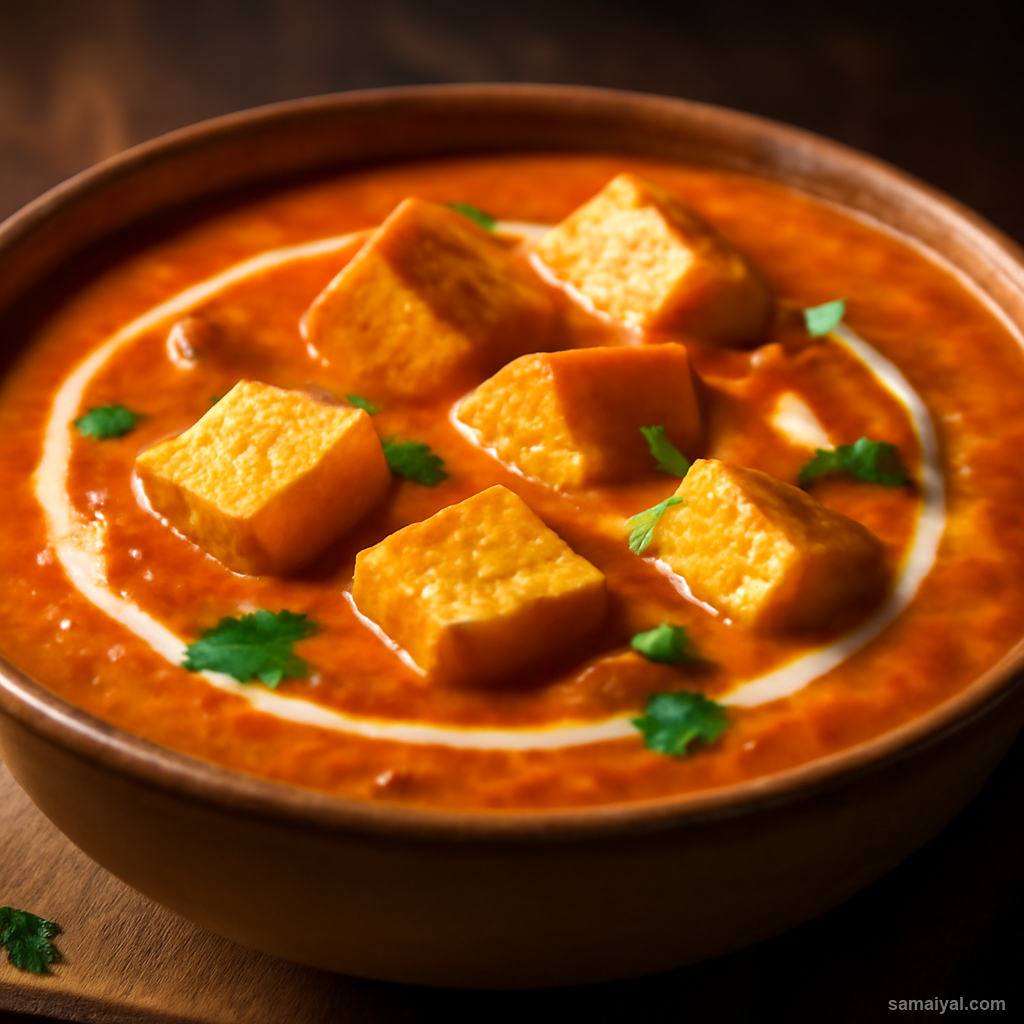
Butter Paneer Masala
Creamy tomato-based curry with soft paneer cubes — the all-time favourite of Indian...
Pork cooked with fermented bamboo shoots and ghost chilli — fiery, bold and iconic Arunachali non-veg
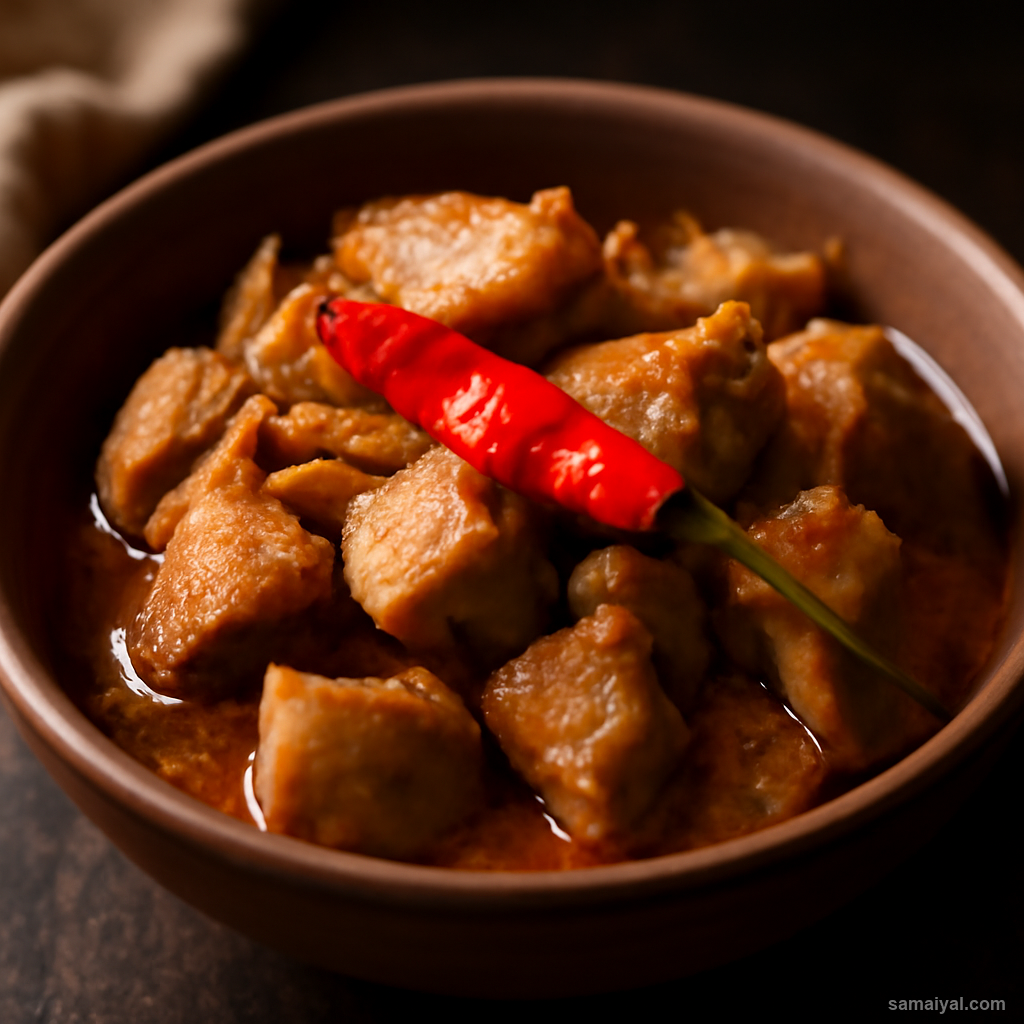
About Pika Pila Pork: Pika Pila is the quintessential Arunachali pork dish. Raja mircha (Bhut Jolokia/ghost chilli) is indigenous to this region. Across Apatani, Adi, and Naga communities, pika pila represents the convergence of three iconic Arunachali ingredients: pork, fermented bamboo shoots, and ghost chilli. Genuinely fierce — not for those who avoid intense heat. The slow cooking renders the pork fat, deepens the bamboo flavour, and integrates the chilli heat throughout.
IMPORTANT chilli safety: Raja mircha is one of the world's hottest chillies — about 1 million Scoville units. Genuinely indigenous to Northeast India. WEAR GLOVES when handling. Work in a well-ventilated kitchen — volatile capsaicin compounds can cause coughing and burning eyes. Do NOT touch face, eyes, or sensitive areas after handling. Wash hands very thoroughly afterward.
Gather ingredients with heat-level options: 500g pork belly cubed into 3-4cm pieces (substitute pork shoulder; avoid lean loin which dries out), 200g fermented bamboo shoots (called khorisa in Assamese, eup in Adi), 1 medium onion finely chopped, 5 garlic cloves minced, 2 tbsp neutral oil, 1 tsp turmeric, 3/4 tsp salt, fresh coriander to garnish. For genuine ghost chilli heat: 2 raja mircha chillies (very hot — only for extreme heat lovers). For moderate heat: 1/2 raja mircha plus 2 fresh green chillies. For mild heat (recommended for most cooks): skip raja mircha entirely, use 4 fresh green chillies (the dish is still authentic in technique and flavour, just at tolerable heat). If using raja mircha, slit each chilli lengthwise wearing gloves.
Clean the pork: Fresh pork belly is pink-rose with white-cream fat, firm to touch. Wash pork pieces under cold running water. Pat very dry with kitchen paper.
Prepare fermented bamboo: Drain and rinse bamboo shoots thoroughly under cold water for 30 seconds — removes excess salt and tames the strongest fermented character. Place rinsed bamboo in a small saucepan with 1 cup fresh water. Bring to a boil over high heat. Boil for 10 minutes. Drain and rinse once more. This thorough prep produces clean tangy character; insufficiently prepared bamboo overwhelms the dish.
Fry the aromatics: Use a heavy-bottomed Dutch oven, large kadhai with lid, or thick-bottomed casserole. Pour 2 tbsp oil into the pot over high heat. Heat 1-2 minutes until very hot. Add chopped onion and minced garlic. Stir-fry 3-4 minutes, stirring often, until soft and golden.
Critical pork sear: Increase heat to maximum. Add the pork cubes. Spread in a single layer. Sear hard for 8 minutes WITHOUT stirring. The pork releases liquid initially, then gradually browns deeply on the bottom. Stirring during this stage prevents proper Maillard browning. Patience is essential.
Stir, brown, season: After 8 minutes of sear, stir the pork pieces. Continue cooking 4 more minutes — pork should now be browned on multiple sides. Properly seared pork shows deep golden-brown surfaces with rendered fat visible in the pan. Sprinkle in 1 tsp turmeric and 3/4 tsp salt. Stir to combine.
Add bamboo, chilli, water: Add the prepared bamboo shoots, the slit ghost/green chillies, and 1/2 cup hot water. Stir gently. Bring to a gentle simmer. Reduce heat to low. Cover the pot tightly.
Low simmer cook: Cook covered for 30 minutes, lifting the lid every 10 minutes to gently stir and check moisture. The braising liquid should always be present. If it gets too low, add 2-3 tbsp hot water.
Doneness check at 30 minutes: Pierce a piece of pork with a fork — should slide in easily. The meat should pull apart with light fork pressure. The fat should look fully translucent and rendered.
Reduce the gravy: Remove the lid. Increase heat to medium-high. Stir gently every 1-2 minutes for the next 5 minutes, allowing the gravy to reduce to a thick glossy sauce that clings to the pork. Should be moderately wet — like thick stew with chunks of pork and bamboo in glossy intensely flavoured sauce.
Final flavour check and finish: Taste a piece of pork with sauce. Should hit you with multiple intense flavours — rich pork, sharp tangy fermented bamboo, fierce chilli heat, sweet caramelised onion, deep aromatic garlic. The chilli heat should be present and pronounced — that is the point of pika pila. If too hot, you cannot reduce the heat (chilli compounds are integrated) — serve with extra rice and yogurt. If not hot enough, add 1/4 tsp red chilli powder during the final 5-minute reduce. Switch off heat and sprinkle 2 tbsp finely chopped fresh coriander over top.
Serve with rice and cooling sides: Serve hot over plain steamed rice — the most traditional Arunachali pairing. Plan generous rice — approximately 1 cup cooked rice per person; pika pila with insufficient rice is genuinely difficult to eat. Plain yogurt or curd-based raita on the side helps cut the heat (the dairy's casein binds with capsaicin compounds, providing genuine heat relief). Pair with cool cucumber slices, raw onion, or simple stir-fried green vegetables for balance.
For first-time eaters: Start with the mild version (no raja mircha, just green chillies). The technique and flavour profile are largely the same; experience is more accessible. If trying ghost chilli for first time, take small bites with plenty of rice. Drink yogurt-based drinks (lassi or buttermilk) — water actually makes the burn worse. Peak burning sensation arrives 60-90 seconds after eating; do not panic if first bite seems mild — heat builds.
A cultural note: The combination of pork, fermented bamboo, and ghost chilli is the iconic Arunachali flavour signature. Each ingredient is genuinely indigenous to the region — pork from highland farming tradition, fermented bamboo from abundant bamboo forests, ghost chilli from local fields. Ghost chilli was named "Bhut Jolokia" because the heat haunts the eater. The 2007 Guinness World Record entry put Northeast India on the global hot-chilli map.
Leftover storage: Stored in fridge in an airtight container, pika pila keeps for 3-4 days and the flavour deepens overnight. The chilli heat actually intensifies with rest. Reheat gently on stovetop with a splash of water. Excellent for next-day rice — the heat-build benefits from leftover treatment.
⭐ Featured
Creamy tomato-based curry with soft paneer cubes — the all-time favourite of Indian...
 ⭐ Featured
Velvety spinach curry with golden-fried paneer — nutritious, vibrant and absolutely delicious.

Bold, tangy chickpea curry packed with spices — a street food staple that works as a main dish.

Dry-spiced potatoes and cauliflower — simple, aromatic, and endlessly satisfying.
Comments & Tips
Be the first to share your experience with this recipe!
Leave a Comment