 ⭐ Featured
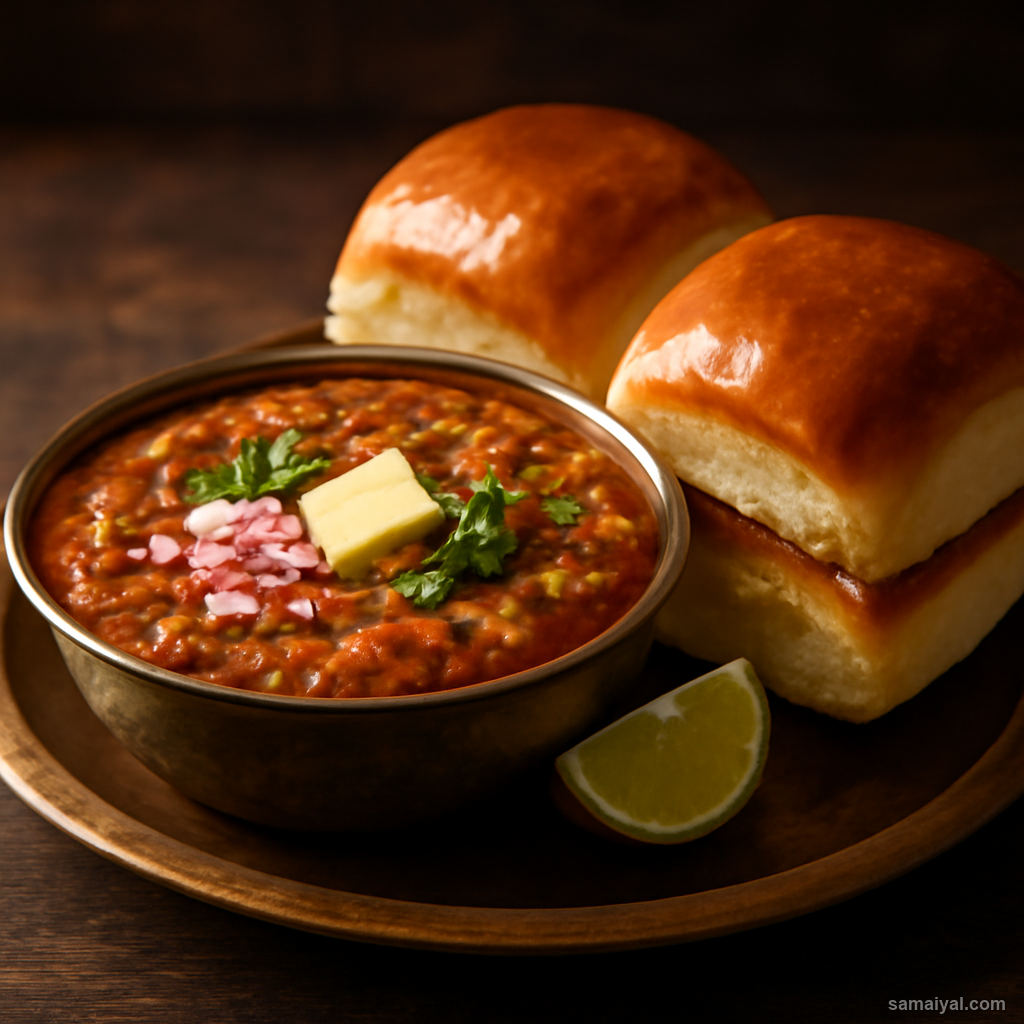
Pav Bhaji
Mumbai's beloved mashed vegetable curry served on butter-toasted soft buns — street food gold.
Tribal/village Tamil Nadu recipe — Cowpea-stuffed kozhukattai — a tribal protein-rich snack.
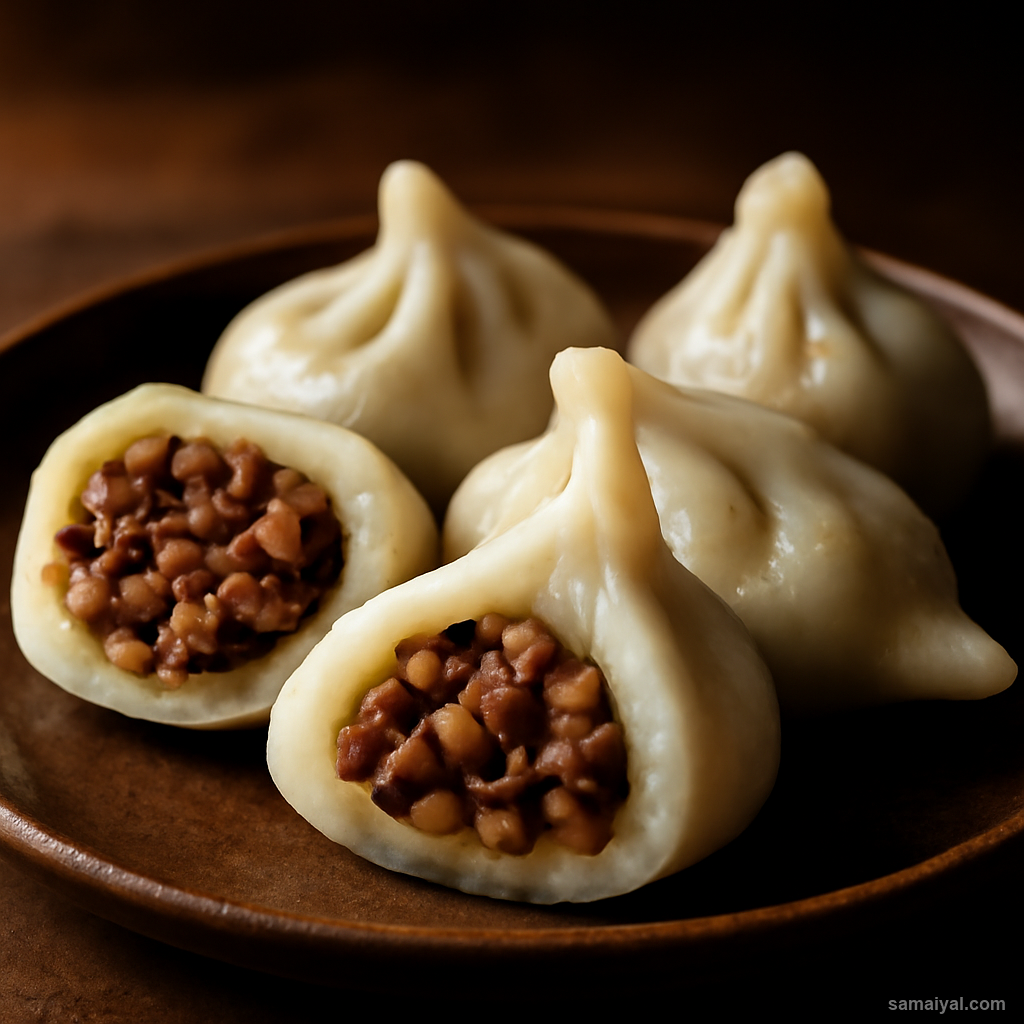
About Peyar Kozhukattai: Peyar Kozhukattai is the cowpea-stuffed kozhukattai — a tribal protein-rich snack. Combines "peyar" (Tamil for cowpea, also called black-eyed pea) with "kozhukattai" (steamed dumpling). One of the more rustic kozhukattai variations — using cowpea, an ancient legume cultivated in Tamil Nadu for thousands of years that thrives in dry-land farming.
Note on source: The original recipe instructions were template-generated boilerplate. This rewrite provides correct technique for steamed cowpea-filled rice flour dumplings.
Gather ingredients: 1/2 cup whole cowpea (Tamil "peyar" — small beige beans with characteristic black "eye" spot; available at every Indian grocery), 1.5 cups fine rice flour, 1 tsp grated fresh ginger, 2 finely chopped green chillies, 1 tsp cumin seeds, 1/2 tsp mustard seeds, 1/4 tsp asafoetida, 1 sprig fresh curry leaves chopped, 2 tbsp freshly grated coconut, 1 tsp sesame oil, salt to taste.
Soak and cook the cowpea: Wash cowpea in 2-3 changes of cold water. Cover with plenty of cold water and soak overnight (8-12 hours). Drain. Place in a saucepan with 2 cups fresh water and 1/2 tsp salt. Bring to a boil over high heat. Reduce to medium. Simmer 25-30 minutes until very soft when pressed — should mash easily between thumb and finger. If still firm, continue cooking 5-10 more minutes. Drain through a sieve. Mash coarsely with a fork or potato masher — some texture should remain (not pureed).
Make the filling: Heat 1 tsp sesame oil in a small pan over medium heat. Add 1/2 tsp mustard seeds. Wait for popping. Add cumin seeds, asafoetida, chopped curry leaves, chopped green chillies, and grated ginger. Stir for 30 seconds. Add the mashed cowpea and 2 tbsp grated coconut. Stir to integrate the tempering. Add salt to taste — about 1/2 tsp. Stir for 2 minutes — filling integrates and moisture reduces slightly. Set aside to cool at room temperature.
Make the dough: Place 1.5 cups rice flour and a pinch of salt in a wide bowl. Pour about 3/4 cup just-off-boiled hot water over the flour. Mix first with a wooden spoon, then with hands when cool enough. Add more hot water 1 tbsp at a time until soft and pliable — like playdough. Knead briefly 3-5 minutes (rice flour does not develop gluten). Cover with a damp cloth and rest 10 minutes.
Divide and shape: Pinch off 30g portions of dough (12-14 portions). Keep all under a damp cloth — exposed dough dries quickly. Take one portion, flatten between palms into a 6cm round disc, 3mm thick. Place 1 tablespoon of cowpea filling in the centre.
Seal the kozhukattai: Bring edges of the disc up around the filling, pinch firmly to seal completely. The tribal Tamil shape is a simple round dumpling pinched at the top, or half-moon with crimped edge. The seal must be airtight or filling leaks. Place shaped kozhukattai on a plate and rest 5-10 minutes — allows seals to set.
Prepare and steam: Use a bamboo steamer or any standard steamer with at least 5cm water in the bottom pan. Line the surface with banana leaves (adds aromatic character) or muslin cloth. Bring water to a rolling boil — visible turbulent boiling. Once boiling, arrange in single layer with space between each. Cover. Steam 15 minutes. Do not lift the lid during steaming.
Doneness check: Lift the lid carefully. Kozhukattai should look glossy, slightly translucent, firm to gentle press. Pierce one with a thin knife — should come out clean. Filling should be hot. If undercooked, steam 5 more minutes. Switch off heat and rest covered 5 minutes.
Serve warm: Lift onto a serving plate. Best with fresh coconut chutney with mustard tempering — cooling contrast. For tea-time eating, hot tea is excellent pairing. For breakfast, the combination of rice flour and cowpea provides complete protein for sustained morning energy.
For children, gluten-free, tribal authenticity: Children find peyar kozhukattai appealing — mild flavour, soft texture, easily eaten. Naturally gluten-free, suitable for celiac or gluten-sensitive individuals. The dish belongs to rural Tamil tribal cooking heritage. At rural Tamil tribal celebrations, this appears as one of the festive snacks.
Variations: Some tribal Tamil families add 1 tbsp finely chopped fresh coriander to the filling. Others add 1/4 tsp red chilli powder for additional warmth. For sweet variation, replace cowpea filling with coconut-jaggery filling — same dough, sweet filling.
A cultural and nutritional note: The cowpea kozhukattai tradition reflects Tamil rural agricultural wisdom — using locally grown drought-resistant legumes (cowpea) to make protein-rich snacks. As Tamil agriculture has shifted to monocrops (rice and wheat), traditional crops like cowpea have declined. Cooking peyar kozhukattai preserves a genuinely traditional Tamil dryland farming heritage. Cowpea provides exceptional protein (approximately 24% by weight), iron, calcium, and fibre. Combined with rice flour, the dish delivers complete amino acid profile.
Leftover storage: Stored in fridge for 2 days. Refresh by re-steaming briefly (5 minutes over boiling water).
⭐ Featured
Mumbai's beloved mashed vegetable curry served on butter-toasted soft buns — street food gold.

Fluffy steamed chickpea flour cake from Gujarat — light, spongy, tangy and totally addictive.

Mumbai's vegetarian burger — spiced potato dumpling in a fried batter, served in a...
 ⭐ Featured
Crispy golden pastry filled with spiced potatoes and peas — India's most loved snack,...
Comments & Tips
Be the first to share your experience with this recipe!
Leave a Comment