 ⭐ Featured
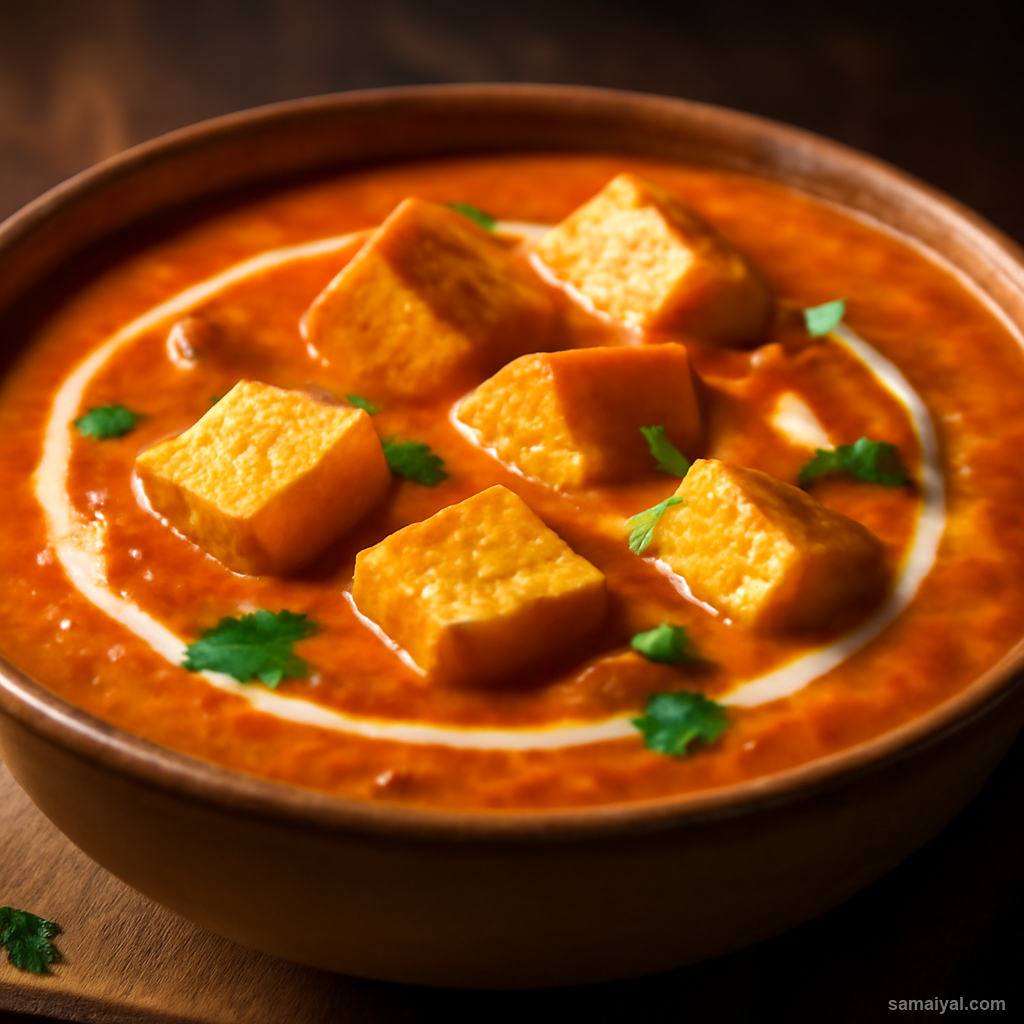
Butter Paneer Masala
Creamy tomato-based curry with soft paneer cubes — the all-time favourite of Indian...
The complete Naga meal as served during the Hornbill Festival — steamed rice, smoked pork with axone, boiled vegetables, Naga chilli paste and rice beer. An assembly guide for understanding how a traditional Naga meal is structured and served.

The Naga meal structure: A traditional Naga meal has a specific structure: rice is the centre, one or two meat preparations form the main protein, a boiled vegetable preparation provides greens, and a chilli paste or fermented ingredient provides the sharp, pungent element. There is no formal course sequence — everything is placed on the table simultaneously.
Prepare each component: Prepare smoked pork with axone according to its recipe (30 to 40 minutes). Prepare boiled vegetables with dried fish (15 to 20 minutes). Make the Naga chilli paste (10 minutes). Steam the rice (20 minutes). All can be made simultaneously.
Serve the rice centrally: Place a generous mound of steamed rice in the centre of each person's plate or bowl. In Naga culture, rice is always placed first and the other preparations are placed around it.
Place meat preparation alongside: Add the smoked pork with axone alongside the rice.
Add boiled vegetables: Add a serving of the boiled vegetables with its broth alongside.
Place chilli paste separately: Place the Naga chilli paste in a separate small bowl on the side — each person takes as much or as little as they can handle.
Add spring onions and fresh chilli: Place a few spring onion stems and fresh chilli alongside each plate.
Serve rice beer if prepared: Pour zutho rice beer into cups and place alongside.
The eating approach: The Naga meal is eaten by combining rice with the meat and vegetable preparations in each spoonful — not eating each component separately. The chilli paste is added to each bite according to individual heat tolerance.
The communal aspect: Traditional Naga meals are communal and shared — food is placed in the centre of the group and everyone serves themselves.
Note: The Hornbill Festival is held every December in Kisama village near Kohima — a 10-day festival showcasing the cultural traditions of all 16 Naga tribes. Food stalls at the festival serve preparations from each tribe, creating the most comprehensive showcase of Naga culinary diversity in one place. This Naga thali represents the everyday meal that is the foundation of Naga life — rice, meat, vegetables and chilli in balance.
⭐ Featured
Creamy tomato-based curry with soft paneer cubes — the all-time favourite of Indian...
 ⭐ Featured
Velvety spinach curry with golden-fried paneer — nutritious, vibrant and absolutely delicious.

Bold, tangy chickpea curry packed with spices — a street food staple that works as a main dish.

Dry-spiced potatoes and cauliflower — simple, aromatic, and endlessly satisfying.
Comments & Tips
Be the first to share your experience with this recipe!
Leave a Comment