 ⭐ Featured
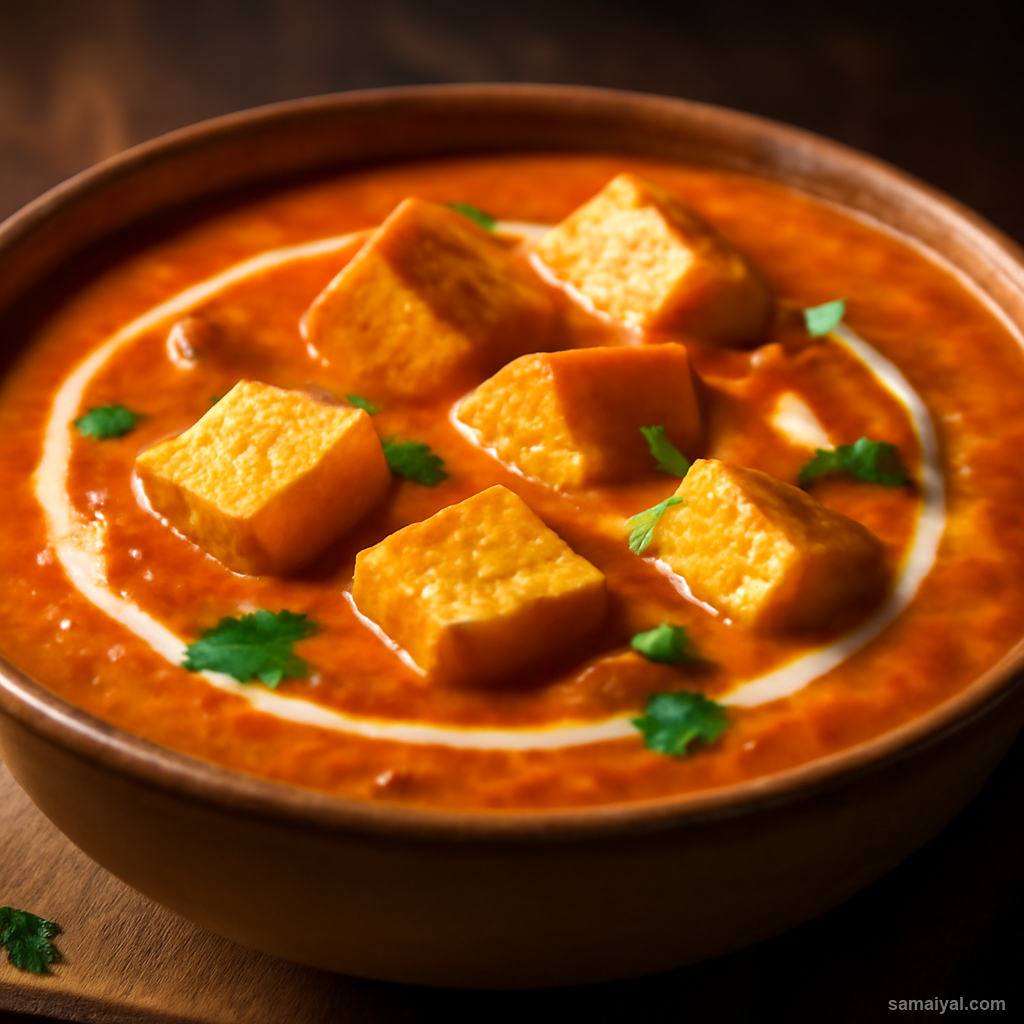
Butter Paneer Masala
Creamy tomato-based curry with soft paneer cubes — the all-time favourite of Indian...
Fermented soybean (hawaijar) cooked with dried fish, herbs and local vegetables into a thick, pungent preparation that is the most intensely flavoured everyday side dish of Meitei cooking. Central to the Manipuri meal.
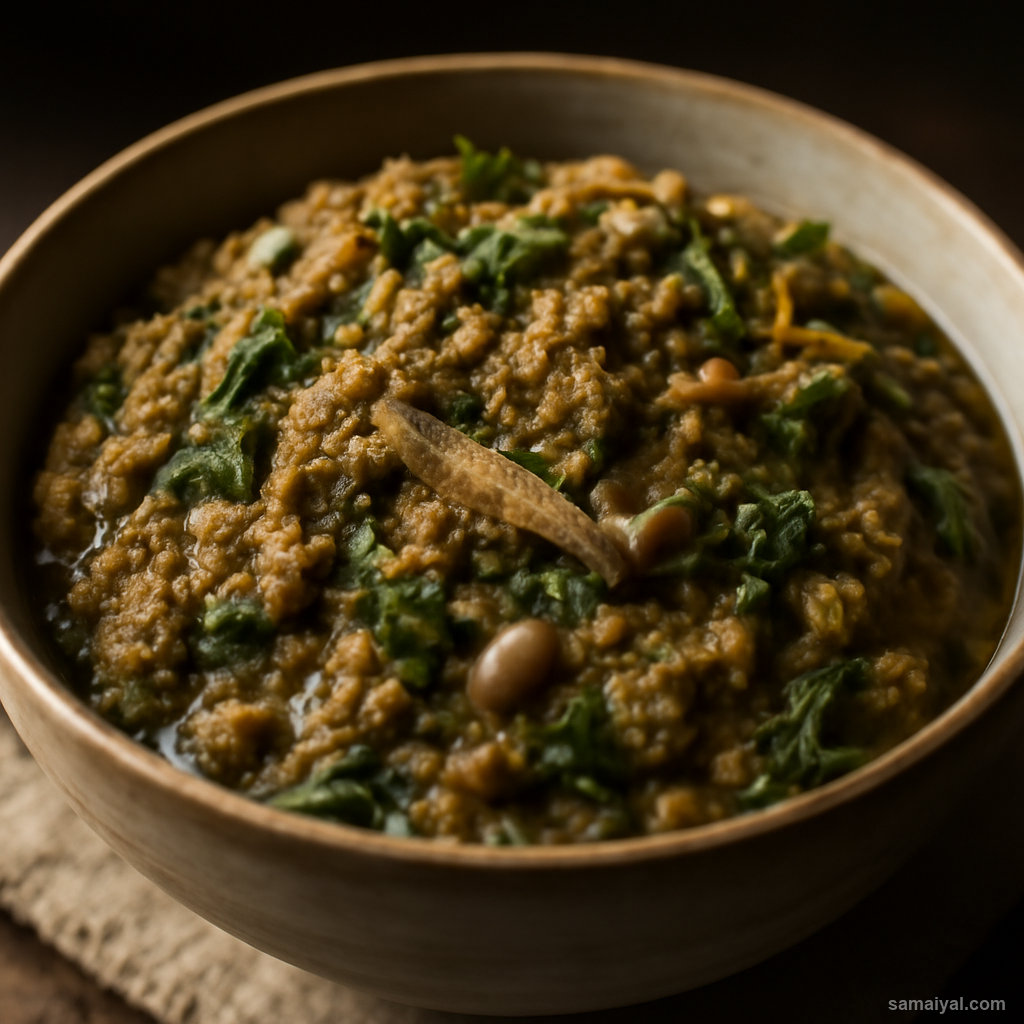
Roast the ngari: Roast dried fermented fish briefly over a flame or in a dry pan for 30 seconds until fragrant and slightly darkened.
Roast the dried red chilli: Roast dried red chilli in a dry pan for 1 to 2 minutes until darkened and blistered.
Pound ngari and chilli: In a mortar pound the roasted ngari and dried red chilli together into a rough paste. Add crushed garlic and grated ginger. Pound together until combined but still textured.
Heat mustard oil: Heat 2 tbsp mustard oil until smoking, reduce to medium.
Add the pounded ngari-chilli paste: Add the pounded paste to the hot oil. Fry stirring for 1 to 2 minutes on medium heat. The pungent fermented fish smell will transform into a deeply savoury, complex aroma as it fries.
Add the hawaijar: Add the fermented soybean (hawaijar). Stir to combine with the ngari-chilli oil. The fermented soybean and fermented fish together create an intensely flavoured base.
Add green chilli: Add sliced fresh green chilli. Stir.
Add boiled vegetables if using: Add the roughly mashed boiled pumpkin or yam. Stir together. Cook 3 to 4 minutes until everything is incorporated.
Season and taste: Add salt (both ngari and hawaijar contribute saltiness — taste before adding much salt). Stir.
Serve: Transfer to a bowl. Garnish with sliced spring onions. Serve as a side preparation with steamed rice.
Note: Chagem Pomba uses two fermented ingredients simultaneously — hawaijar (fermented soybean) and ngari (fermented fish) — creating a depth of umami flavour that cannot be replicated by any other combination. This double fermentation character is a specific Meitei cooking technique. The preparation is an acquired taste for those unfamiliar with fermented foods but is considered deeply flavoured and prized within Manipuri food culture.
⭐ Featured
Creamy tomato-based curry with soft paneer cubes — the all-time favourite of Indian...
 ⭐ Featured
Velvety spinach curry with golden-fried paneer — nutritious, vibrant and absolutely delicious.

Bold, tangy chickpea curry packed with spices — a street food staple that works as a main dish.

Dry-spiced potatoes and cauliflower — simple, aromatic, and endlessly satisfying.
Comments & Tips
Be the first to share your experience with this recipe!
Leave a Comment