 ⭐ Featured
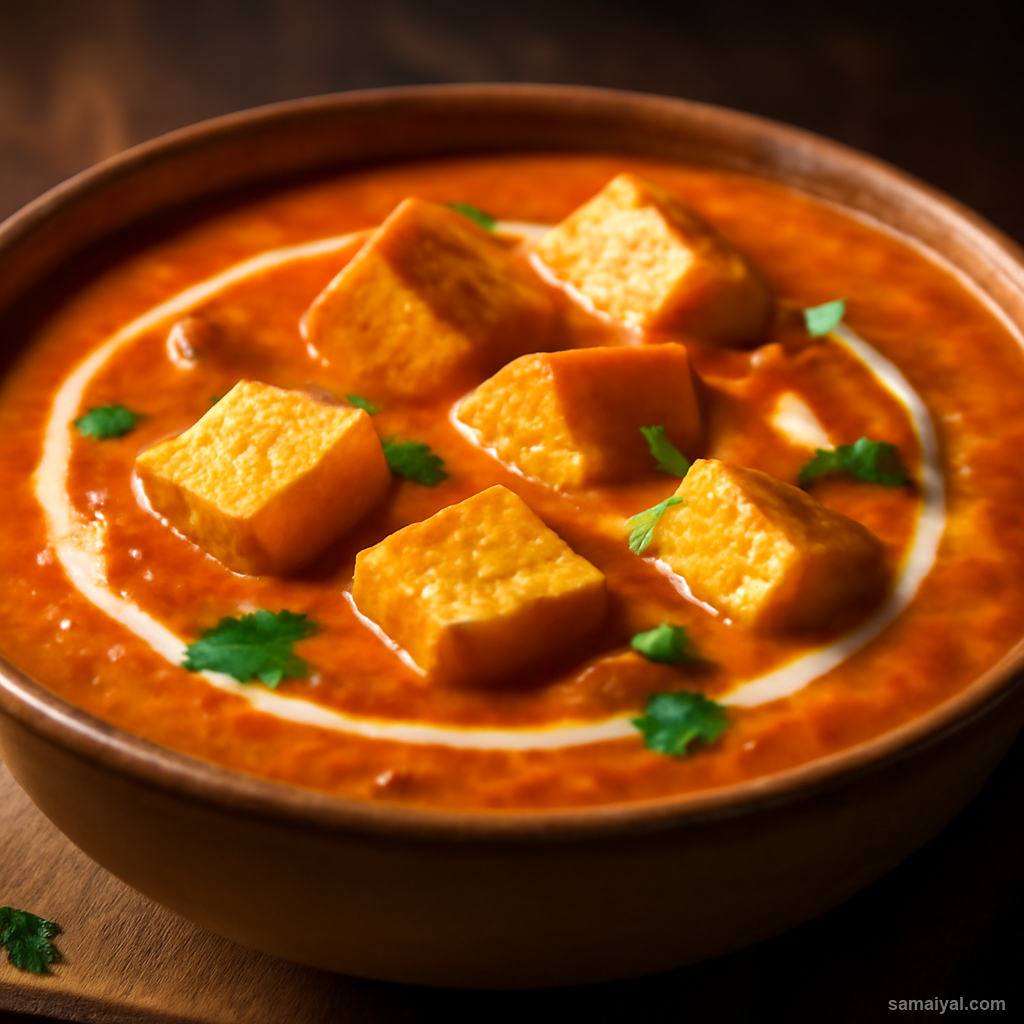
Butter Paneer Masala
Creamy tomato-based curry with soft paneer cubes — the all-time favourite of Indian...
A thick, comforting porridge of rice and split chickpea lentils cooked together with mustard oil and minimal spices — the everyday sustaining meal of Jharkhand's rural households.

About Jharkhand Chana Dal Khichdi: A simple one-pot tribal khichdi from Jharkhand combining rice and chana dal, tempered with mustard oil, cumin, and dried red chillies. Earthy, mildly spiced, and deeply nourishing — everyday food across rural Jharkhand and Adivasi communities.
Gather ingredients: 1 cup raw rice, 1/2 cup chana dal (split Bengal gram — yellow and slightly larger than moong dal), 2 tbsp mustard oil, 1 tsp cumin seeds, 2 dried red chillies, 1/4 tsp turmeric, salt to taste, 3 cups water, fresh coriander for garnish.
Wash rice and dal: Wash rice and chana dal together in 2-3 changes of cold water until water runs mostly clear. Drain.
Pre-soak the dal: Soak chana dal in fresh water for 30 minutes — chana dal is harder than moong dal and benefits from a brief soak. Drain.
Heat the mustard oil: In a heavy-bottomed pot or pressure cooker, heat 2 tbsp mustard oil until it smokes lightly. Reduce to medium heat — this neutralises the raw mustard flavour.
Temper the spices: Add 1 tsp cumin seeds and 2 broken dried red chillies to the hot oil. Sizzle for 20 seconds until fragrant.
Add rice and dal: Add the soaked drained dal and washed rice. Toss in the tempered oil for 2 minutes — every grain should be coated.
Add turmeric and water: Sprinkle in 1/4 tsp turmeric. Pour in 3 cups water. Add salt to taste — about 1 tsp.
Pressure cook (recommended): Close the pressure cooker. Cook on high heat until 3 whistles. Reduce to low and cook 5 more minutes. Let pressure release naturally for 10 minutes.
Stovetop alternative: Bring to a boil. Reduce heat to lowest. Cover tightly and cook 25-30 minutes without lifting the lid. The rice and dal should be soft and broken down.
Doneness check: Open the cooker. Rice and dal should be soft and merged into a thick, slightly flowing porridge. If too thick, stir in 1/4 cup hot water. If too thin, simmer uncovered 3-4 minutes.
Mash for body: Use the back of a wooden spoon to lightly mash some of the rice and dal — about 30 seconds — for a creamier texture.
Final taste: Should taste earthy and satisfying — gentle cumin and chilli warmth from the tempering, mineral character from the mustard oil, soft rice-dal foundation. Adjust salt as needed.
Garnish and serve: Sprinkle 2 tbsp finely chopped fresh coriander over the top. Serve hot in deep bowls with a small dollop of ghee on top for richness, alongside chokha (mashed roasted vegetable), pickle, and raw onion-and-chilli.
For children, healthy eating: Mild, soft, and easily digested — excellent for young children, illness recovery, and elderly. Combination of rice and chana dal provides complete plant protein.
A cultural and nutritional note: Tribal Jharkhand khichdi reflects the principle of one-pot cooking with locally available grains. Each serving provides complete protein, complex carbs, fibre, B vitamins, and minerals.
Leftover storage: Keeps in the fridge for 2-3 days. Texture firms when cold; refresh with 1/4 cup hot water before reheating gently on the stovetop.
⭐ Featured
Creamy tomato-based curry with soft paneer cubes — the all-time favourite of Indian...
 ⭐ Featured
Velvety spinach curry with golden-fried paneer — nutritious, vibrant and absolutely delicious.

Bold, tangy chickpea curry packed with spices — a street food staple that works as a main dish.

Dry-spiced potatoes and cauliflower — simple, aromatic, and endlessly satisfying.
Comments & Tips
Be the first to share your experience with this recipe!
Leave a Comment