 ⭐ Featured
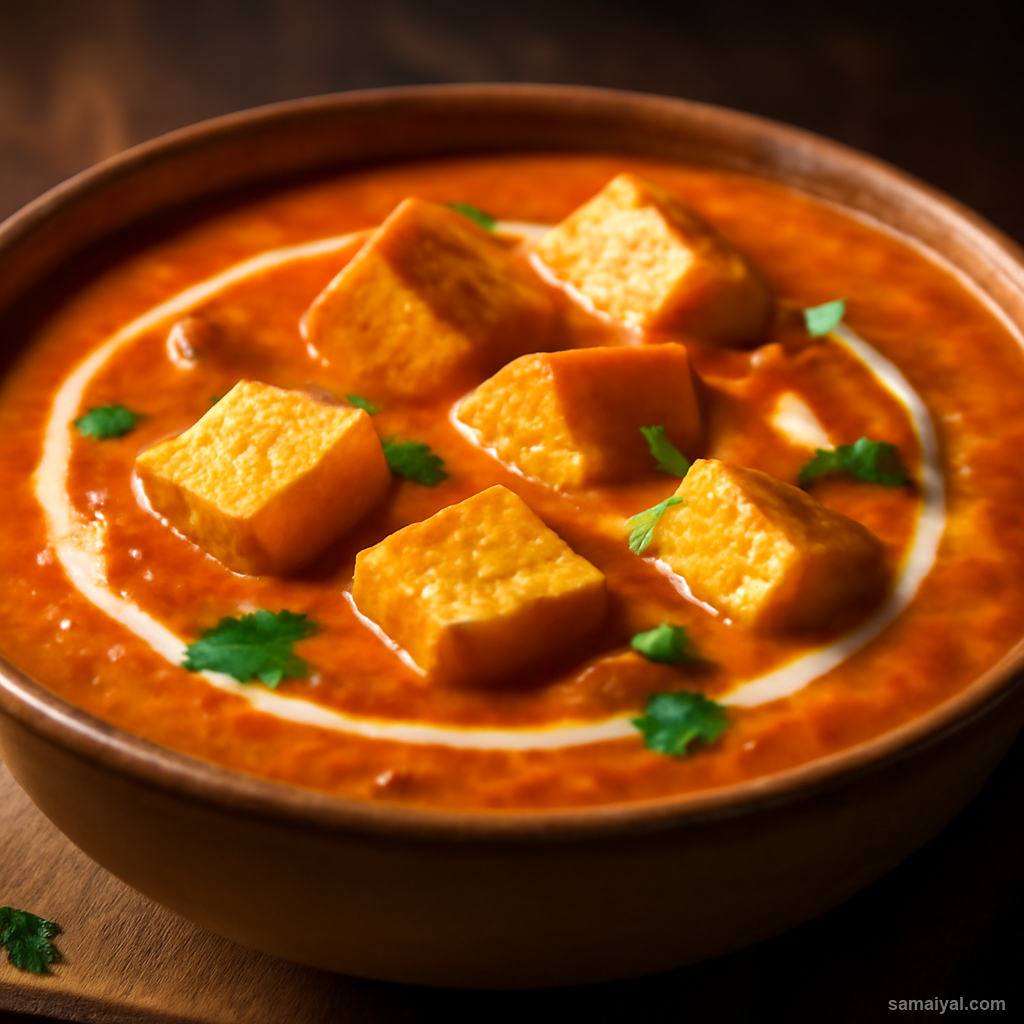
Butter Paneer Masala
Creamy tomato-based curry with soft paneer cubes — the all-time favourite of Indian...
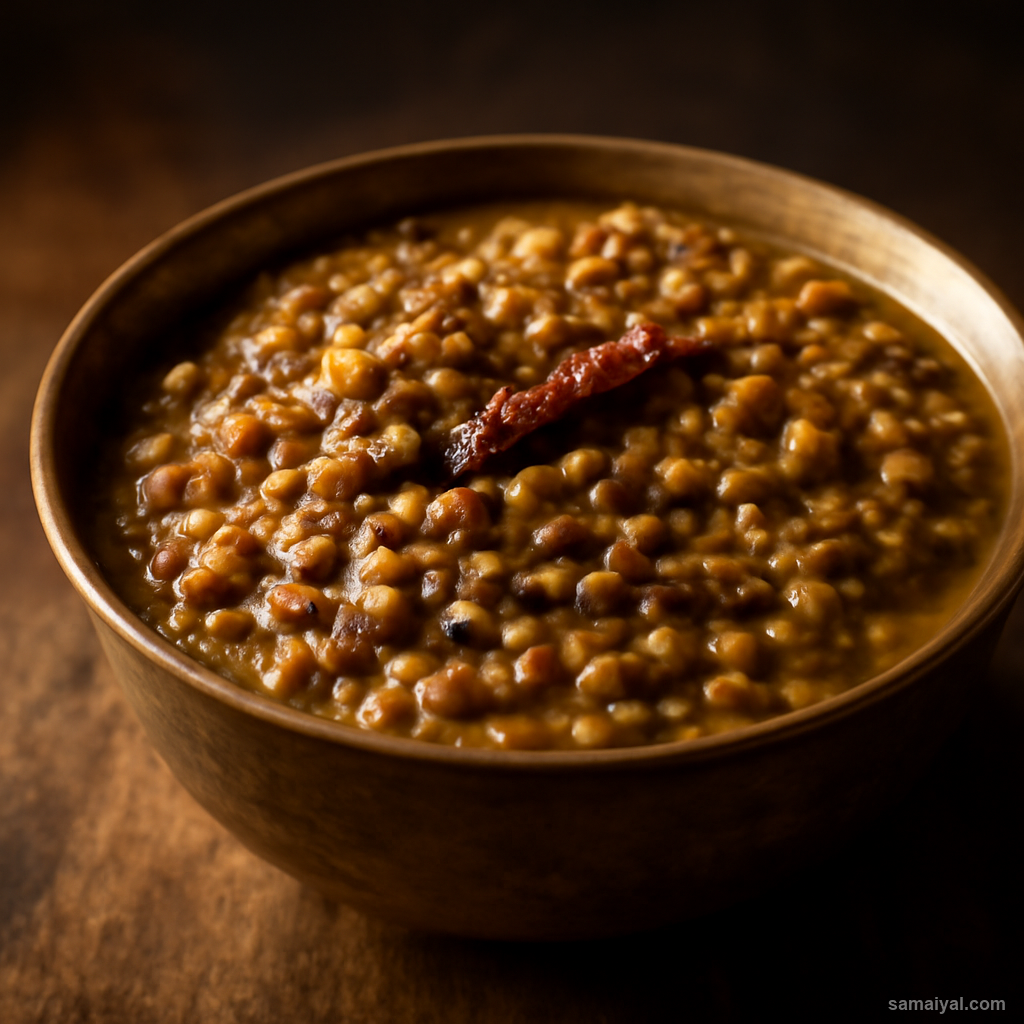
A blend of whole masoor dal and urad dal cooked together with a simple mustard oil and cumin tempering — the everyday dal of Himachal Pradesh eaten at every meal. The mountain version has less water and a thicker consistency than plains dal.
Wash the lentils: Wash whole masoor and whole urad dal together in several changes of water until mostly clear.
Pressure cook: Combine both washed lentils in a pressure cooker with 3 cups water and 1/2 tsp turmeric. Cook on high until first whistle then medium for 6 to 7 whistles. Whole masoor and urad take longer than split lentils. Open after pressure releases — the lentils should be fully soft but still holding their shape. Partially mash with a spoon.
Heat mustard oil until smoking: Heat 3 tbsp mustard oil in a pan until smoking. Reduce to medium.
Add cumin, asafoetida and dried chilli: Add cumin seeds — wait to crackle. Add asafoetida and dried red chilli. Stir 15 seconds.
Cook onion: Add finely chopped onion. Cook 8 minutes until golden.
Add ginger and garlic: Add ginger paste and garlic paste. Stir 2 minutes.
Add tomato: Add finely chopped tomato. Cook 4 minutes until soft.
Add spices: Turn to low. Add red chilli powder. Stir 1 minute.
Combine with dal: Pour the cooked lentils into the tadka pan. Add salt. Stir well. Simmer on medium-low heat for 5 to 8 minutes until the flavours blend. The Pahadi dal should be thicker than plains versions — add water only if it becomes too stiff.
Serve: Scatter coriander leaves. Serve with wheat roti or rice.
Note: Pahadi Dal (pahadi = mountain in Hindi) is the simple, everyday lentil preparation of Himachal Pradesh. The use of whole lentils with their skins rather than split lentils gives a heartier, more filling dal suited to the cold mountain climate and the energy needs of mountain life. Mustard oil is the universal cooking medium across the mountain states — it has a higher smoke point than most oils and is considered warming in traditional practice.
⭐ Featured
Creamy tomato-based curry with soft paneer cubes — the all-time favourite of Indian...
 ⭐ Featured
Velvety spinach curry with golden-fried paneer — nutritious, vibrant and absolutely delicious.

Bold, tangy chickpea curry packed with spices — a street food staple that works as a main dish.

Dry-spiced potatoes and cauliflower — simple, aromatic, and endlessly satisfying.
Comments & Tips
Be the first to share your experience with this recipe!
Leave a Comment