 ⭐ Featured
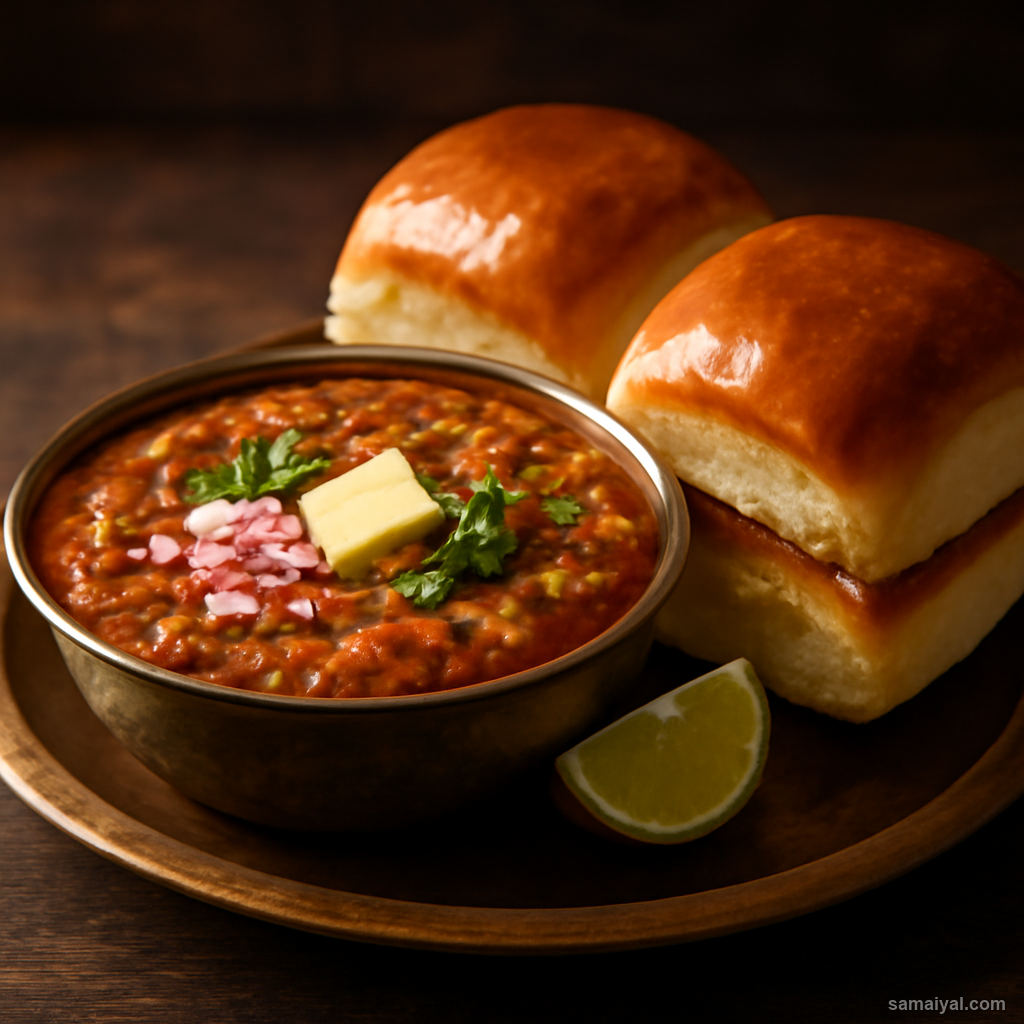
Pav Bhaji
Mumbai's beloved mashed vegetable curry served on butter-toasted soft buns — street food gold.
Deep-fried round sweet rice and coconut cakes — the simplest Assamese pitha
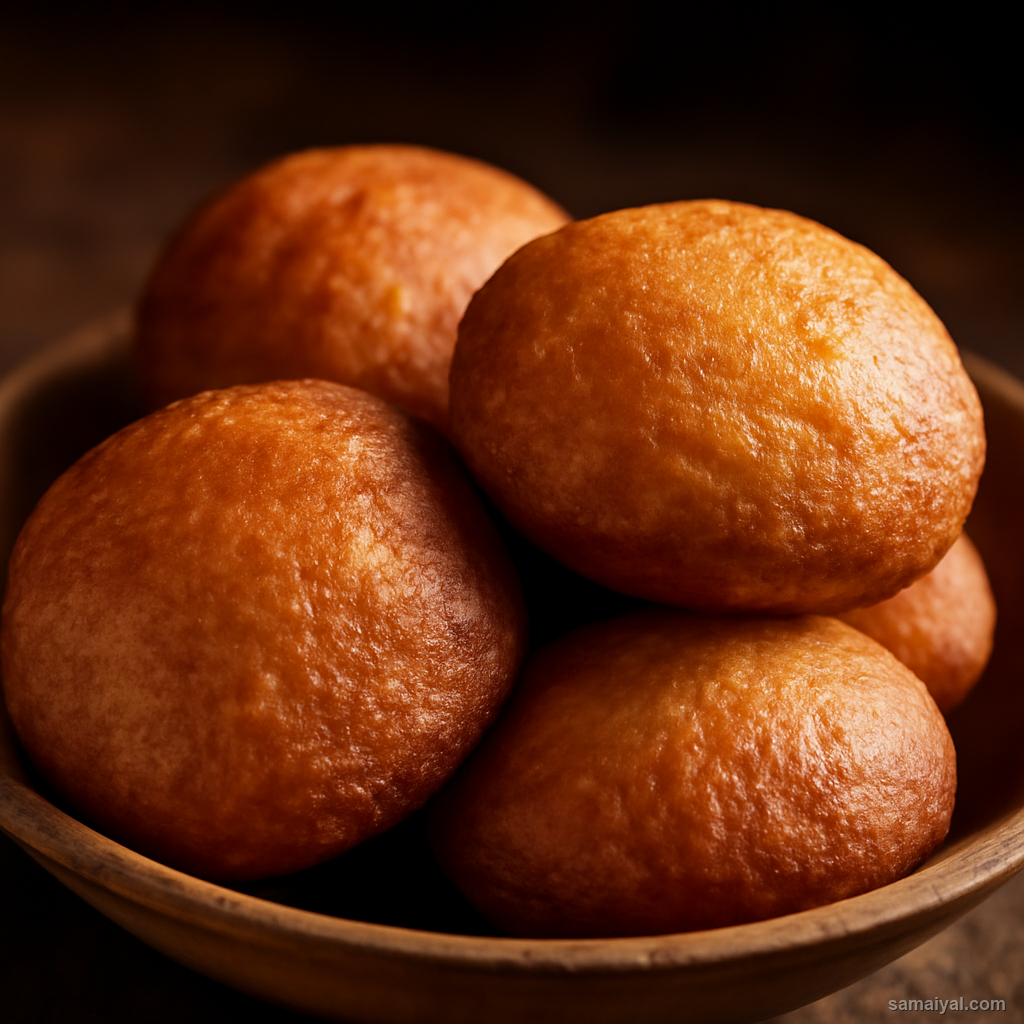
About Ghila Pitha: Ghila Pitha is the simplest of all Assamese pithas — round, deep-fried sweet cakes made from glutinous rice flour, jaggery and coconut. Unlike stuffed pithas, the sweet ingredients are mixed directly into the batter, making this an easy recipe perfect for beginners. Ghila Pitha is the everyday pitha of Assamese homes — made for tea-time, festivals like Bihu, and after-school snacks.
Choose the right rice flour: Use 2 cups of glutinous rice flour (also sold as sweet rice flour or sticky rice flour). The high starch content is what makes the pithas soft and slightly chewy. Regular rice flour will not produce the right texture and the pithas may crumble.
Use fresh coconut: Use 1/4 cup of freshly grated coconut. Fresh coconut gives by far the best flavour. Grate finely on the small holes of a box grater. If unavailable, use frozen grated coconut (thawed completely) — desiccated coconut soaked in 2 tbsp warm water for 10 minutes is the last-resort substitute.
Prepare the jaggery syrup: Take 1/2 cup grated jaggery. Place in a small saucepan with 1/2 cup water. Heat on low heat, stirring continuously with a wooden spoon, for 3-4 minutes until the jaggery has fully dissolved into a smooth dark syrup.
Strain the syrup: Pure jaggery often contains tiny grit and impurities from production. Pour the dissolved syrup through a fine sieve into a clean bowl. Discard any sediment.
Cool the syrup partially: Let the jaggery syrup cool for 10 minutes — until just warm to the touch. Hot syrup will partly cook the rice flour into clumps, while cold syrup does not blend as smoothly.
Mix the dry ingredients: In a wide mixing bowl combine the 2 cups glutinous rice flour, 1/4 cup grated coconut, 1/4 tsp cardamom powder and a small pinch of salt. Whisk briefly with your fingers to distribute everything evenly.
The batter consistency: Pour the warm jaggery syrup gradually into the dry ingredients while mixing with a spoon. Mix to form a thick batter — neither too thick (cannot be dropped from a spoon) nor too thin (spreads too much during frying).
Adjust the consistency: The right ghila pitha batter holds its shape on a spoon but flows when tilted. If too thick, add 1 tbsp warm water. If too thin, add 1-2 tbsp more glutinous rice flour. Aim for a consistency like thick pancake batter or condensed cream.
Let the batter rest: Cover the bowl and let the batter rest for 15-20 minutes. Resting allows the rice flour to absorb the liquid fully and the cardamom to flavour the batter. The batter may thicken slightly during resting; if so, stir in 1 tsp warm water to restore consistency.
Heat the oil correctly: Pour neutral cooking oil into a deep heavy pan to a depth of at least 5cm. Place over medium heat. Test the temperature by dropping in a small amount of batter — it should sink briefly, then rise to the surface within 5-7 seconds with steady small bubbles around it. Too hot and the outside burns before the inside cooks; too cool and the pithas absorb oil.
Drop the batter in: Use a tablespoon. Scoop up a heaping spoonful of batter. Slide it gently into the hot oil, releasing the spoon close to the oil surface to avoid splashing. The batter will sink briefly, then float up as it puffs.
Fry in small batches: Add 4-5 spoonfuls of batter at a time — do not crowd the pan or the temperature drops. The pithas should have room to float without touching each other.
Fry until evenly golden: Fry on medium heat for 3-4 minutes total per batch. Turn each pitha gently with a slotted spoon halfway through, so both sides brown evenly. They should be deep golden brown all over — pale frying produces undercooked centres.
Check the centre: Lift one out and break it open at the side — the centre should be cooked through, slightly chewy, and fully tan in colour. If still pale and gummy in the centre, fry 1-2 minutes more next batch.
Drain on paper: Lift out with a slotted spoon and drain on kitchen paper for 1-2 minutes. The drainage is brief — pithas eaten warm taste better than fully cooled.
Serve warm: Ghila Pitha tastes best within 30 minutes of frying, while still slightly warm and just-crispy outside, soft and chewy inside. Pair with hot tea or coffee. The combination is a quintessential Assamese tea-time treat. Stored in an airtight container at room temperature, they keep for 2 days; refresh by warming in a 150C oven for 5 minutes before serving.
⭐ Featured
Mumbai's beloved mashed vegetable curry served on butter-toasted soft buns — street food gold.

Fluffy steamed chickpea flour cake from Gujarat — light, spongy, tangy and totally addictive.

Mumbai's vegetarian burger — spiced potato dumpling in a fried batter, served in a...
 ⭐ Featured
Crispy golden pastry filled with spiced potatoes and peas — India's most loved snack,...
Comments & Tips
Be the first to share your experience with this recipe!
Leave a Comment