 ⭐ Featured
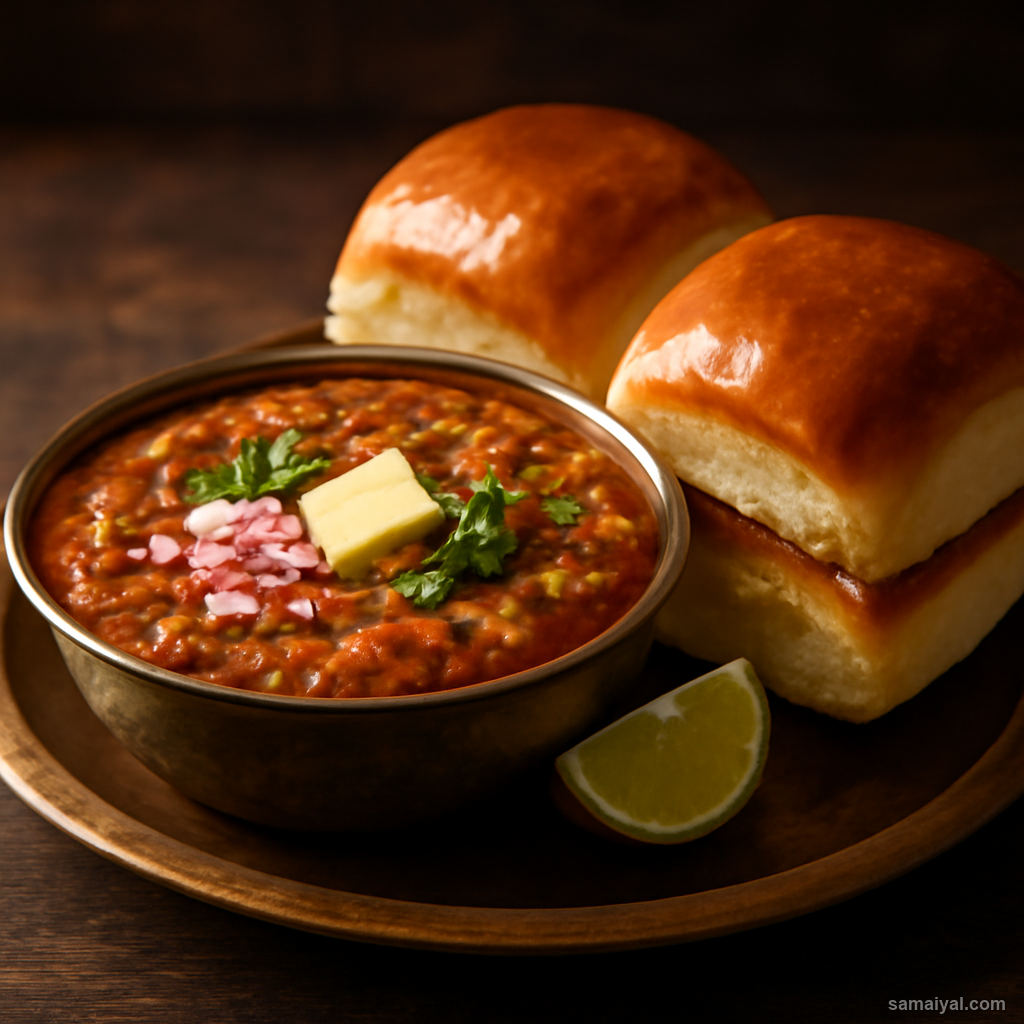
Pav Bhaji
Mumbai's beloved mashed vegetable curry served on butter-toasted soft buns — street food gold.
Fried eri silk moth pupae with turmeric and chilli — traditional high-protein Assamese tribal snack

About Endi Polu: Endi Polu (also called eri silk pupae) is a traditional and highly nutritious Assamese food — a byproduct of the eri silk industry that has been part of Assamese tribal cooking for centuries. Eri silk is unique among silk textiles in that the silk is harvested without killing the moth — the pupae emerge from cocoons naturally. The pupae are then collected, cleaned and used as a high-protein food. Yes, this is an insect dish, and yes, it is a respected delicacy in Assam.
Understand the cultural context: Insect protein has been a part of Northeast Indian and Southeast Asian cuisines for thousands of years. The pupae are considered nutritionally superior to many meats, with high protein, healthy fats and B-vitamins. If you are uncertain about trying insect food, that is a personal choice — but the dish has deep cultural value in Assam.
Where to source: Eri silkworm pupae are sold dried or fresh at specialty Northeast Indian groceries, online tribal-food retailers, and some Asian supermarkets. They are typically sold frozen or pre-cleaned. Fresh ones may be available in Assam itself but are unusual outside Northeast India.
If you cannot source pupae: This recipe does not have a meat substitute. If pupae are not available, consider trying the technique with a similar protein — small dried prawns work surprisingly well and produce a distantly comparable crispy snack.
Clean the pupae: Place 200g of eri silkworm pupae in a sieve. Rinse very gently under cold running water for 30 seconds — the pupae are delicate and break easily. If using frozen, thaw in the fridge overnight first.
Drain and pat dry: Spread the rinsed pupae on a clean kitchen towel. Pat very gently with another towel on top. Then leave to air-dry for 10 minutes — wet pupae will not crisp properly when fried.
Marinate the pupae: Place the dried pupae in a wide bowl. Add 1/2 tsp turmeric powder, 1/2 tsp red chilli powder and 1/2 tsp salt. Toss very gently with a spoon — the pupae are fragile, do not stir aggressively. Let marinate for 10 minutes.
Prepare the garlic: Take 2 garlic cloves. Crush lightly with the flat of a knife. Discard the skin. Mince finely.
Prepare the spring onions: Take 1 spring onion (scallion). Wash and slice into thin rounds, separating the white parts from the green tops. The whites go in early; the greens are for finishing.
Use a wide pan: Use a wide kadhai or non-stick frying pan. The pupae need space to fry in a single layer — crowded pupae steam in their own moisture rather than crisping.
Heat the oil: Pour 2 tbsp neutral cooking oil into the pan over medium-high heat. Heat for 30 seconds until shimmering. Mustard oil works too but is not essential here — the pupae have their own deep flavour.
Fry the garlic first: Add the minced garlic to the hot oil. Stir for 30-45 seconds until lightly golden. Do not burn.
Add the pupae: Tip the marinated pupae into the pan. Spread out with a spatula so they sit in a single layer. The pan will hiss as the moist pupae hit the hot oil.
The critical first stir: Wait 60 seconds, then gently stir with a flat spatula. Frequent stirring at this stage breaks the pupae apart; one gentle turn is enough for the first 2 minutes.
Stir-fry to crispy: Continue cooking on medium-high heat for 6-8 minutes total. Stir gently every 90 seconds, lifting from the bottom and turning over. The pupae will gradually shrink slightly, the surface will deepen from golden-brown to deep brown, and they will start crackling softly when stirred — a sign of proper crispness.
Watch the texture and colour: After 6 minutes, the pupae should look distinctly crispy. The colour should be a deep nutty brown — not burnt black. The aroma should be deeply nutty and savoury, almost like roasted nuts.
Test one piece: Take one out and let cool for 30 seconds. Bite — it should crackle softly with a satisfying crunch and the inside should be cooked through. If still soft inside, fry 1-2 minutes more.
Add spring onion whites: Add the white parts of the spring onion to the pan. Toss for 30 seconds — they will soften slightly and add a fresh allium note.
Final seasoning: Taste a piece. The pupae should taste deeply savoury, gently spiced, properly salted, and crackly crisp. If under-seasoned, sprinkle a tiny pinch of salt and toss.
Garnish and serve: Switch off heat. Sprinkle the green parts of the spring onion over the top. Serve immediately while hot and crispy. Eat as a snack with a glass of water or weak tea, or serve as a high-protein side dish alongside steamed rice and dal.
Serving suggestions: Some Assamese homes serve this with a small lemon wedge for squeezing, or with a tiny portion of chilli paste on the side. The pupae are intensely flavoured — a small portion (about 50g per person) is plenty.
A nutritional note: Eri silkworm pupae are extraordinarily nutritious — about 60% protein by dry weight, with high levels of B12, iron, zinc and healthy unsaturated fats. They are considered one of the most sustainable protein sources on Earth and have been recognised by FAO as a food of the future. Trying them honours both Assamese tribal heritage and modern sustainability values.
Leftover storage: Cooked pupae keep in an airtight container in the fridge for 2 days. Refresh by re-frying briefly in a dry pan for 1 minute to restore crispness — never microwave.
⭐ Featured
Mumbai's beloved mashed vegetable curry served on butter-toasted soft buns — street food gold.

Fluffy steamed chickpea flour cake from Gujarat — light, spongy, tangy and totally addictive.

Mumbai's vegetarian burger — spiced potato dumpling in a fried batter, served in a...
 ⭐ Featured
Crispy golden pastry filled with spiced potatoes and peas — India's most loved snack,...
Comments & Tips
Be the first to share your experience with this recipe!
Leave a Comment