 ⭐ Featured
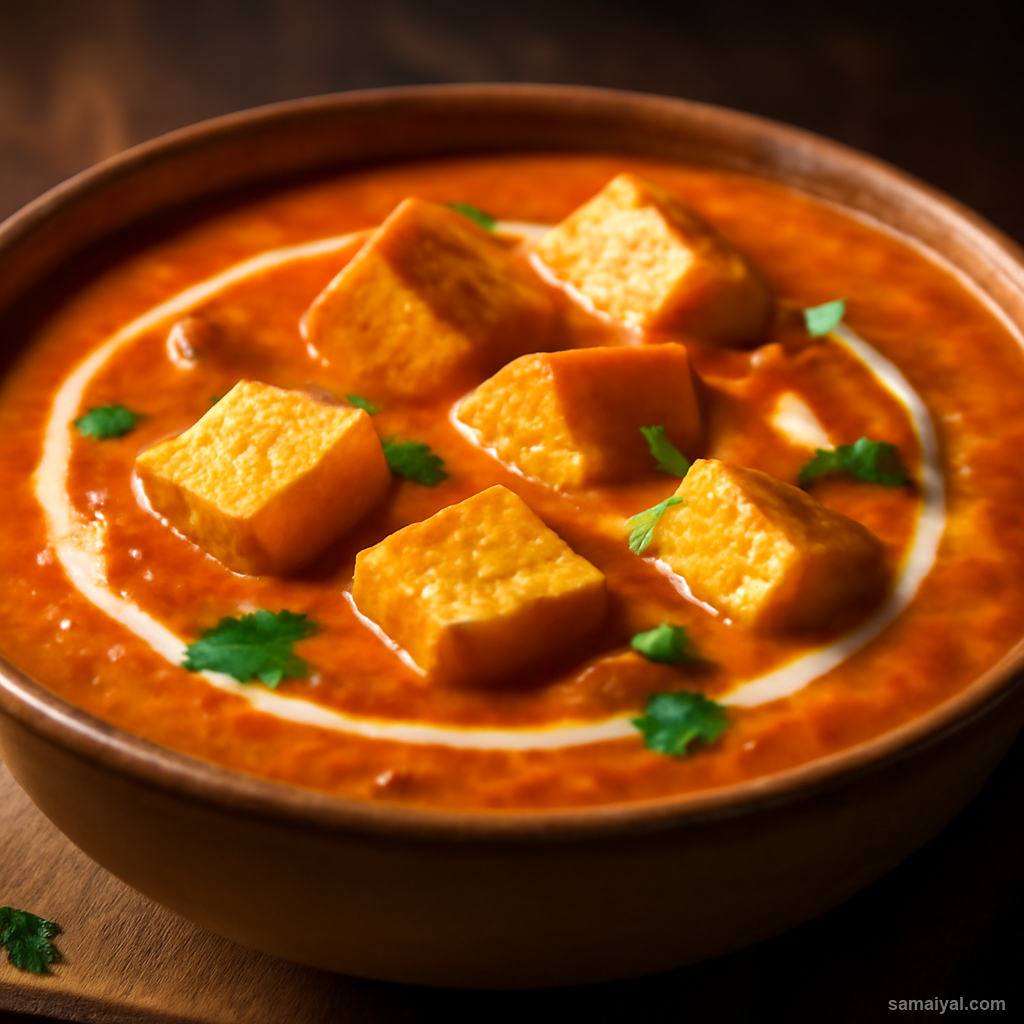
Butter Paneer Masala
Creamy tomato-based curry with soft paneer cubes — the all-time favourite of Indian...
Catfish in thin Assamese spiced broth — the humble village fish curry of rural Assam

About Chhilka River Catfish: Chhilka catfish curry is rural Assam's everyday fish dish — catfish in a thin spiced broth, eaten with generous helpings of plain rice. The "chhilka" (literally meaning skin or peel) refers to the thin watery consistency of the gravy, which is characteristic of village cooking. Catfish absorbs flavour beautifully and stays moist during simmering, making it perfect for this minimalist treatment.
Choose fresh catfish: Use 500g of fresh catfish steaks. Look for firm flesh with a clean lake smell — not fishy or muddy. Catfish is a popular choice in Assam because it is tolerant of muddy river conditions and has tender flesh that holds up to bold seasonings. Substitute with any firm white-fleshed river fish if catfish is unavailable.
Clean the catfish carefully: Catfish skin can be slimy. Rinse thoroughly under cold running water for 1 minute, rubbing the skin gently with your fingers to remove any surface mucus. Pat completely dry with kitchen paper.
Cut into steaks: If using whole catfish, cut into 1.5cm thick steaks across the body. If already in steaks, leave as is. Each steak should be a manageable bite-size piece.
Marinate to remove fishy edge: Place the cleaned catfish steaks in a wide bowl. Add 1 tsp turmeric powder and 1 tsp salt. Rub the marinade into every piece, including the cut surfaces. Let marinate for 15-20 minutes at room temperature. Marination is essential — it removes any muddy or fishy taste that catfish can sometimes have.
Prepare the onion: Take 1 medium onion. Peel and chop into fine 5mm dice. Smaller pieces dissolve more readily into the thin gravy.
Prepare the garlic: Take 3 garlic cloves. Crush, peel and mince finely.
Prepare the green chillies: Take 2 fresh green chillies. Slit lengthwise. The thin gravy carries chilli heat well, so the chillies are a defining element here.
Use a flat heavy pan: Use a wide flat heavy pan or non-stick frying pan. The fish needs space to fry — overcrowded fish steams.
Heat the mustard oil correctly: Pour 2 tbsp mustard oil into the pan. Place over medium-high heat. Heat for 2-3 minutes until smoking heavily and the oil turns paler in colour. This step is essential for fish; raw mustard oil and catfish do not work well together.
Fry the catfish first: Carefully slide the marinated catfish steaks into the smoking-hot oil, away from yourself to avoid splashing. Do not crowd the pan; fry in batches if needed.
The critical first sear: Do not move or touch the fish for the first 3-4 minutes. Moving fish too soon strips the marinade and tears the flesh. After 4 minutes, use a flat spatula to slide under each piece and check — the bottom should be deep golden brown.
Fry the second side: Flip each piece. Cook for another 3 minutes until the second side is also deep golden brown. The fish does not need to be fully cooked through at this stage — it will finish cooking in the gravy.
Lift the fish out: Use a slotted spatula to carefully remove the fish from the pan. Set aside on a plate. Try to keep the pieces intact.
Fry the onion: To the same oil add the chopped onion. Stir-fry for 6-7 minutes on medium heat, stirring often, until deep golden brown. Take your time — well-browned onion is the foundation of the gravy's depth.
Add the garlic: Add the minced garlic. Stir for 1 minute until fragrant.
Add dry spices: Sprinkle in 1 tsp red chilli powder. Stir for 30 seconds — the masala will turn a beautiful rust colour.
Add the green chillies: Add the slit green chillies to the masala. Stir briefly.
Add water for the broth: Pour in 1.5 cups of hot water. The Assamese chhilka style uses generous water to create a thin, almost soup-like broth. Stir well to lift any masala sticking to the bottom.
Bring to a simmer: Bring the broth to a gentle simmer. Add salt to taste — about 3/4 tsp; remember the fish was already salted.
Return the fish: Carefully slide the fried fish steaks back into the simmering broth. Spoon some broth over each piece. Do not stir aggressively — gentle nudging is enough to keep the fish intact.
Simmer to finish: Reduce heat to medium-low. Simmer uncovered for 10 minutes, gently spooning broth over the fish every 3-4 minutes. The fish will fully cook through and absorb the flavours of the broth. The colour of the gravy will deepen to a rust-red.
Check doneness: The fish is done when the flesh easily flakes with a fork. The broth should still be relatively thin — that is the chhilka style; do not reduce too much.
Final flavour check: Taste a spoonful of the broth. It should be warmly spiced, gently chilli-hot, with a clear fish flavour throughout. Adjust salt or chilli to your liking.
Garnish and serve: Switch off the heat. Sprinkle 2 tbsp finely chopped fresh coriander over the top. Serve hot over generous mounds of plain steamed rice. The traditional Assamese way to eat chhilka is to mix the thin broth into a heap of rice with your fingers, breaking off small pieces of fish to combine — the rice absorbs the flavoured broth and produces a deeply satisfying meal.
Serving as a meal: Pair with mustard greens (recipe id 1299) on the side, plus a small piece of pickle. Some Assamese homes also serve fried green chillies dipped in salt as a spicy condiment to bite alongside.
Leftover storage: Stored in the fridge in an airtight container, the curry keeps for 1 day. Reheat gently on the stovetop with a splash of water — never microwave at high power, which can break the fish into flakes. The catfish absorbs more flavour overnight and tastes even better the next day.
⭐ Featured
Creamy tomato-based curry with soft paneer cubes — the all-time favourite of Indian...
 ⭐ Featured
Velvety spinach curry with golden-fried paneer — nutritious, vibrant and absolutely delicious.

Bold, tangy chickpea curry packed with spices — a street food staple that works as a main dish.

Dry-spiced potatoes and cauliflower — simple, aromatic, and endlessly satisfying.
Comments & Tips
Be the first to share your experience with this recipe!
Leave a Comment