 ⭐ Featured
Butter Paneer Masala
Creamy tomato-based curry with soft paneer cubes — the all-time favourite of Indian...
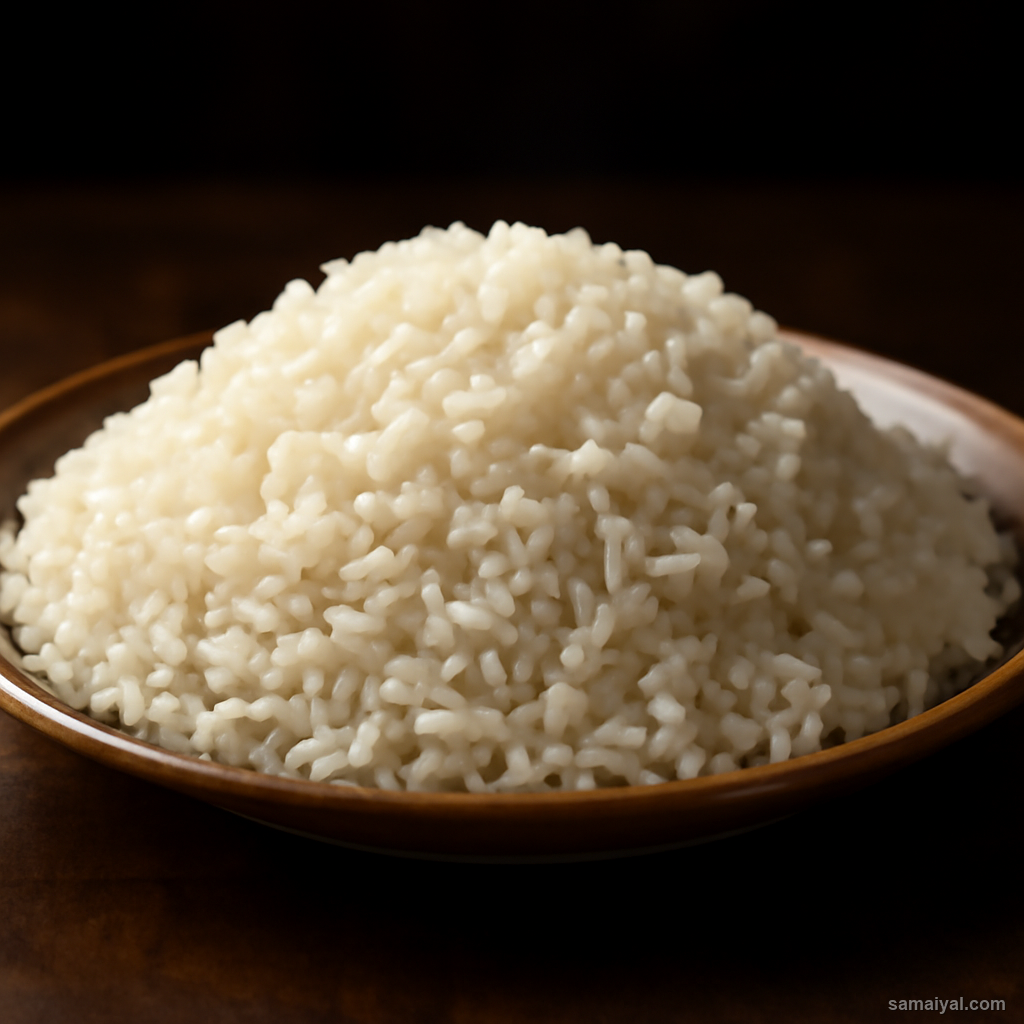
Steamed white rice cooked until every grain is separate and dry — the way Bengalis cook their daily rice. Not sticky, not mushy. This is the foundation of every Bengali meal and the base that all curries and dals are served over.
Wash the rice thoroughly: Place 2 cups rice in a wide bowl. Pour water over it. Rub the rice gently between your palms. The water will turn white and cloudy from the surface starch. Pour off this water carefully without losing rice. Repeat 4 to 5 times until the water runs mostly clear. Washing removes excess starch that makes rice sticky.
Soak the rice: After washing, add fresh water to the bowl and let the rice soak for 20 to 30 minutes. Soaking allows the grains to absorb water before cooking, which helps them cook evenly and remain separate.
Boil a large pot of water: Bring 6 cups of water to a rolling boil in a large pot. Add 1 tsp salt to the boiling water. Use significantly more water than rice — this is the absorption plus draining method, not the absorption-only method. The excess water is drained at the end.
Drain the soaked rice: After soaking, drain the rice completely through a strainer. Do not press it — just let the water drain.
Add rice to boiling water: Add the drained rice to the rapidly boiling salted water. Stir once gently with a spoon to ensure no grains stick to the bottom.
Cook on medium-high heat, uncovered: Cook the rice uncovered on medium-high heat. Do not put a lid on at this stage. The rice boils freely in the excess water like pasta. Stir very gently once every 5 minutes.
Test for doneness: After about 12 to 14 minutes, test the rice. Take out one grain and press it between your thumb and forefinger. The outside should be soft but the very centre should have a tiny bit of firmness — not completely mushy. If it mashes completely to paste, it has been overcooked.
Drain the rice: When the rice has reached this just-done stage, immediately pour it through a strainer. Work quickly — rice continues to cook from its own heat. Shake the strainer once to remove excess water. Do not rinse with cold water — this removes flavour.
Dry the rice in the pot: Return the strained rice to the hot empty pot. Place the pot back on the stove on the lowest possible heat for exactly 2 minutes with the lid on. This allows the remaining steam to escape and each grain to become dry and separate.
Serve: Open the lid. Fluff the rice very gently with a fork — lift rather than stir. Each grain should be separate, dry and cooked through. Serve in a wide bowl. In Bengali meals, the rice is placed on the plate first and everything else — dal, vegetables, fish — is arranged around and on top of it.
Note: Bengalis are very particular about their rice — it must be separate-grained and dry, never sticky or clumped. The boiling-and-draining method produces a cleaner-tasting, more separate grain than the absorption method. A few drops of raw mustard oil added to hot rice is a traditional Bengali practice that adds a distinct sharp aroma and is believed to aid digestion.
⭐ Featured
Creamy tomato-based curry with soft paneer cubes — the all-time favourite of Indian...
 ⭐ Featured
Velvety spinach curry with golden-fried paneer — nutritious, vibrant and absolutely delicious.

Bold, tangy chickpea curry packed with spices — a street food staple that works as a main dish.

Dry-spiced potatoes and cauliflower — simple, aromatic, and endlessly satisfying.
Comments & Tips
Be the first to share your experience with this recipe!
Leave a Comment