 ⭐ Featured
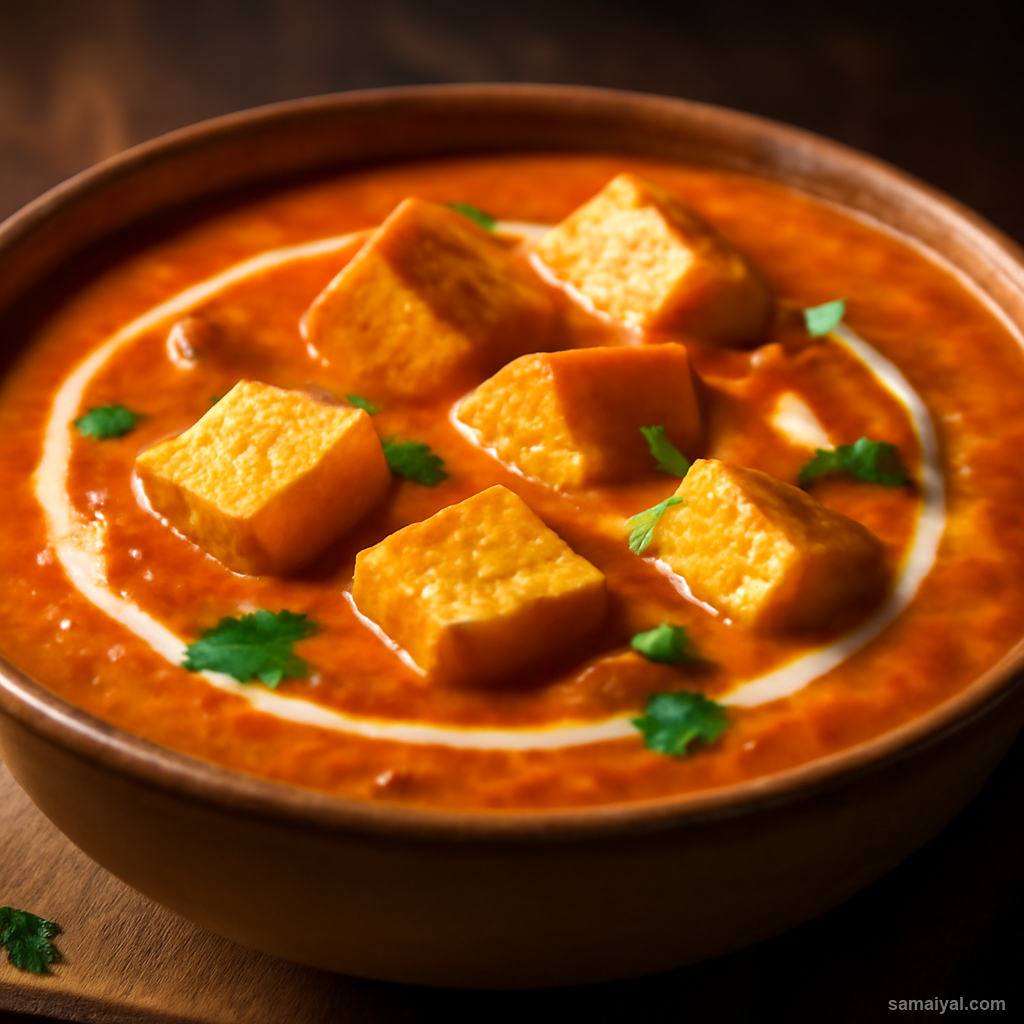
Butter Paneer Masala
Creamy tomato-based curry with soft paneer cubes — the all-time favourite of Indian...
Kerala-style thoran — dry stir-fry of carrot with fresh coconut in coconut oil.

About Carrot Thoran: Carrot Thoran is the bright orange Kerala dry stir-fry of grated carrot with fresh coconut and coconut oil. Across Kerala, carrot thoran is one of the most universally beloved thorans — sweet, colourful, child-friendly, and genuinely health-supporting. The grated technique (rather than chopped) is essential — produces the distinctively soft texture.
Follow the foundational thoran technique: See Beans Thoran (recipe id 578) for the full technique.
Gather ingredients: 300g carrots (about 2-3 medium), 1/2 cup fresh grated coconut, 2 tbsp coconut oil, 1 tsp mustard seeds, 2 dried red chillies, 1 sprig curry leaves, 2 finely chopped green chillies, 3 finely sliced shallots, 1/4 tsp turmeric, 1 tsp cumin seeds, salt to taste.
Wash, peel, grate: Choose firm, bright orange carrots without soft spots. Rinse under cold water. Peel with a vegetable peeler. Grate finely on the medium holes of a box grater. Fine grating is essential — coarse pieces don't cook through properly in the brief thoran cooking time.
The alternative: Cut into very thin matchsticks (3mm x 3mm x 4cm) for more textural variety.
Make coconut mixture: In a wide bowl combine the grated coconut, turmeric, cumin seeds, chopped green chillies, and sliced shallots. Lightly pound or pulse briefly.
Combine: Add grated carrot to the coconut mixture. Toss gently to coat.
Tempering: Heat the coconut oil in a wide pan over medium-high heat. Add mustard seeds — wait for popping to slow.
Add remaining tempering: Add snapped dried red chillies and curry leaves. Stir for 5 seconds.
Add carrot-coconut mixture: Stir to coat. Add salt — about 3/4 tsp.
Cover and cook: Reduce heat to LOW. Cover tightly. Cook 6-8 minutes (less than beans because grated carrot cooks faster), lifting the lid every 2 minutes.
Check doneness: Carrots should be tender (no longer raw) but still bright orange and not mushy. If still raw, cover and cook 2 more minutes.
Uncovered toss: Remove lid. Increase heat to medium-high. Toss 1-2 minutes to dry remaining moisture.
Final taste: Should taste sweet (natural carrot sugars), aromatic from coconut and curry leaves, with gentle warming spices.
Serve immediately: With rice and sambar for a complete South Indian meal. Carrot thoran is essential at the Kerala sadya feast.
For children: An excellent introduction to Kerala food — sweet, colourful, mild.
Variations: Add 1 tbsp chopped coriander at the end. Or 1/4 cup green peas during the covered cook (more visual interest and nutrition). Or 1 grated raw mango along with the carrot for tangy contrast.
A nutritional note: Provides exceptional vitamin A (beta-carotene), substantial vitamin K, fibre, antioxidants. Cooking with coconut oil enhances bioavailability of fat-soluble vitamins.
A cultural note: Carrots came to India through Portuguese trade in the 16th-17th century. The Kerala adaptation produces thoran versions beautifully integrated with traditional coconut-and-spice technique.
Leftover storage: Fridge for 1-2 days. Texture firms slightly when cold; refresh briefly in a hot dry pan.
⭐ Featured
Creamy tomato-based curry with soft paneer cubes — the all-time favourite of Indian...
 ⭐ Featured
Velvety spinach curry with golden-fried paneer — nutritious, vibrant and absolutely delicious.

Bold, tangy chickpea curry packed with spices — a street food staple that works as a main dish.

Dry-spiced potatoes and cauliflower — simple, aromatic, and endlessly satisfying.
Comments & Tips
Be the first to share your experience with this recipe!
Leave a Comment