 ⭐ Featured
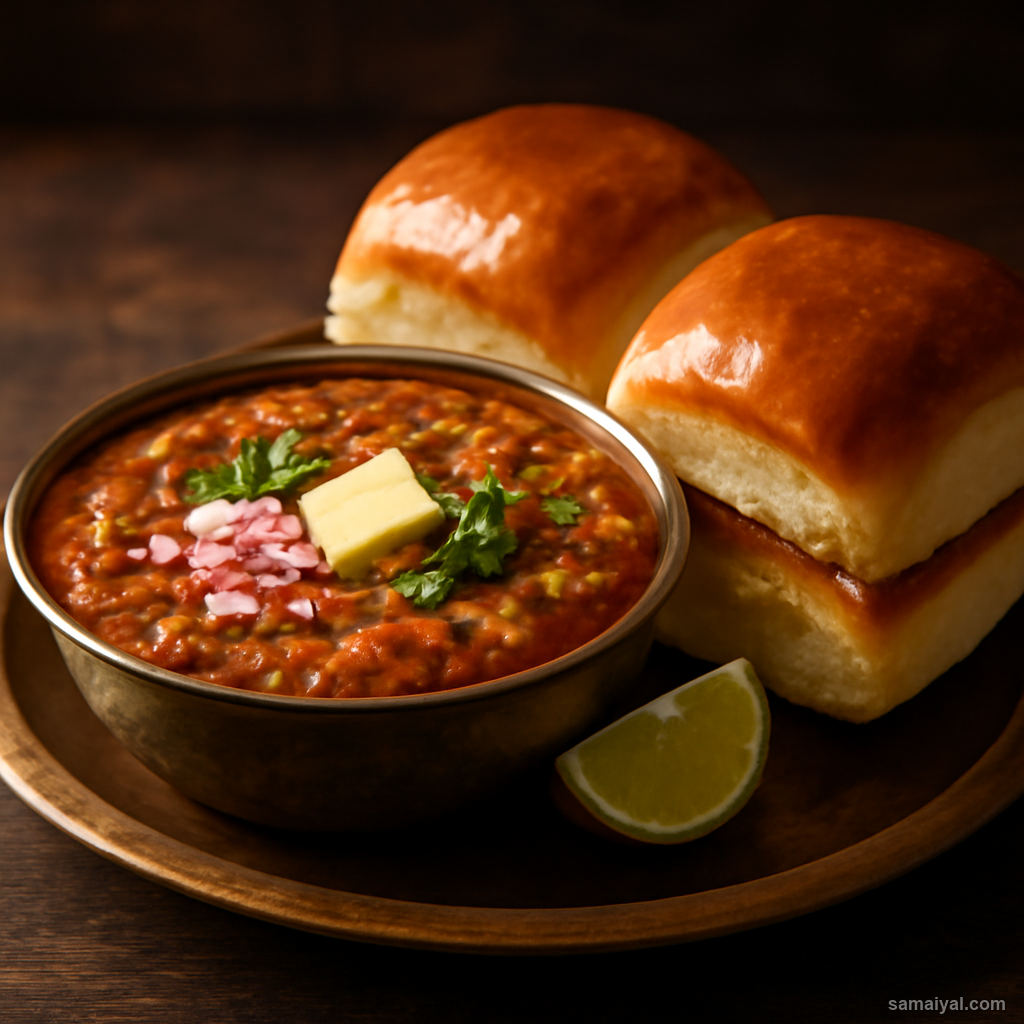
Pav Bhaji
Mumbai's beloved mashed vegetable curry served on butter-toasted soft buns — street food gold.
Raw mango pickled in mustard oil with fenugreek — the essential Bihari summer preserve

About Bihari Mango Pickle: This is the classic Bihari raw mango pickle (aam ka achar) — made in every Bihari household when raw green mangoes flood the markets in May. Cured in mustard oil with a generous spice mix, the pickle ferments in the sun for 3-5 days, then keeps for the entire year. One spoonful with hot rotis transforms a simple meal.
Choose the right mangoes: Use 500g of completely raw, hard green mangoes — the kind sold for pickling. Look for firm, bright green skin with no yellow patches. Press them — they should feel rock hard. The mango variety matters too: Ramkela, Lakhanbhog or any firm pickling mango works; do not use eating-mango varieties like Alphonso.
Wash and dry: This step matters more than any other. Wash the mangoes thoroughly in cold water. Then dry each one completely with a clean kitchen towel. Any moisture in the pickle leads to mould — your pickle will spoil within a week. After towel-drying, leave the mangoes spread on a dry cloth for 2 hours before cutting.
Cut into pieces: Cut each mango lengthwise along the stone. Cut the flesh into 2cm cubes. Most pickles include a few pieces with the stone still attached — those are special and prized for their tangy intensity. You can keep these or remove them. Keep all the cut pieces, including the cut peel.
Air-dry the cut pieces: Spread the cut mango pieces on a clean dry cloth in a single layer. Place in a sunny window or airy spot for 2-3 hours. The surface moisture must evaporate completely before you proceed. This step is non-negotiable.
Understand the spice mix: The Bihari mango pickle spice mix uses three essential ingredients — yellow mustard powder (rai), coarsely ground fenugreek seeds (methi) and turmeric — along with chilli and salt. Each plays a role: mustard gives the pungent bite, fenugreek prevents fermentation going wrong, and turmeric is antimicrobial.
Prepare the mustard powder: Use 2 tbsp pre-ground yellow mustard powder, or grind 3 tbsp yellow mustard seeds in a small grinder yourself.
Grind the fenugreek: Take 1 tbsp whole fenugreek seeds. Grind in a small grinder or mortar to a coarse texture — not a fine powder. Coarse fenugreek pieces are visible in the finished pickle and are part of the texture.
Mix the dry spices: In a wide dry bowl combine 2 tbsp mustard powder, 1 tbsp coarsely ground fenugreek, 1 tsp turmeric powder, 1 tsp red chilli powder and 2 tsp salt. Mix thoroughly with a dry spoon. The salt must be substantial — at least 4% of the total mango weight by tradition; salt is what preserves the pickle through the months ahead.
Coat the mango: Tip the air-dried mango pieces into a wide dry bowl. Pour the dry spice mix over them. Toss with a clean dry spoon (or wash and thoroughly dry your hands) until every piece is fully coated in the spice mix. The mango will start to release a little moisture immediately — that is normal.
Prepare a clean dry jar: Use a glass jar with an airtight lid. Wash thoroughly, rinse with boiling water, and dry inside and out completely — even one drop of water will spoil the pickle. A 1-litre jar is the right size for this quantity.
Pack the mango: Spoon the spiced mango pieces into the dry jar. Press down firmly with the back of a spoon to pack tightly without leaving big air gaps.
Heat the mustard oil correctly: Pour 1/4 cup mustard oil into a small pan. Heat over medium-high heat for 2-3 minutes until the oil is smoking heavily and turns paler in colour — this kills any harmful microbes and removes the raw bitterness.
Cool the oil completely: This is critical. Hot oil added to mango pickle will cook the mango and ruin the texture. Switch off heat and let the oil cool for 30-45 minutes until completely at room temperature.
Pour the cooled oil over the pickle: Pour the cooled mustard oil into the jar over the spiced mango. The oil should cover the mango by at least 1cm. If the oil does not fully cover, heat and cool another 2-3 tbsp and add more — full oil cover is what preserves the pickle.
The sun ferment: Cover the jar loosely with a clean dry cloth (not the lid yet — the pickle needs to breathe slightly during fermentation). Place in a sunny window or balcony for 3-5 days. Each morning, gently shake the jar to redistribute. Each day the pickle will develop more flavour and the mango will soften slightly.
Seal and store: After 3-5 days the pickle is ready — the mango will be tender, the spices will have melded, and the pickle will smell warmly aromatic. Replace the cloth with the airtight lid. Store at room temperature in a cool dark cupboard, or in the fridge.
Let it mature: The pickle is edible after 5 days but tastes dramatically better after 2 weeks of further storage. The flavour deepens and matures over the first month, then holds steady for up to 6 months at room temperature or 1 year refrigerated. Always use a clean dry spoon — moisture is your enemy.
Serve with meals: One spoonful goes a long way. Serve a small heap alongside dal and rice, with hot rotis or paratha, with khichdi, or as part of any Bihari thali. The intense salty-sour-spicy bite is the perfect counterpoint to plain grains.
⭐ Featured
Mumbai's beloved mashed vegetable curry served on butter-toasted soft buns — street food gold.

Fluffy steamed chickpea flour cake from Gujarat — light, spongy, tangy and totally addictive.

Mumbai's vegetarian burger — spiced potato dumpling in a fried batter, served in a...
 ⭐ Featured
Crispy golden pastry filled with spiced potatoes and peas — India's most loved snack,...
Comments & Tips
Be the first to share your experience with this recipe!
Leave a Comment