 ⭐ Featured
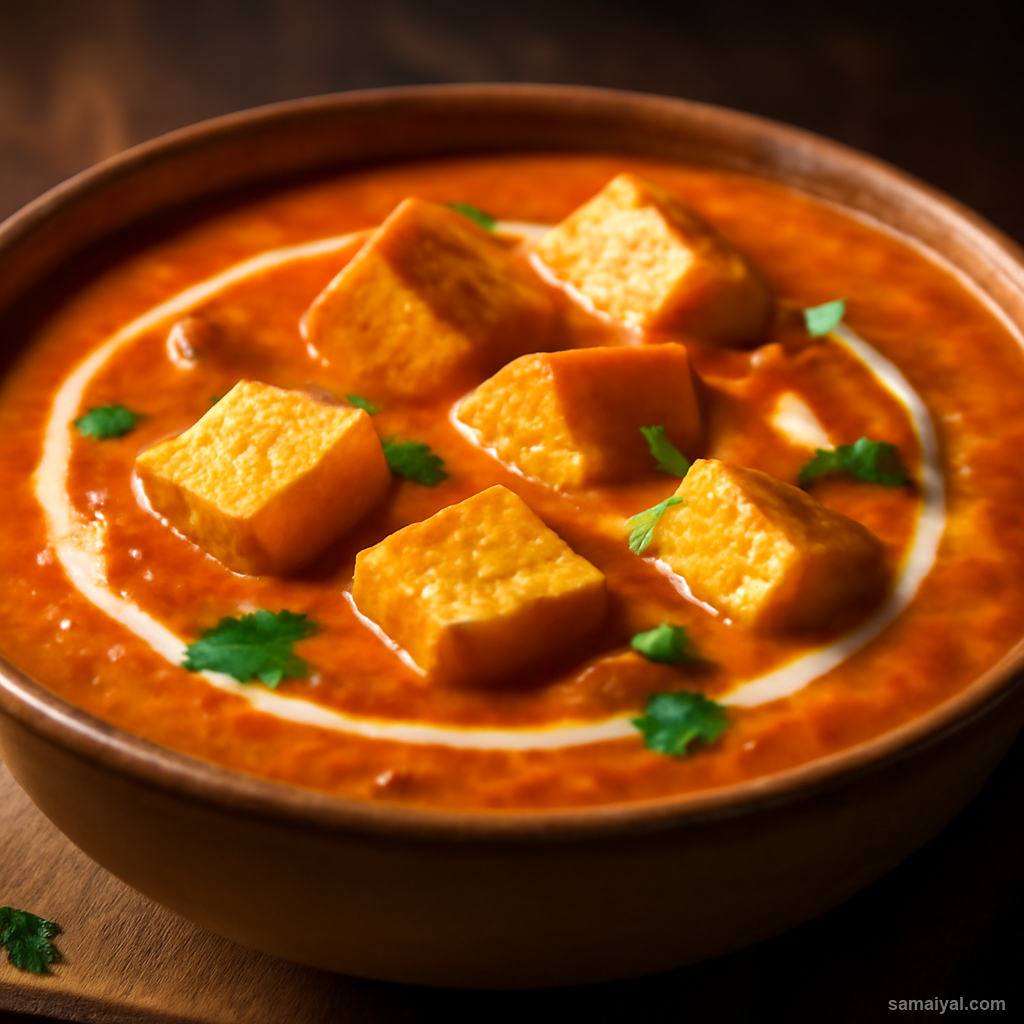
Butter Paneer Masala
Creamy tomato-based curry with soft paneer cubes — the all-time favourite of Indian...
Raw jackfruit slow-cooked in Bihari spices — the meaty vegetarian curry of Bihar

About Bihari Kathal Curry: Raw jackfruit curry is the prestigious vegetarian of Bihar — its meaty fibrous texture is so satisfying that meat-eaters often prefer it. The dish is sometimes called "vegetarian mutton" because the texture of properly cooked raw jackfruit genuinely mimics slow-cooked meat. It is a celebration dish for vegetarian Bihari meals, suitable for festivals, gatherings, and Sunday family lunches.
Understand raw jackfruit: Use 500g of raw (green) jackfruit. The fruit is large, oval, with a rough green spiky exterior. Available at Indian groceries and specialty Asian markets in South Asian regions, particularly during summer (jackfruit season). Pre-cleaned cubed raw jackfruit (in cans or vacuum-sealed packs) is also widely available — much easier for home cooks.
If using fresh raw jackfruit: Be prepared for a sticky job. Raw jackfruit produces a sticky white sap that coats everything it touches.
The critical sap protection: Oil your hands generously with neutral oil before handling fresh raw jackfruit. The oil prevents the sap from sticking to your skin. Also oil your knife — the sap will quickly coat the blade and make cutting difficult.
If using canned raw jackfruit: Drain and rinse thoroughly. The canned version is pre-cooked, so simmer time is reduced.
Cleaning fresh jackfruit: Cut the fruit in half. Remove the central core (it is too fibrous to eat). Cut the rest into 3cm cubes, removing any large seeds.
Prepare the onions: Take 2 medium onions. Peel and finely chop into 5mm dice.
Prepare the garlic: Take 4 garlic cloves. Crush, peel and mince finely.
Prepare the ginger: Take a 1-inch piece of fresh ginger. Peel and grate finely.
Prepare the tomatoes: Take 2 medium tomatoes. Chop into fine 5mm dice.
Use a heavy pot with tight lid: Use a heavy-bottomed Dutch oven, large kadhai with lid, or thick-bottomed casserole.
Heat the mustard oil correctly: Pour 3 tbsp mustard oil into the pot over medium-high heat. Heat for 1-2 minutes until smoking heavily.
The critical jackfruit pre-fry: Add the cubed jackfruit pieces to the smoking-hot oil. Sear for 5-6 minutes, stirring every 90 seconds, until lightly golden on most sides.
Why pre-fry matters: The pre-fry develops the meaty character that makes this dish distinctive. Skipping this step produces a softer, less interesting curry.
Lift the jackfruit out: Use a slotted spoon to remove the fried jackfruit pieces. Set aside on a plate.
Fry the onions: Reduce heat to medium. Add the chopped onions. Stir-fry for 8-10 minutes, stirring often, until deep golden brown.
Add ginger and garlic: Add the minced garlic and grated ginger. Stir for 1-2 minutes until fragrant.
Add the tomatoes: Tip in the chopped tomatoes. Cook on medium heat for 6-8 minutes, stirring every 2 minutes, until the tomatoes have completely broken down into a thick paste and oil starts to separate at the edges.
Add dry spices: Sprinkle in 1 tsp turmeric powder and 1 tsp red chilli powder. Stir for 30 seconds — the masala will turn a beautiful rust-red colour.
Return the jackfruit: Add the fried jackfruit pieces back to the pot. Stir gently to coat with the masala.
Add water: Pour in 1 cup of hot water. Add salt to taste — about 3/4 tsp.
The slow simmer: Bring to a gentle simmer. Reduce heat to medium-low. Cover the pot. Cook for 30 minutes, lifting the lid every 10 minutes to gently stir and check the moisture.
Watch the moisture: The braising liquid should always be present. Add 2-3 tbsp hot water if it gets too dry.
Check doneness at 30 minutes: Pierce a piece with a fork — it should slide in with no resistance, and the jackfruit should pull apart easily into stringy fibres. The texture is meaty and tender — this is when the dish is properly done.
If still firm: Cover and simmer 5-10 more minutes. Some jackfruit takes longer than others depending on age and variety.
Uncover and reduce: Remove the lid. Increase heat to medium. Stir gently for 5 minutes, allowing the gravy to reduce to a thick clinging consistency.
Finish with garam masala: Sprinkle in 1 tsp garam masala. Stir gently to combine. Garam masala goes in at the end so its aroma is preserved.
Final flavour check: Taste a piece of jackfruit with gravy. The dish should hit you with multiple flavours — meaty fibrous jackfruit, sweet caramelised onion, tangy tomato, warm masala, gentle chilli, fragrant garam masala, pungent mustard oil. The texture should genuinely remind you of slow-cooked meat.
Garnish: Switch off the heat. Sprinkle 2 tbsp finely chopped fresh coriander over the top.
Serve with rice or rotis: The traditional Bihari pairing is hot soft rotis or paratha. The meaty jackfruit pairs beautifully with bread. Steamed rice also works well.
For a complete vegetarian feast: Pair with a dal (Tadka or Palak), a small bowl of yogurt, and a sweet to finish. The complete meal represents Bihari vegetarian cooking at its finest.
Serving tip: Tell guests this is a vegetable dish before they try it. Many people are surprised that the meaty texture comes from a fruit. The reveal is part of the experience.
A cultural note: Raw jackfruit cooking is found across Bihar, West Bengal, Odisha, and Kerala — each region with its own version. The Bihari version's use of mustard oil and the deep frying-then-braising technique distinguishes it from the Bengali (which uses panch phoron and mustard paste) and Kerala (which uses coconut milk and curry leaves) versions.
A seasonal note: Raw jackfruit is at peak availability in summer (April-July). Outside these months, the dish is harder to make from fresh fruit but remains possible with canned or frozen jackfruit.
Leftover storage: Stored in the fridge in an airtight container, kathal curry keeps for 3-4 days and tastes even better the next day after the flavours have deepened. The jackfruit absorbs more masala overnight, becoming richer. Reheat gently on the stovetop with a splash of water if too thick.
⭐ Featured
Creamy tomato-based curry with soft paneer cubes — the all-time favourite of Indian...
 ⭐ Featured
Velvety spinach curry with golden-fried paneer — nutritious, vibrant and absolutely delicious.

Bold, tangy chickpea curry packed with spices — a street food staple that works as a main dish.

Dry-spiced potatoes and cauliflower — simple, aromatic, and endlessly satisfying.
Comments & Tips
Be the first to share your experience with this recipe!
Leave a Comment