 ⭐ Featured
Gulab Jamun
Soft milk-solid dumplings soaked in fragrant rose sugar syrup — India's most beloved sweet.
Full-fat milk slowly reduced with gobindobhog rice — the fragrant short-grain variety grown only in Burdwan district — sweetened with sugar and flavoured with bay leaf and cardamom. The finest version of Bengali rice payesh, made for annaprashan (first rice feeding ceremony) and Saraswati Puja.
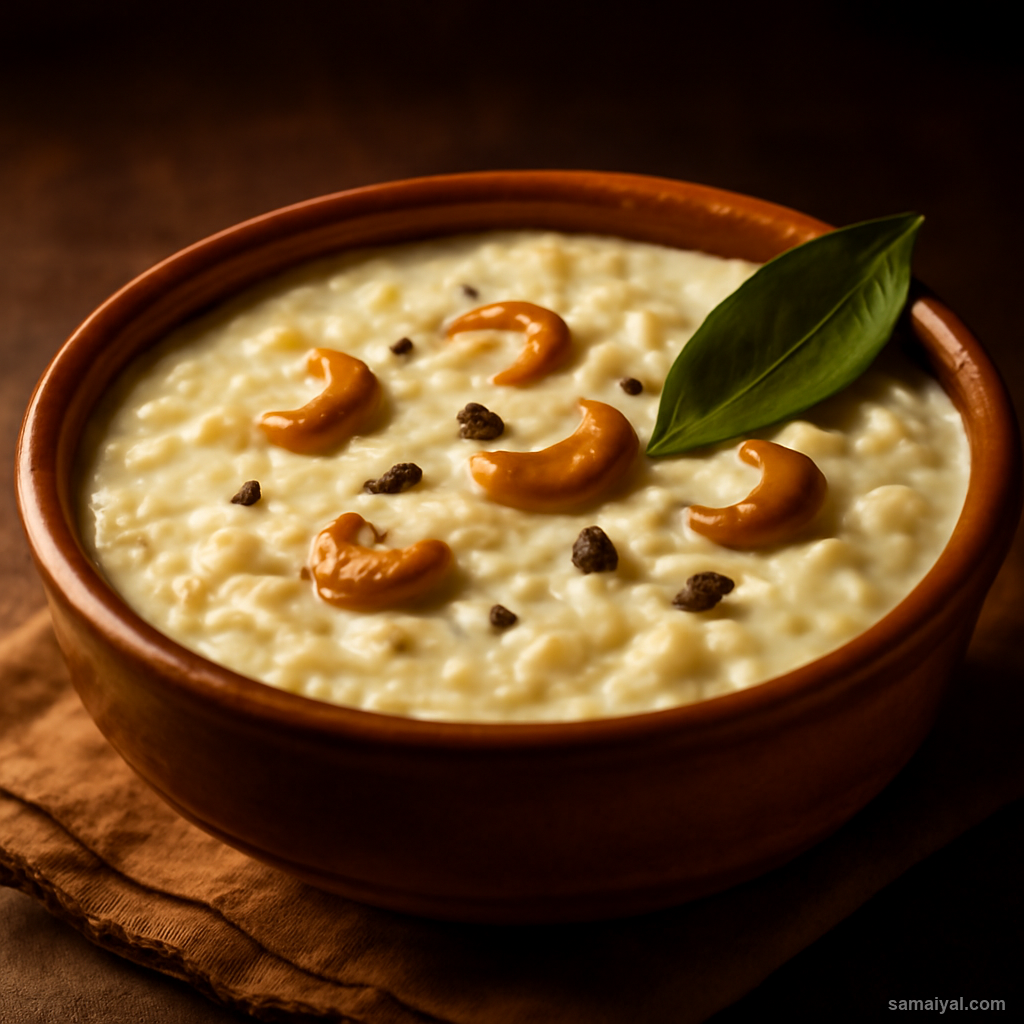
Wash the gobindobhog rice: Wash the rice gently two or three times. Drain. The grains are small, round and fragrant — even uncooked they smell faintly floral.
Bring milk and bay leaves to a boil: Pour 1.5 litres full-fat milk into a wide, heavy pot. Add bay leaves. Bring to a full boil on medium-high heat, stirring to prevent scorching.
Add the washed rice: Once boiling, add the drained rice. Stir immediately. The rice will begin to cook slowly in the hot milk.
Reduce to medium heat: Cook on medium heat, stirring every 3 to 4 minutes, for 40 to 45 minutes. The rice slowly cooks and swells in the milk while the milk reduces and thickens.
Scrape the sides: Every 10 minutes, scrape the milk solids collecting on the sides back into the pot.
Check rice: After 35 minutes, press one grain between fingers — it should be completely soft with no hard centre.
Add sugar: When the milk has reduced to roughly 1/3 of its original volume and the rice is completely cooked and swollen, add sugar. Stir.
Remove bay leaves: Discard the bay leaves once the payesh is fragrant and cooked.
Add cardamom: Add cardamom powder. Stir once.
Serve: The payesh should be flowing when hot — it thickens considerably when cooled. Serve warm for festivals or chilled for everyday occasions. Garnish with pistachio slivers.
Note: Gobindobhog rice (named after Lord Gobinda, an avatar of Krishna) is a short-grain fragrant rice grown specifically in the Burdwan and Hooghly districts of West Bengal — it is not grown anywhere else in the world. The payesh made from it has a floral, aromatic quality that standard rice payesh does not possess. The rice is so prized that it is offered as prasad at the Kalighat and Dakshineswar temples of Kolkata. The annaprashan (baby's first rice feeding ceremony) and Saraswati Puja are the specific occasions when chaler payesh is made in Bengali households.
⭐ Featured
Soft milk-solid dumplings soaked in fragrant rose sugar syrup — India's most beloved sweet.

Slow-cooked rice pudding with cardamom, saffron, nuts and rose water — pure comfort in a bowl.

Slow-cooked grated carrot pudding with ghee, milk and cardamom — a winter celebration classic.

Spongy soft chenna balls cooked in light sugar syrup — the iconic Bengali sweet.
Comments & Tips
Be the first to share your experience with this recipe!
Leave a Comment