 ⭐ Featured
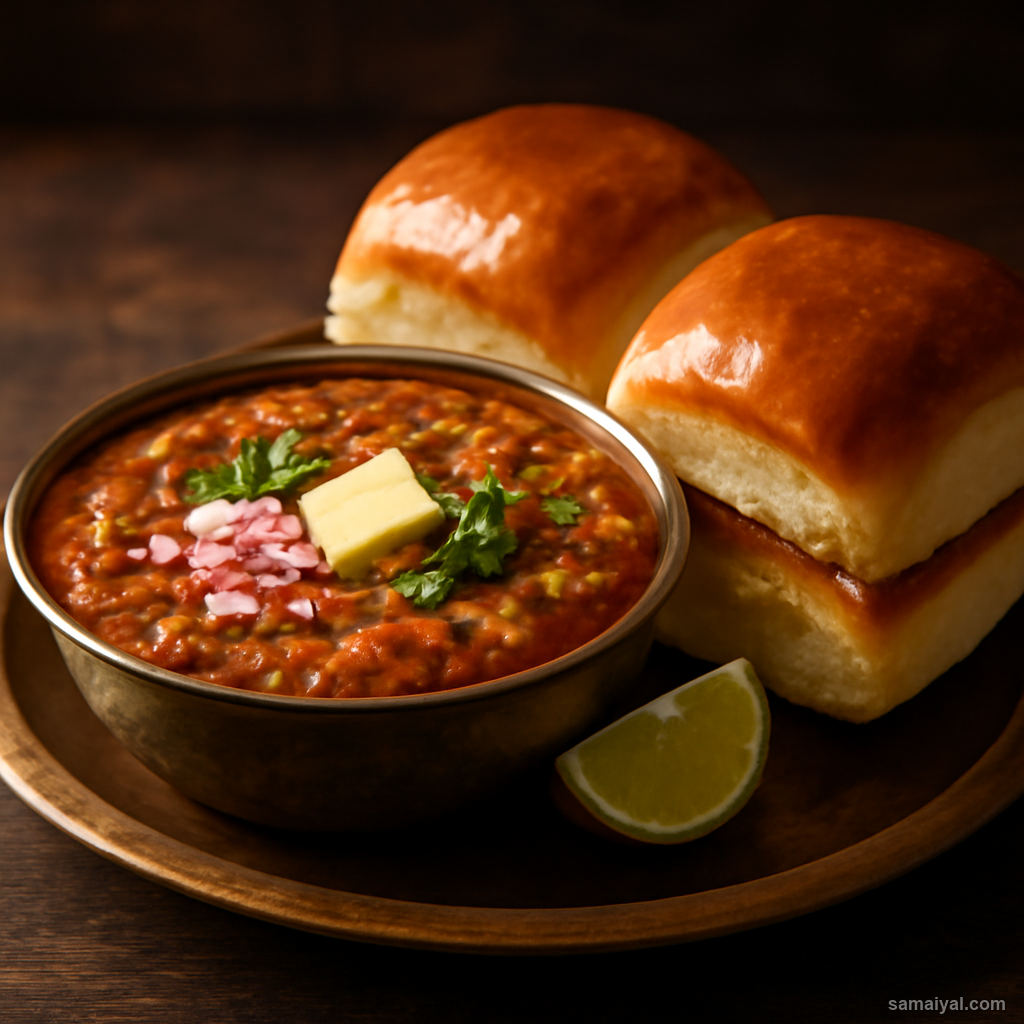
Pav Bhaji
Mumbai's beloved mashed vegetable curry served on butter-toasted soft buns — street food gold.
Whole pearl onion fritters — each small onion battered and fried whole, a monsoon street food classic.

About Vengaya Bajji: Vengaya bajji using whole small pearl onions is distinct from sliced-onion pakoda. The whole onion gives a sweet caramelised centre inside a crispy shell. Across Tamil Nadu, particularly during the monsoon months, vengaya bajji is the iconic comfort food — sold from roadside stalls, made in homes, eaten with hot tea and freshly chopped coconut chutney. The pearl onion variation is the truly classic preparation that distinguishes Tamil bajji from generic North Indian pakora.
Understand pearl onions: Use 20 small pearl onions (also called sambar onions, shallots, or chinna vengayam in Tamil). These are small onions about 2-3cm in diameter, with sweet character and dense texture. Available at Indian groceries year-round. Substitute with 4 medium onions cut into 6-8 wedges each, keeping each wedge intact. Avoid red onions; they release too much water during frying.
Prepare the onions: Trim root ends and tips. Peel away papery skin. Keep each onion completely whole — do not separate into layers. Soaking pearl onions in cold water for 5 minutes makes peeling easier. Pat very dry with kitchen paper after peeling. Wet onions splatter dangerously in hot oil.
Make the batter mix: In a wide bowl combine 1 cup besan (chickpea flour, gram flour — use fresh-smelling variety; old besan smells musty), 2 tbsp rice flour (essential — produces the crispy texture distinguishing Tamil bajji from typical North Indian pakora; substitute with corn flour/cornstarch if needed), 1/2 tsp red chilli powder, 1/4 tsp turmeric powder, 1/4 tsp carom seeds (omam in Tamil, ajwain in Hindi — essential, provides the characteristic Tamil bajji flavour and supports digestion), a small pinch of cooking soda (produces lighter, crispier bajji; use only a pinch — too much produces metallic taste), and 3/4 tsp salt. Whisk briefly with a fork to distribute everything evenly.
Add water gradually: Have cold water ready (about 3/4 cup). Pour in 1/2 cup. Whisk vigorously to combine. Goal: smooth thick coating — like pancake batter or yogurt; when you lift the whisk, batter should drip in a slow continuous ribbon. If too thick, add 1 tbsp water at a time. Whisk until completely lump-free — lumpy batter produces uneven coating. Cover and let rest 5 minutes — allows besan to fully hydrate and soda to start working.
Heat the oil: Use a heavy-bottomed kadhai or deep frying pan with at least 6cm of oil depth. Use enough neutral cooking oil to submerge the bajjis fully — typically 4-5 cups. Heat over medium heat. Test by dropping a tiny pea-sized ball of batter — should rise to surface within 5-10 seconds, sizzling vigorously, but not burn. Target: 170-175°C (340-350°F) — described traditionally as "medium hot." Too hot burns the outside before the centre cooks; too cool absorbs oil and produces greasy bajjis.
Dip and fry: Take one peeled pearl onion. Drop into the batter. Use a spoon to coat completely. Lift gently, letting excess batter drip off for 1 second. Carefully drop the coated onion into the hot oil. Stand back briefly — the oil will splatter at first contact. Add 4-6 onions at a time. Crowded oil drops in temperature and produces soggy bajjis.
The critical 4-minute fry: Cook for 4 minutes total, turning the bajjis once at 2 minutes for even browning. Use a slotted spoon to gently move bajjis around. At 2 minutes, the batter is still pale. At 4 minutes, the surface is uniformly golden brown like polished bronze and the onion inside is sweet and softened. Pale bajjis indicate undercooking; black bajjis indicate over-frying. Properly cooking bajjis produce a steady gentle sizzle.
Drain and continue: Use a slotted spoon to lift out the cooked bajjis. Drain over the pan briefly to let excess oil drip off. Place on kitchen paper for 30 seconds to absorb additional surface oil. Wait 1 minute between batches for the oil to recover temperature. Continue dipping, frying, and draining until all 20 onions are cooked. Total cooking time: about 25 minutes.
Serve immediately: Vengaya bajji is at peak crispness within 10 minutes of frying. As they cool, they soften noticeably. Serve with coconut chutney (the traditional Tamil pairing — bright white, fragrant with tempered mustard seeds, slightly tangy) or mint-coriander chutney for variety, or spicy red tomato chutney for monsoon classic.
Serve with hot tea: The most iconic pairing — vengaya bajji with hot strong Indian tea (Tamil filter coffee or chai). The combination during monsoon rain is the soul of Tamil comfort food. The bajji-rain ritual: across Tamil Nadu, when rain begins to fall during monsoon, families gather to make bajji — elder women fry, children watch and learn, everyone gathers around the pan eating fresh bajji as it comes out.
The sweet-onion magic: The whole pearl onion inside transforms during frying. The slow indirect heat steams the onion in its own moisture, producing a sweet, soft, almost jam-like centre. This is the signature texture experience of vengaya bajji.
Variations: Some Tamil families add 1 tbsp finely chopped fresh curry leaves to the batter — produces a more aromatic version. Others add 1/2 tsp grated ginger to the batter for warming character. For thicker batter style, reduce water by 2 tbsp for thicker coating that produces more substantial bajjis.
A cultural note: Pearl onions (sambar vengayam, chinna vengayam) are uniquely important in Tamil cooking — sweeter than regular onions, hold their shape when cooked, produce uniquely flavoured dishes. Vengaya bajji celebrates this iconic Tamil ingredient. At Tamil weddings and festive home gatherings, vengaya bajji is one of the snack-time staples.
Leftover storage: Vengaya bajji is best within 30 minutes of cooking. Stored in fridge for 1 day; refresh by warming in a hot oven (200°C) for 5 minutes — they regain some crispness. Microwaving makes them soggy.
⭐ Featured
Mumbai's beloved mashed vegetable curry served on butter-toasted soft buns — street food gold.

Fluffy steamed chickpea flour cake from Gujarat — light, spongy, tangy and totally addictive.

Mumbai's vegetarian burger — spiced potato dumpling in a fried batter, served in a...
 ⭐ Featured
Crispy golden pastry filled with spiced potatoes and peas — India's most loved snack,...
Comments & Tips
Be the first to share your experience with this recipe!
Leave a Comment