 ⭐ Featured
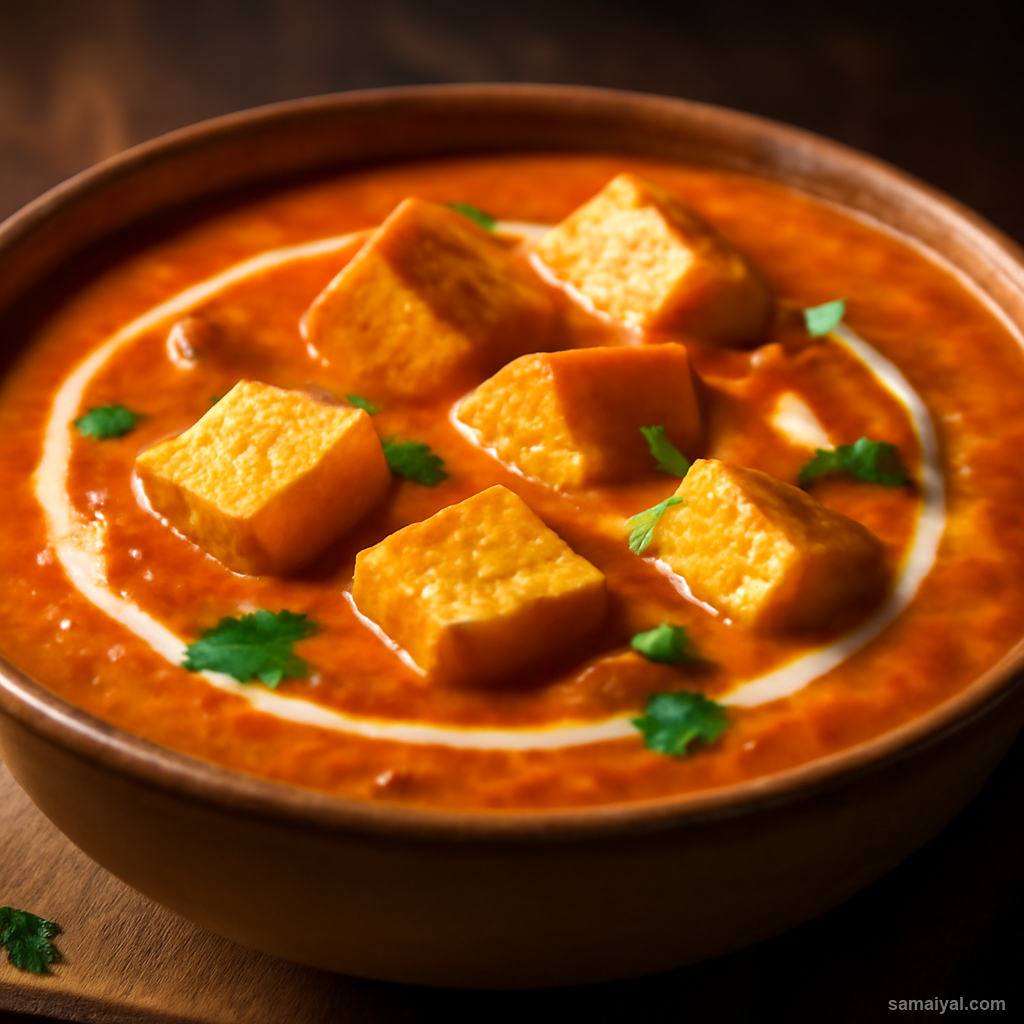
Butter Paneer Masala
Creamy tomato-based curry with soft paneer cubes — the all-time favourite of Indian...
Fermented turnip radish soup — sharply sour, umami-rich and unique to mountain Arunachal

About Sinki Radish Soup: Sinki is fermented turnip radish — a winter preservation with intense sour-tangy character that powers winter cooking across the eastern Himalayan belt. Across Sikkim, Bhutan, and Arunachal Pradesh (particularly Tawang region), sinki is a foundational winter ingredient. Made in autumn when radishes are abundant, fermented through winter, then used throughout the cold months when fresh vegetables are scarce. The soup is one of the iconic uses — sinki simmered with potato, vegetables, and warming spices into a deeply restorative bowl.
Understand sinki: Sinki is fermented radish (typically white turnip radish or daikon, sometimes Korean radish). The radish is buried in pits or fermented in airtight containers, transforming it into a deeply tangy probiotic-rich preserved ingredient. Available at specialty Asian markets serving Himalayan, Tibetan, or Bhutanese communities. To make at home is a 4-6 week process — buy ready-made if not undertaking fermentation. If sinki unavailable, this dish requires the specific ingredient — substitute with sauerkraut for similar tangy character but a fundamentally different dish.
Gather ingredients: 200g sinki (fermented radish), 2 medium potatoes cubed (1.5cm dice), 1 medium onion finely chopped, 3 garlic cloves minced, 1-inch fresh ginger grated, 2 tbsp neutral cooking oil, 1 tsp turmeric powder, 1/2 tsp red chilli powder (or 1 fresh green chilli slit), 4 cups water or vegetable broth, salt to taste — about 3/4 tsp, fresh coriander to garnish.
The critical sinki rinse: Drain the sinki from its packaging or storage container. Place in a sieve and rinse thoroughly under cold running water for 30-60 seconds — removes excess salt and tames the strongest fermented character. The rinsing is essential — unrinsed sinki overwhelms the soup with intense salt and tang.
Chop the sinki: After rinsing, gently squeeze excess water from the sinki. Chop into 2cm pieces — small enough to integrate into the soup, large enough to retain texture and identify as the main ingredient.
Fry the aromatics: Use a heavy-bottomed pot (3-litre size). Pour 2 tbsp oil into the pot over medium-high heat. Heat 30 seconds until shimmering. Add the chopped onion and minced garlic. Stir-fry for 3 minutes, stirring often, until soft and just turning golden.
Add potatoes: Add the cubed potatoes to the pot. Stir-fry for 4 minutes — potatoes will start to lightly brown on edges. The brief browning develops foundation flavour. Sprinkle in 1 tsp turmeric powder and 1/2 tsp red chilli powder. Stir for 15 seconds — spices bloom in the hot oil.
Add water and bring to boil: Pour in 4 cups water (or vegetable broth for richer character). Stir to combine. Increase heat to high and bring to a vigorous boil. Once boiling, add salt to taste — about 3/4 tsp. Add the chopped sinki to the boiling pot. Stir to distribute. Reduce heat to medium-low.
The critical 25-minute simmer: Cover with the lid and simmer for 25 minutes. The simmering allows the sinki's flavour to fully infuse the broth, the potatoes to fully cook through, and the soup to develop its characteristic deeply sour-tangy character.
Doneness check: After 25 minutes, lift the lid. Potatoes should be fully tender — easily pierced with a fork. The broth should be cloudy and complex-tasting. The sinki pieces should be soft but still identifiable. If potatoes still firm, simmer 5-10 more minutes.
Final flavour adjustment: Add the grated ginger (added late preserves bright flavour). Stir for 2 more minutes. Should taste deeply sour-tangy from the sinki, balanced by sweet potato, gentle warming from spices, and fresh ginger brightness. Adjust salt as needed (often only a pinch more — sinki provides much of the salt). For more tang (some Himalayan traditions love intensity), simmer 5 more minutes uncovered.
Garnish and serve: Switch off heat. Sprinkle 2 tbsp finely chopped fresh coriander over the top. Pour into deep bowls — soup should be substantial, with visible potato chunks and sinki pieces in the cloudy tangy broth. Soup is hearty enough to be a complete meal — pair with a small bowl of plain steamed rice for traditional Himalayan eating.
Serve across contexts: Serve at traditional Himalayan winter meals — particularly satisfying on cold days when the sour-warming character is most welcome. Pair with rice for a complete meal. Mountaineering and trekking food: across Arunachal, Sikkim, and Bhutan, sinki soup is traditional trekking food — hot, hydrating, providing electrolytes and probiotics for high-altitude eating. Served during cold/flu recovery, the probiotic content of fermented sinki supports immune function. The hot broth is hydrating and the warming spices are restorative.
For those new to fermented foods: The intense sour-tangy character can be surprising at first taste. The flavour profile is similar to sauerkraut soup — but more pronounced. Start with smaller portions to acclimate the palate.
Variations: Add 200g cubed pork belly along with the potatoes for a meat version (very traditional in Tibetan-Bhutanese tradition). For vegetarians, add 100g cubed firm tofu near the end. Some Sikkim families add 1/4 cup chopped tomato along with the sinki for additional acid balance.
A cultural and nutritional note: The sinki tradition reflects centuries of Himalayan food preservation wisdom — turning autumn abundance into winter survival food. As modern refrigeration has made fresh winter vegetables available, traditional sinki making has declined; cooks who maintain the tradition are valuable cultural keepers. Fermented sinki provides exceptional probiotic content, vitamin C (preserved through fermentation, unlike with cooking), B vitamins, and beneficial bacteria. The combination with potato (carbs) and aromatics (spices) produces nutritionally complete meal that supports immune function.
Leftover storage: Stored in fridge in an airtight container, sinki soup keeps for 3-4 days and tastes even better the next day. The flavours mature beautifully overnight. Reheat gently on the stovetop with 1/4 cup additional water if the soup has thickened significantly.
⭐ Featured
Creamy tomato-based curry with soft paneer cubes — the all-time favourite of Indian...
 ⭐ Featured
Velvety spinach curry with golden-fried paneer — nutritious, vibrant and absolutely delicious.

Bold, tangy chickpea curry packed with spices — a street food staple that works as a main dish.

Dry-spiced potatoes and cauliflower — simple, aromatic, and endlessly satisfying.
Comments & Tips
Be the first to share your experience with this recipe!
Leave a Comment