 ⭐ Featured
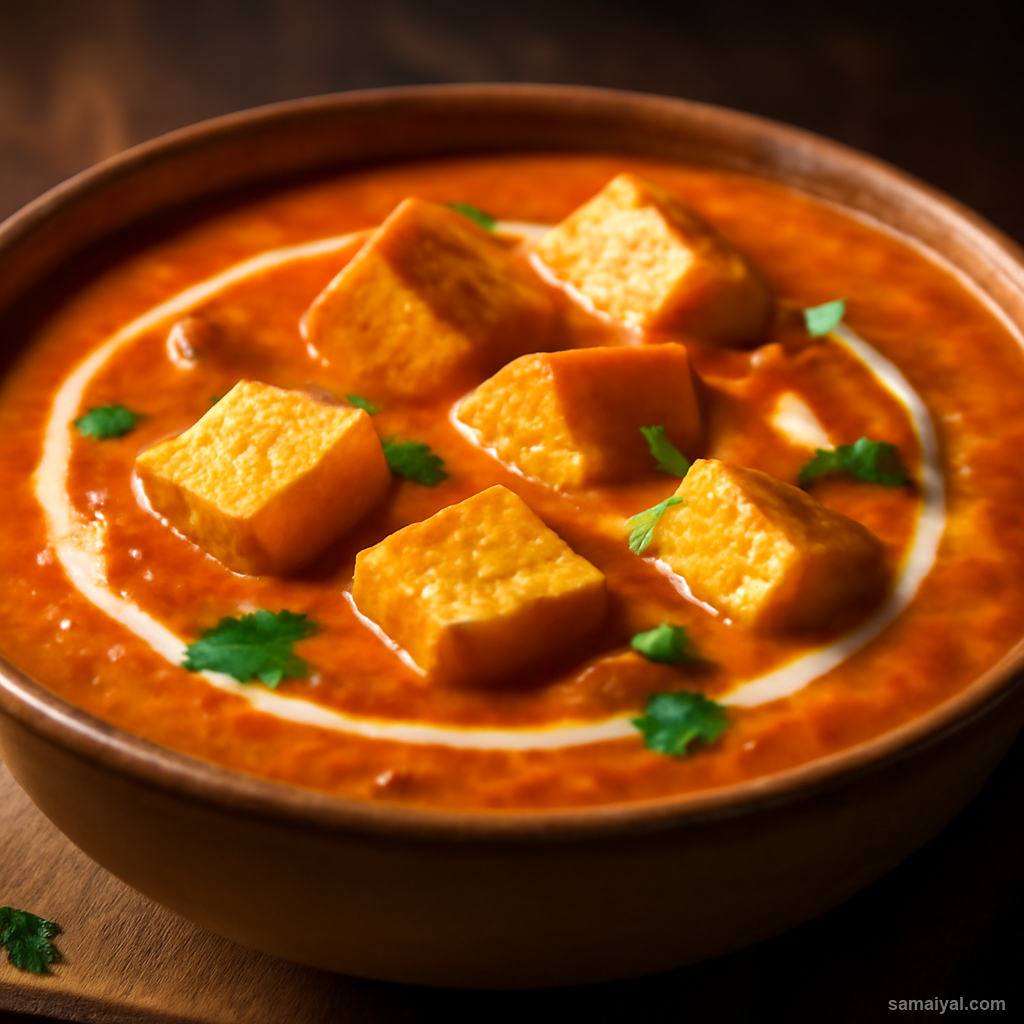
Butter Paneer Masala
Creamy tomato-based curry with soft paneer cubes — the all-time favourite of Indian...
River fish cooked with bamboo shoots and ginger in a light broth — a quick Arunachali everyday fish
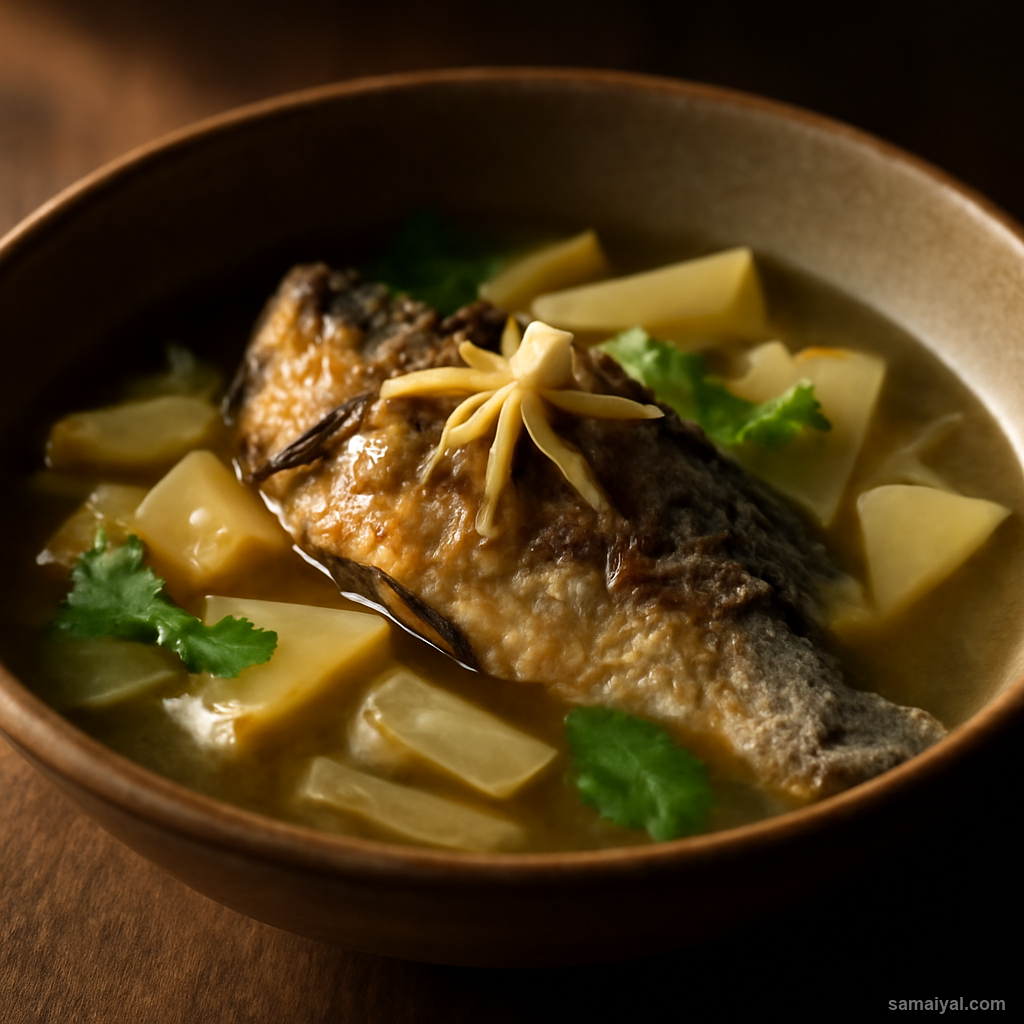
About River Fish Bamboo Ginger: This is the everyday quick fish curry of communities living along the Siang and Subansiri rivers in Arunachal Pradesh — particularly the Adi and Galo peoples. The combination of fresh-caught river fish with bamboo shoots from the surrounding forests demonstrates the foraging-and-fishing rhythm that defines highland Northeast Indian cooking. The light broth lets each ingredient's natural character come through.
Choose your fish: Use 500g of any firm freshwater fish — rohu, mahseer, catla, mrigal, or any local river fish if you live near rivers. Tilapia steaks work well as a widely available substitute. The fish should look fresh — clear bright eyes (in whole fish), pink-red gills, firm flesh that springs back when pressed.
Cut into pieces: If using a whole fish, cut into 4-5cm steaks across the body. If using fillets, cut into 4cm cubes. Keep the bones in for whole fish — they add flavour and Arunachali eaters expect them.
Marinate the fish: Place the fish pieces in a wide bowl. Add 1 tsp turmeric powder and 1 tsp salt. Massage the marinade into every piece. Let marinate for 10-15 minutes at room temperature. Marination removes any fishy edge and seasons the flesh.
Prepare the bamboo shoots: Use 150g of bamboo shoots. If fresh, peel away the tough outer layers to reach the tender inner core, then slice thinly into 2-3mm rounds. Bring a pot of water to a rolling boil with 1/2 tsp salt and blanch the shoots for 5 minutes — this removes any bitter compounds. Drain and rinse under cold water.
If using canned bamboo shoots: Drain and rinse thoroughly. Canned shoots are pre-cooked and milder, so blanching is not needed. Slice thinly if not already pre-sliced.
Prepare the ginger: Take a 2-inch piece of fresh ginger. Peel and julienne — cut into thin matchstick-style strips, about 3cm long and 1mm wide. The generous ginger is essential to this dish; do not skimp.
Prepare the garlic: Take 3 garlic cloves. Crush, peel and mince finely.
Prepare the green chillies: Take 2 fresh green chillies. Slit lengthwise. Slice into thin rounds.
Prepare the spring onions: Take 2 spring onions (scallions). Wash and slice into thin rounds. Set aside for finishing — they go in last.
Use a wide pan: Use a wide kadhai or heavy frying pan. The fish needs space to fry in a single layer — crowded fish steams instead of searing.
Heat the mustard oil correctly: Pour 2 tbsp mustard oil into the pan over medium-high heat. Heat for 1-2 minutes until smoking heavily — this is essential for fish dishes. Mustard oil and river fish are an iconic Northeast combination, but raw mustard oil tastes bitter; smoking it first transforms the flavour.
Fry the ginger and garlic: Reduce heat to medium. Add the julienned ginger and minced garlic. Stir constantly for 1 minute. The ginger and garlic should turn lightly golden and fill the kitchen with their aroma. Do not let them go dark.
Add the fish: Carefully place the marinated fish pieces into the pan. The pan will hiss as the fish hits the hot masala. Spread the pieces in a single layer.
The critical first sear: Cook for 4 minutes on the first side without disturbing — moving fish too soon strips the marinade and tears the flesh. The bottom should be lightly golden when ready to flip.
Flip carefully: Use a flat spatula to slide under each piece and flip. If a piece sticks, it is not ready — wait 30 more seconds. Cook the second side for another 4 minutes.
Add the bamboo shoots: Add the blanched bamboo shoots to the pan. Tuck them around and between the fish pieces.
Add water and chillies: Pour in 1 cup of hot water. Add the slit green chillies. The water should just cover about half the height of the fish — enough to create a thin gravy, not a soup.
Simmer to marry: Reduce heat to medium-low. Cover loosely. Simmer for 10 minutes, gently spooning the liquid over the fish 2-3 times during cooking. The bamboo shoots will absorb the fish flavour and the gravy will reduce slightly.
Check doneness: The fish should be fully cooked through — the flesh should be opaque white and easily flake with a fork. The bamboo shoots should be tender but still have a slight bite.
Final seasoning: Taste the gravy. The dish should taste mildly savoury, with the gentle ginger heat balancing the rich fish. Adjust salt — usually no more is needed since the fish was already salted.
Garnish: Switch off the heat. Sprinkle the sliced spring onions over the top. Some Arunachali homes also add 1 tbsp finely chopped fresh coriander.
Serve with rice: Serve hot over plain steamed rice — the most traditional pairing. The thin gravy is meant to be poured over rice, soaking into the grains. The combination of clean fish, slightly crunchy bamboo and aromatic broth is simple and satisfying.
A cultural note: This dish represents an entirely different fish-cooking tradition from the rest of India. Where most regions use complex masalas and rich gravies, the Arunachali approach is minimalist — fewer ingredients, gentler cooking, letting the natural fresh flavours speak. It is a tradition worth preserving in a world increasingly dominated by heavy seasoning.
Leftover storage: Stored in the fridge in an airtight container, this dish keeps for 1 day. Reheat very gently on the stovetop — over-reheated fish goes rubbery. Best eaten the day it is made.
⭐ Featured
Creamy tomato-based curry with soft paneer cubes — the all-time favourite of Indian...
 ⭐ Featured
Velvety spinach curry with golden-fried paneer — nutritious, vibrant and absolutely delicious.

Bold, tangy chickpea curry packed with spices — a street food staple that works as a main dish.

Dry-spiced potatoes and cauliflower — simple, aromatic, and endlessly satisfying.
Comments & Tips
Be the first to share your experience with this recipe!
Leave a Comment