 ⭐ Featured
Aloo Paratha
Stuffed whole-wheat flatbread with spiced potato filling — the quintessential Punjabi...
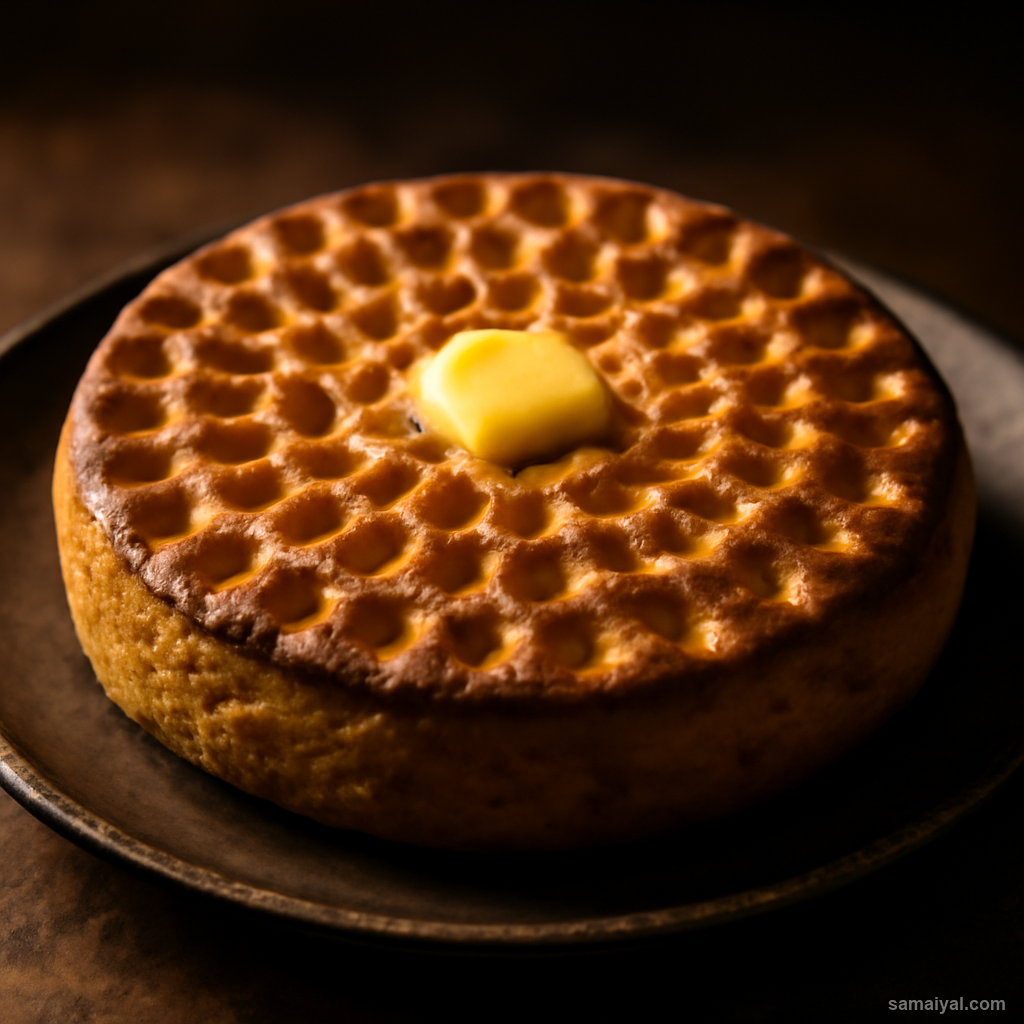
A thick wheat bread decorated with small thumb impressions on the surface, cooked slowly on a griddle — a special festive bread of Rajasthan particularly from the Marwari community. The thumb impressions are not just decorative but create texture that holds butter and ghee.
Make a softer dough than usual: Combine wheat flour, ghee and salt. Mix ghee into flour. Add water gradually — the dough should be noticeably softer than regular roti dough, almost like a soft bread dough. Knead 7 minutes until very smooth. Rest 20 minutes.
Divide into larger balls: Divide into 4 to 5 larger portions than for regular roti.
Roll into a thick disc: Roll each portion into a thick round — about 15 cm wide and 8 to 10 mm thick. Khoba roti is substantially thicker than ordinary roti.
Create the thumb impressions: Using your thumb tip, press firmly into the surface of the rolled disc all over — create regular impressions spaced about 2 cm apart across the entire surface. The impressions should be about 5 mm deep. This is what gives khoba roti its distinctive appearance.
Heat the griddle on medium-low: Khoba roti is cooked on lower heat than regular roti because of its thickness — it needs to cook through slowly without burning.
Place on griddle: Place the thumb-impressed roti on the warm griddle.
Cook first side slowly: Cook on medium-low heat for 4 to 5 minutes until golden. The thick bread takes significantly longer than regular roti.
Flip and cook second side: Flip. Cook 4 to 5 minutes on the second side.
Finish over direct flame: Using tongs, hold directly over a medium flame for 10 seconds per side to develop char spots and the characteristic smoky flavour.
Apply ghee generously into the impressions: Apply a generous amount of ghee — it pools in the thumb impressions rather than running off, making every bite buttery. Serve with any chutney or dal.
Note: Khoba Roti (khoba = hole or impression in Marwari dialect) is a festive bread of the Marwari and Rajasthani communities — made for special mornings, weddings and festival occasions. The thumb-pressed impressions serve a functional purpose — they hold the generous application of ghee that is central to Rajasthani bread eating. The bread is sometimes made even thicker and cooked more slowly, approaching the thickness of a small loaf.
⭐ Featured
Stuffed whole-wheat flatbread with spiced potato filling — the quintessential Punjabi...
 ⭐ Featured
Thin crispy rice-lentil crepe filled with spiced potato masala — the iconic South...
 ⭐ Featured
Steamed fermented rice cakes served with tangy lentil vegetable soup — South India's...

Crispy ring-shaped lentil fritters with fluffy interior — a South Indian must-have with sambar.
Comments & Tips
Be the first to share your experience with this recipe!
Leave a Comment