 ⭐ Featured
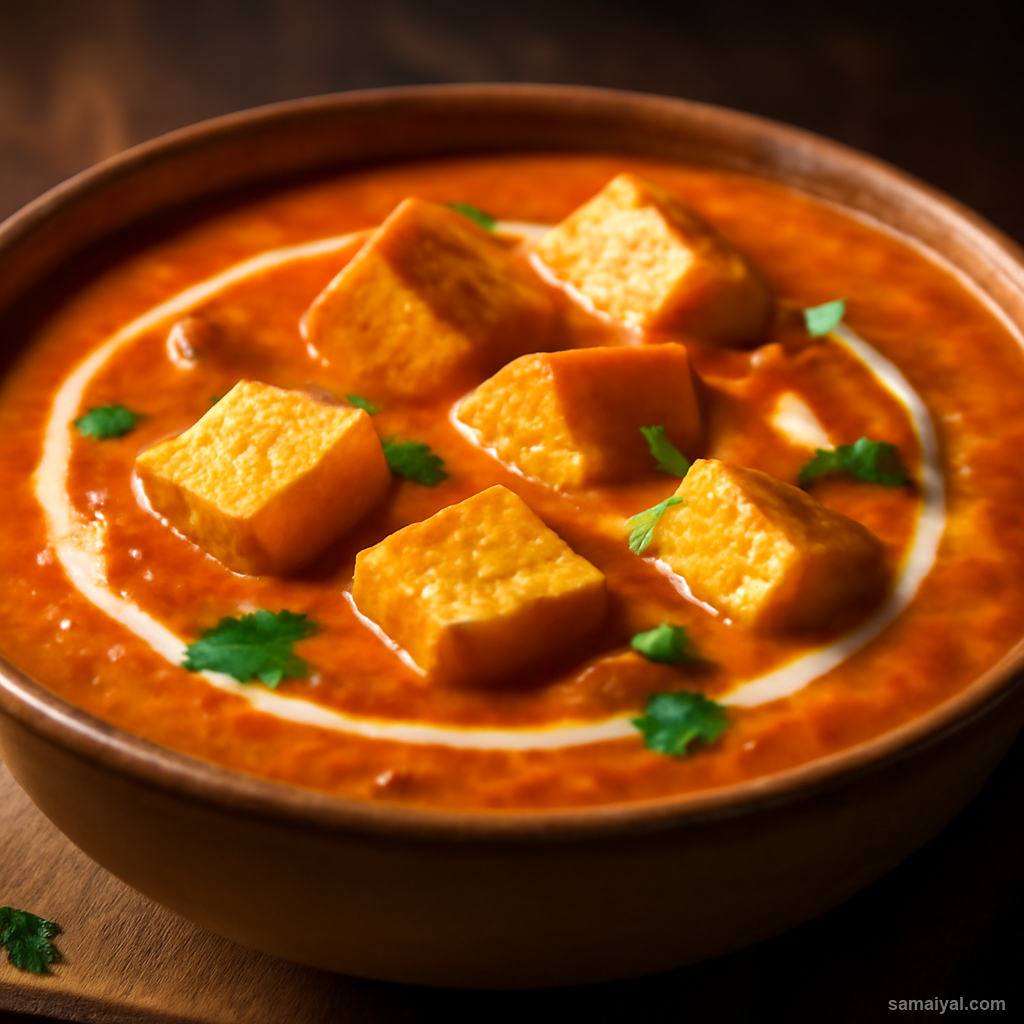
Butter Paneer Masala
Creamy tomato-based curry with soft paneer cubes — the all-time favourite of Indian...
Cleaned pork intestine with turmeric and chilli — tribal offal cooking at its most direct

About Pork Intestine Fry Arunachal: Pork intestine is eaten widely across Arunachal Pradesh — "waste nothing" tradition that uses every part of the animal. Across Apatani, Adi, Galo, and Nyishi communities, intestine is a beloved ingredient — particularly when properly cleaned and stir-fried with bold spices. Reflects highland Arunachali wisdom: every part of slaughtered animals is used.
IMPORTANT cleanliness: Pork intestines require extremely thorough cleaning before cooking. Improper cleaning produces unpalatable dishes with potential food safety issues. WEAR GLOVES throughout cleaning. Properly cleaned intestines are mild-flavoured and pleasantly chewy.
Gather ingredients: 500g pork intestines (preferably small intestines; available at Asian markets, Northeast Indian groceries, or specialty butchers; substitute with 500g pork stomach for similar treatment), 1 large onion thinly sliced, 5 garlic cloves minced, 1.5-inch fresh ginger grated, 4 tbsp neutral cooking oil, 1 tsp turmeric powder, 1 tsp red chilli powder (or 2 green chillies slit, or 1/2 raja mircha for extreme heat — gloves required), 1 tsp salt, 2 spring onions sliced into thin rounds for finishing, fresh coriander to garnish, optional 2 tbsp soy sauce, optional 1 tbsp pehak fermented soybean.
The critical cleaning protocol: Place intestines in a wide bowl. Cover with cold water and 1 tbsp salt. Let soak for 30 minutes. Drain and rinse multiple times under cold running water. Use clean fingers to push water through the intestine tubes — this physically rinses the inside. Continue rinsing until water runs clear. Repeat the salt-water soak (15 minutes) and rinse cycle once more if any odour persists. Properly cleaned intestines smell mild and look uniformly pale pink-cream.
The critical pre-boil: Place cleaned intestines in a large pot with plenty of fresh water. Bring to a boil over high heat. Boil hard for 15-20 minutes — this further cleans and partially cooks the intestines. Skim and discard any scum. Drain and discard the cooking water.
Cool and slice: Cool the boiled intestines for 5 minutes. Slice into 2cm pieces. Pat dry with kitchen paper if very wet.
Fry the aromatics: Use a heavy-bottomed pan or wok. Pour 4 tbsp oil over high heat. Heat 30 seconds until very hot. Add sliced onion and minced garlic. Stir-fry on high heat for 3 minutes — onion should be soft and just golden.
Add intestines and brown: Add the sliced intestines to the very hot pan. Spread in a single layer. Sear hard for 5 minutes WITHOUT stirring — intestines develop deep golden-brown surfaces with appealing caramelised character.
Stir and continue cooking: After 5 minutes of sear, stir the intestines. Continue cooking for 4-5 more minutes — intestines should now be browned on multiple sides, slightly crisp on edges, with rendered fat visible.
Add spices and ginger: Sprinkle in 1 tsp turmeric and 1 tsp red chilli powder (or add slit green chillies). Add the grated ginger and 1 tsp salt. Stir for 1-2 minutes — spices bloom and integrate.
Add umami additions and final hard-fry: If using, add 2 tbsp soy sauce for additional umami depth. If using, add 1 tbsp pehak fermented soybean. Cook on high heat for 2-3 more minutes, tossing every 30 seconds, until the intestines are deeply browned, the seasonings are fully integrated, and the dish has the characteristic dry stir-fried character (no liquid in pan).
Garnish and serve: Switch off heat. Sprinkle sliced spring onions and 2 tbsp finely chopped fresh coriander over the top. Serve hot with plain steamed rice or marua finger millet roti (recipe id 1108). The intestines pair beautifully with substantial side dishes — pair with bamboo shoot curry (1104), galho rice porridge (1107), or smoked pork (1113) for an elaborate spread.
For those new to offal and traditional eating: The texture can be different from typical meat — slightly more chewy. Most people who try properly prepared pork intestines come to value its unique character. Tribal feasts use every part of the animal — the "waste nothing" tradition reflects deep respect for the animal and resource conservation.
Variations: For more pungent version, add 1/2 raja mircha (ghost chilli, gloves required). For different aromatic, add 1 tbsp finely chopped fresh wild herbs. For more substantial dish, add 100g cubed potato — produces a stew-like version.
A cultural and nutritional note: The pork intestine tradition reflects Arunachali tribal "whole animal" eating. As modern Arunachali eating shifts toward processed meat cuts, traditional offal eating declines; cooks who maintain offal preparation are valuable cultural keepers. Pork intestines provide exceptional protein, B vitamins, iron, and certain minerals (selenium, zinc) at higher levels than muscle meat. Modern nutritionists recommend including offal in regular eating.
Leftover storage: Stored in fridge in an airtight container, intestine stir-fry keeps for 2-3 days. Reheat gently on the stovetop. Best within 2 days for peak texture.
⭐ Featured
Creamy tomato-based curry with soft paneer cubes — the all-time favourite of Indian...
 ⭐ Featured
Velvety spinach curry with golden-fried paneer — nutritious, vibrant and absolutely delicious.

Bold, tangy chickpea curry packed with spices — a street food staple that works as a main dish.

Dry-spiced potatoes and cauliflower — simple, aromatic, and endlessly satisfying.
Comments & Tips
Be the first to share your experience with this recipe!
Leave a Comment